

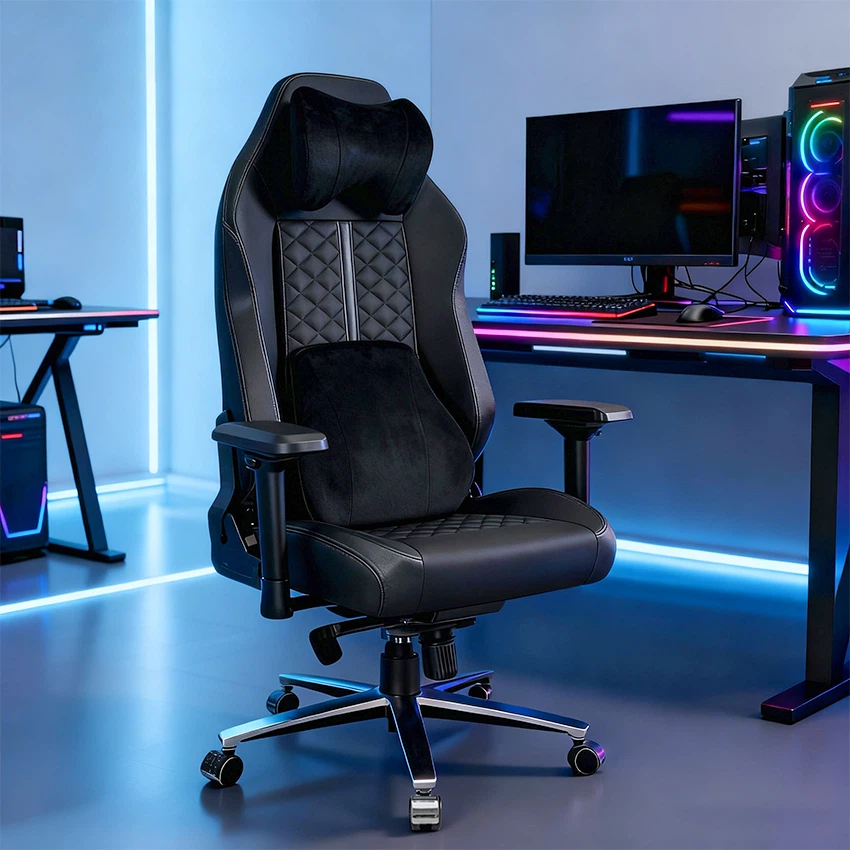

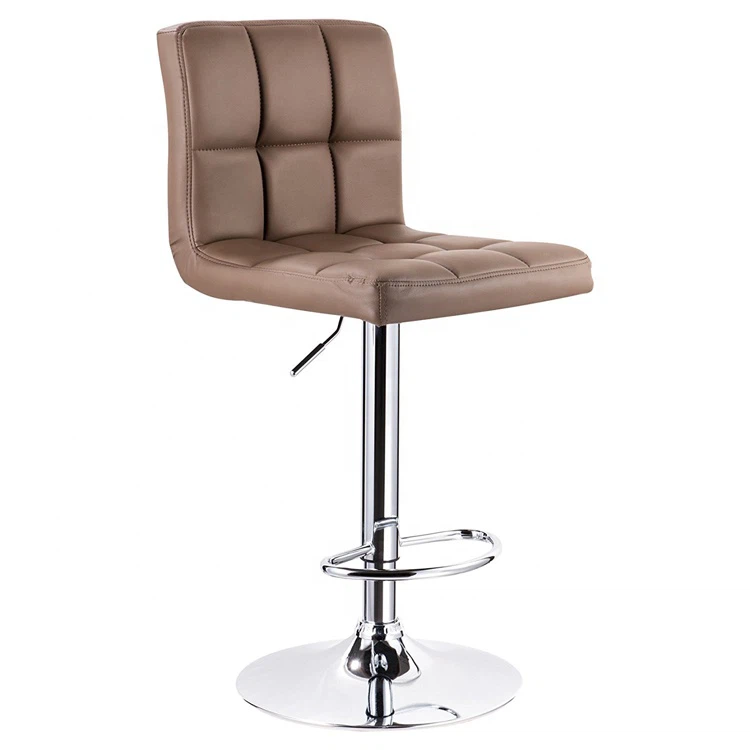


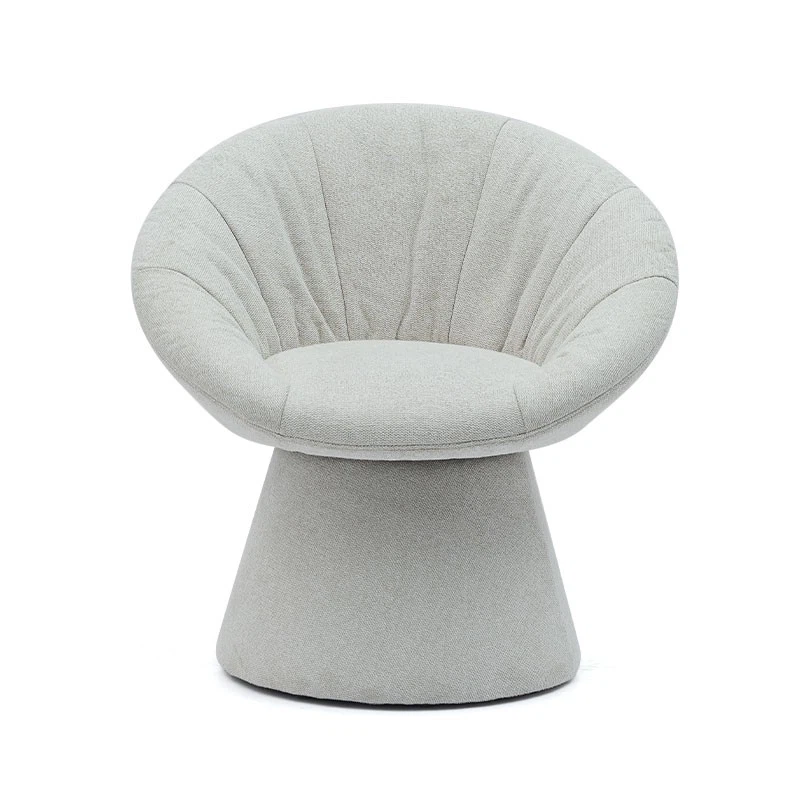
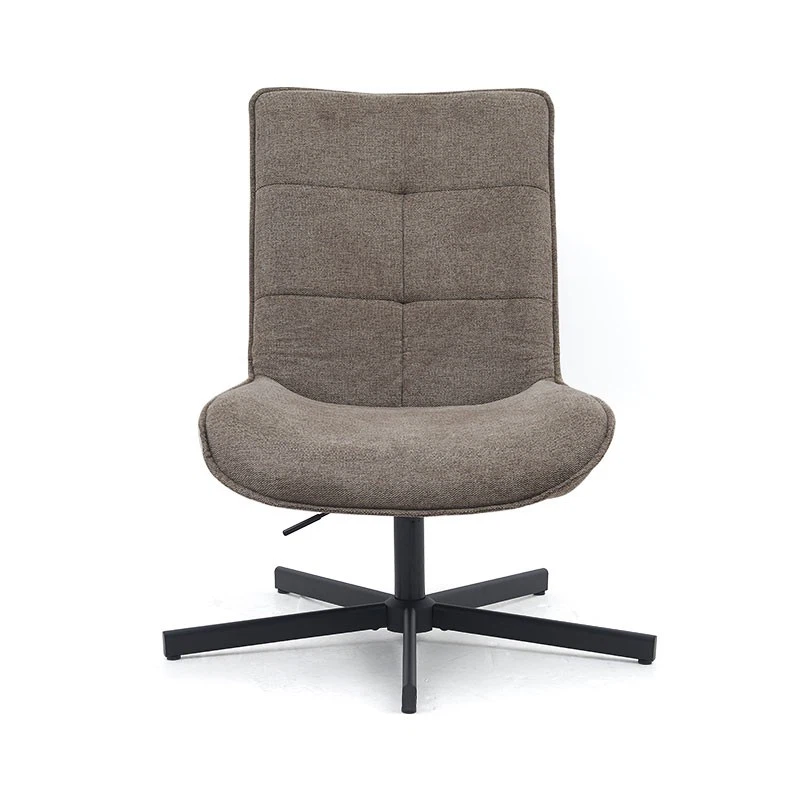




Hey there! As an office chair supplier, I know how crucial it is to have a stable office chair. A wobbly or unstable chair not only affects your comfort but also your productivity and safety. In this blog post, I'm gonna share with you some practical ways to test the stability of an office chair.
1. Visual Inspection
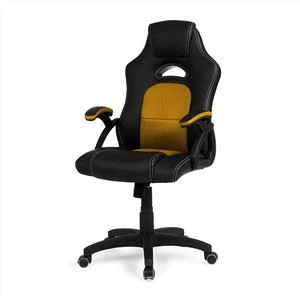
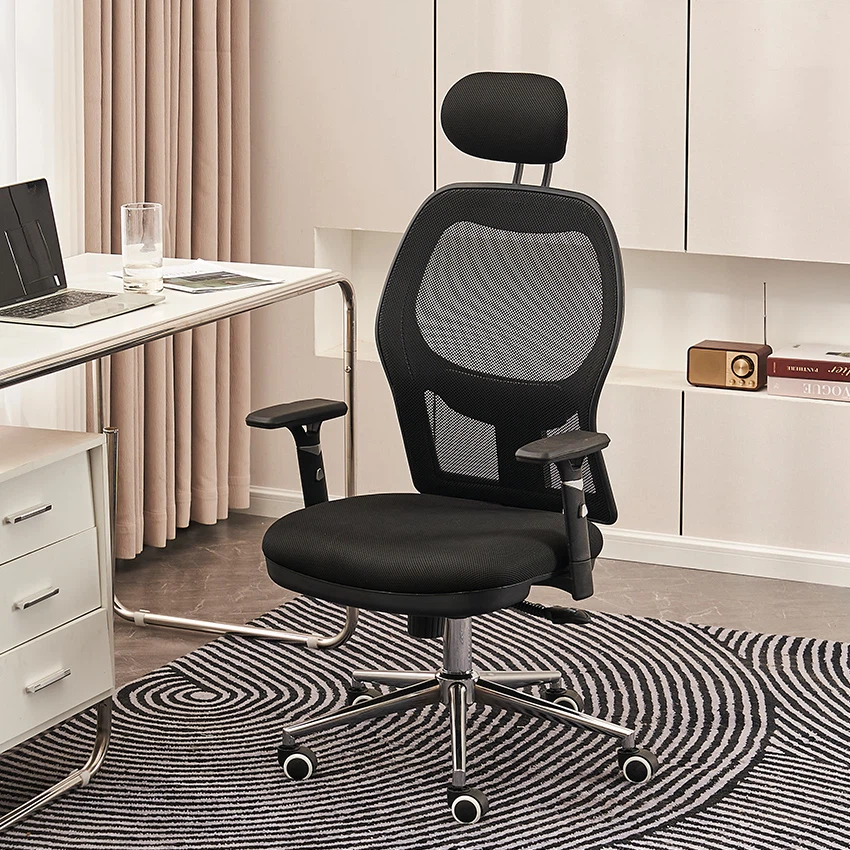
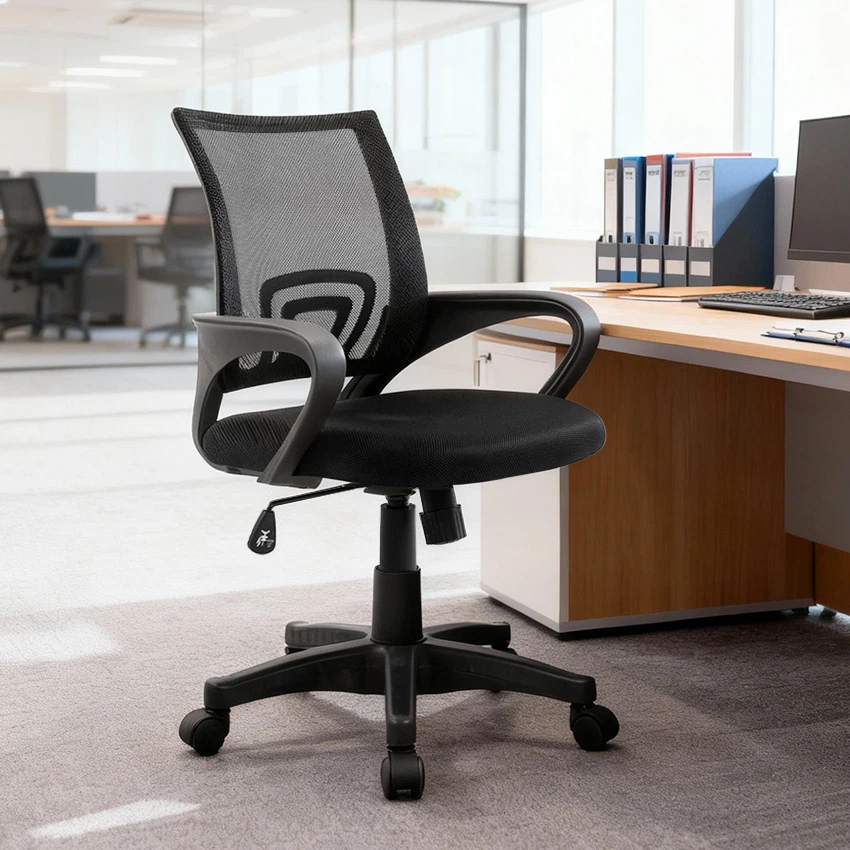
First things first, take a good look at the chair. Start by checking the base. A stable office chair usually has a wide and sturdy base. Most modern office chairs come with a five - prong base, which provides better balance compared to a four - prong one. Look for any signs of damage, like cracks or bent parts on the base. If you spot any, that's a red flag as it can compromise the chair's stability.
Next, examine the legs of the chair. They should be evenly spaced and straight. Uneven legs can cause the chair to tilt to one side. Also, check the casters. Make sure they're firmly attached and can roll smoothly. If a caster is loose or doesn't roll well, it can make the chair unstable when you move around.
2. Weight Capacity Test
Every office chair has a recommended weight capacity. It's important to test if the chair can handle the weight it's supposed to. You can do a simple weight test by sitting on the chair. If you're around the average weight for the chair's recommended capacity, just sit normally and shift your weight gently from side to side and forward and backward. The chair should remain stable without any signs of tipping or excessive wobbling.


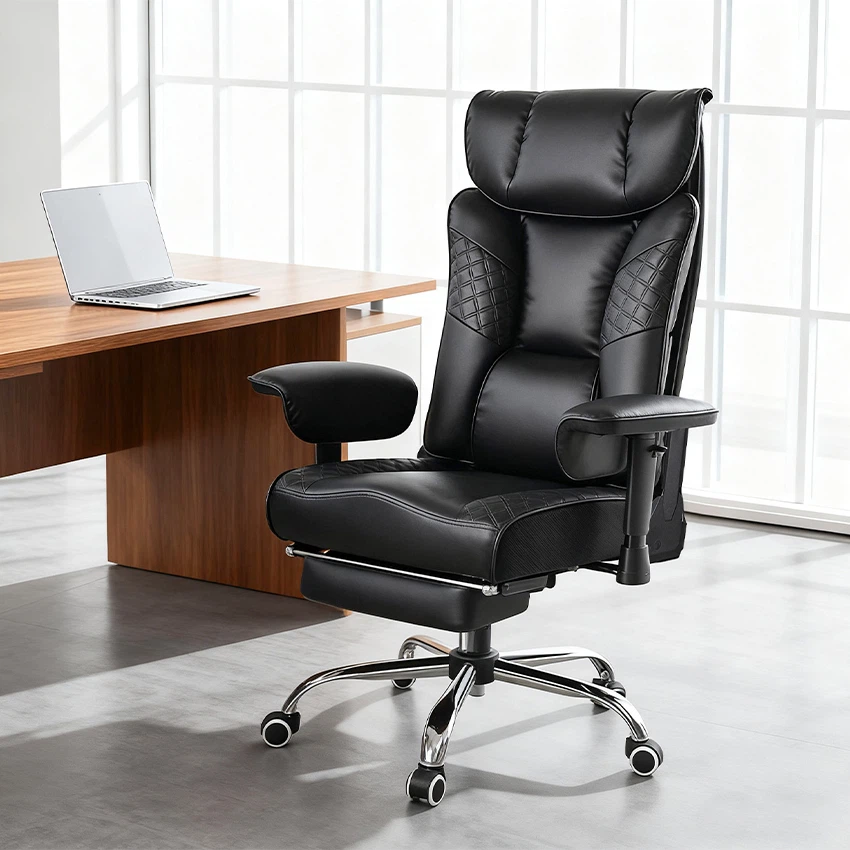
If you want a more accurate test, you can use weights. Place some weights on the seat of the chair up to its maximum recommended weight capacity. Make sure the weights are evenly distributed. Observe the chair for a few minutes. If it starts to lean or the base shows signs of stress, then the chair might not be as stable as it should be. For example, our Y - 2825 High quality wholesale office chair manager chair PU leather chair has a decent weight capacity, and you can easily perform this test to ensure its stability.
3. Rocking and Swiveling Test
Most office chairs allow you to rock back and forth and swivel. These features are great for adding flexibility, but they also need to be stable. When you sit on the chair, try rocking back and forth. The chair should have a smooth and controlled rocking motion. If it rocks too easily or feels like it's about to tip over, that's a problem.
For the swiveling test, turn the chair in a full circle. It should rotate smoothly without getting stuck or causing the chair to wobble excessively. A good swivel mechanism is essential for a stable office chair. Our Y - 1855 modern fashionable black PU chair/cheap office chair has a reliable swivel and rocking feature that you can test to see its stability in action.
4. Backrest and Armrest Test
The backrest and armrests also play a role in the chair's stability. Start with the backrest. Lean back on it with normal pressure. The backrest should support your back firmly without bending or tilting the chair too much. If the backrest feels flimsy or causes the chair to tip backward easily, it's not stable.
As for the armrests, try applying some pressure on them. Push down and pull up gently. The armrests should stay firmly in place. Loose or wobbly armrests can not only be annoying but also affect the overall stability of the chair. Our Y - 2890 New style high back leather office chair/ manager chair/ swivel chair has well - designed backrests and armrests that contribute to its stability.
5. Long - Term Usage Test
Sometimes, a chair might seem stable at first, but its stability can deteriorate over time. If possible, test the chair over a longer period. Use it for a few days or weeks in a normal office setting. Pay attention to any changes in its stability. Does it start to wobble more as you use it? Do the casters become less smooth?
During this long - term test, you can also observe how the chair responds to different sitting postures and movements. For example, if you frequently lean forward to reach for something on your desk, the chair should remain stable. If you notice any issues during this test, it's a sign that the chair might not be as stable as you thought.
Why Stability Matters
You might be wondering why stability is such a big deal. Well, a stable office chair is essential for your safety. An unstable chair can tip over, causing you to fall and potentially get injured. It also affects your comfort. If you're constantly worried about the chair tipping or wobbling, you won't be able to relax and focus on your work.
Moreover, a stable chair can last longer. When a chair is stable, the components are less likely to wear out quickly. This means you won't have to replace the chair as often, which can save you money in the long run.
Conclusion
Testing the stability of an office chair is not that complicated. By performing these simple tests, you can ensure that you're getting a high - quality and stable chair. At our company, we take pride in offering a wide range of office chairs, like the ones I've mentioned above, that are designed with stability in mind.
If you're in the market for office chairs and want to ensure you're getting the best, don't hesitate to contact us for a purchase and negotiation. We're always happy to help you find the perfect chair for your needs.
References
- Ergonomics in the Workplace: Office Chairs. Occupational Safety and Health Administration.
- Furniture Testing Standards. American Society for Testing and Materials.