






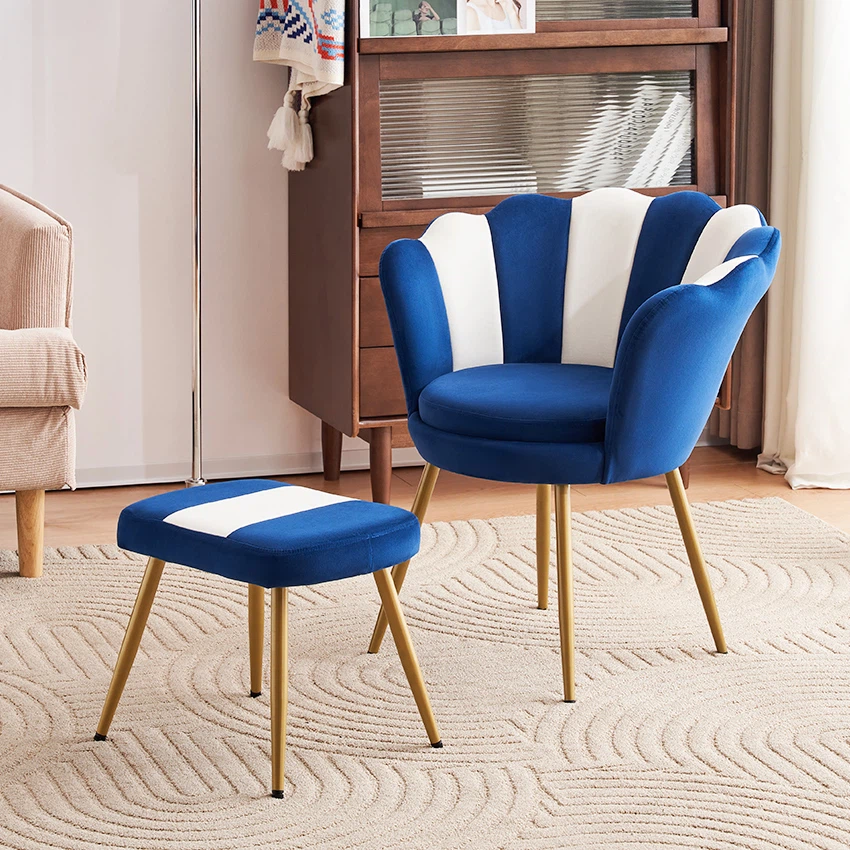
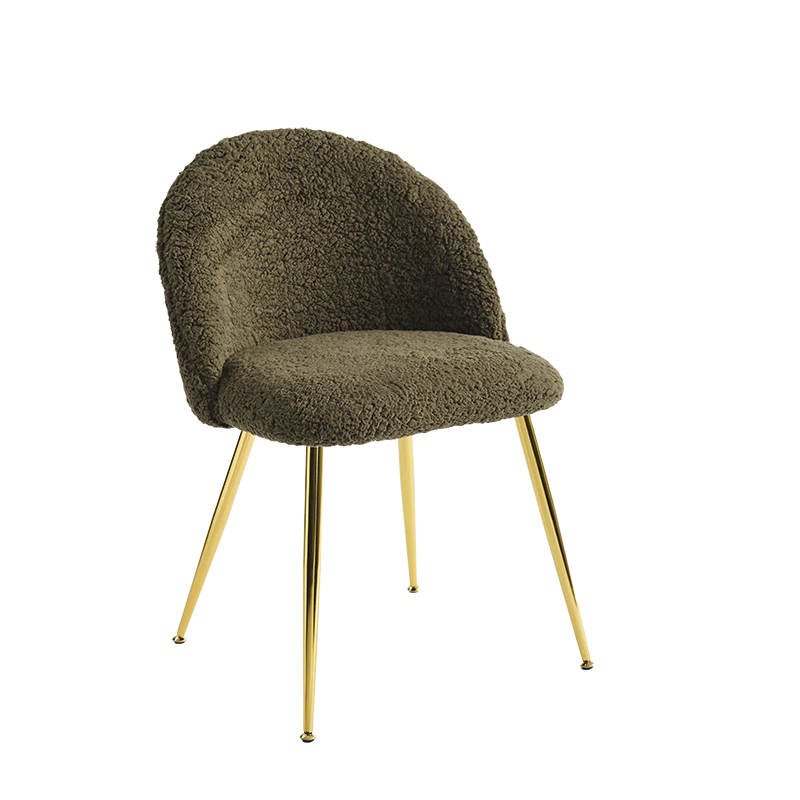

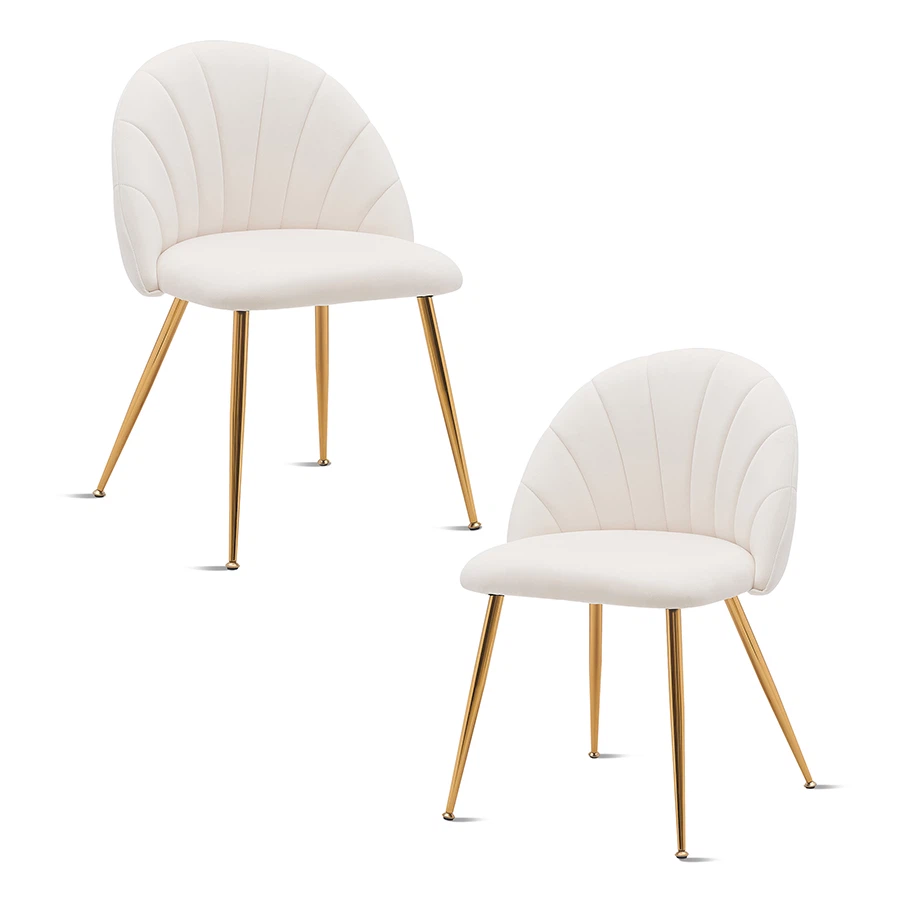
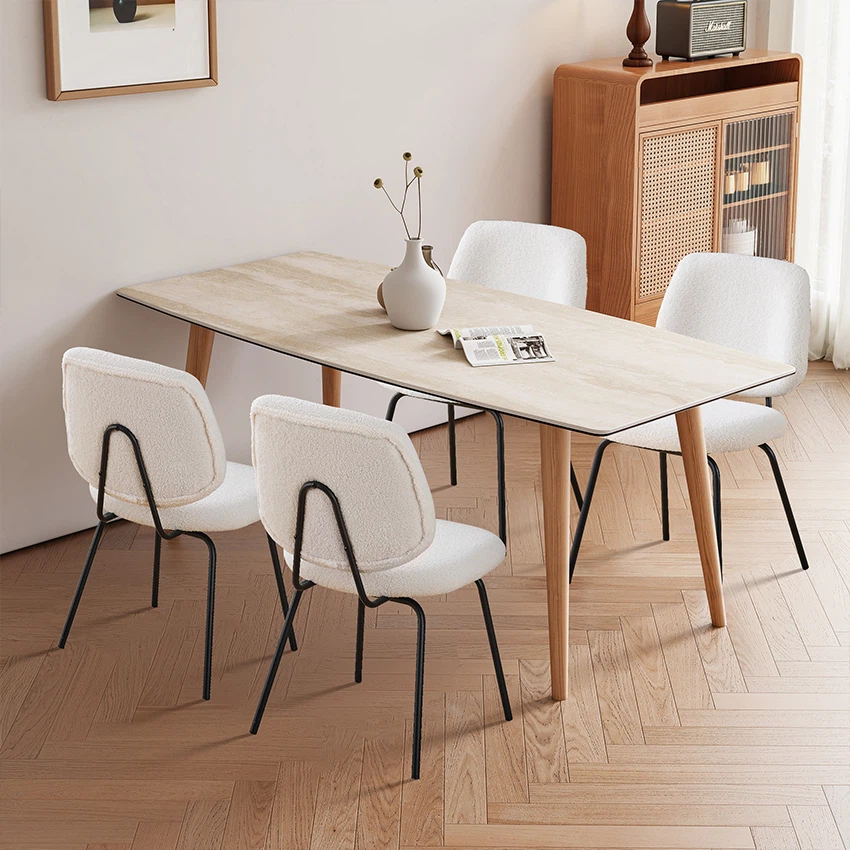



Selecting the right size of office furniture is a crucial decision that can significantly impact the functionality, comfort, and aesthetics of your workspace. As an experienced office furniture supplier, I understand the challenges and considerations involved in this process. In this blog post, I will share some valuable insights and practical tips to help you make informed choices when it comes to choosing the appropriate size of office furniture for your needs.
Understanding Your Space
The first step in selecting the right size of office furniture is to thoroughly understand the dimensions and layout of your office space. Measure the length, width, and height of the room, taking into account any architectural features, such as columns, windows, or doors, that may affect the placement of furniture. Consider the traffic flow within the space and ensure that there is enough room for employees to move freely without feeling cramped.
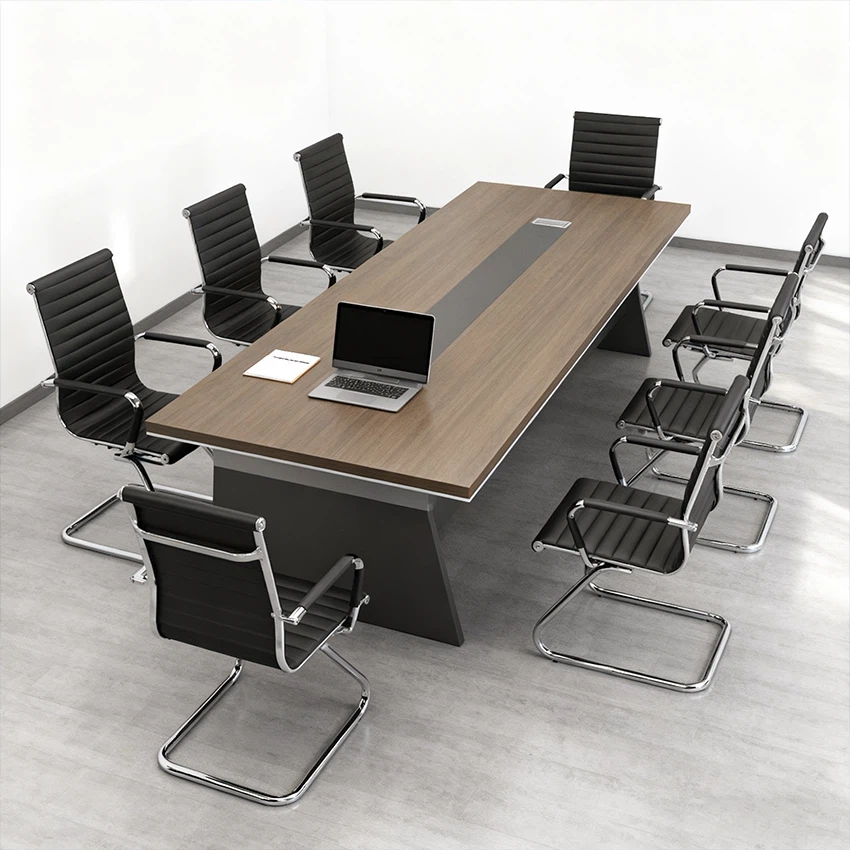
It's also important to think about the purpose of the room and how the furniture will be used. For example, a conference room will require larger tables and chairs to accommodate a group of people, while a private office may need a smaller desk and chair for individual use. By understanding the specific requirements of each area, you can choose furniture that fits the space and meets the needs of your employees.
Choosing the Right Desk Size
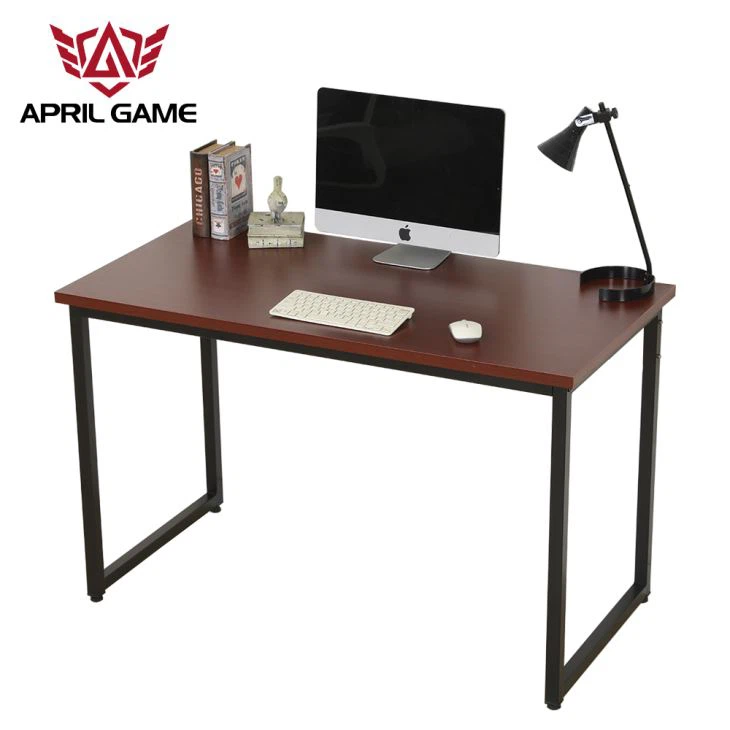
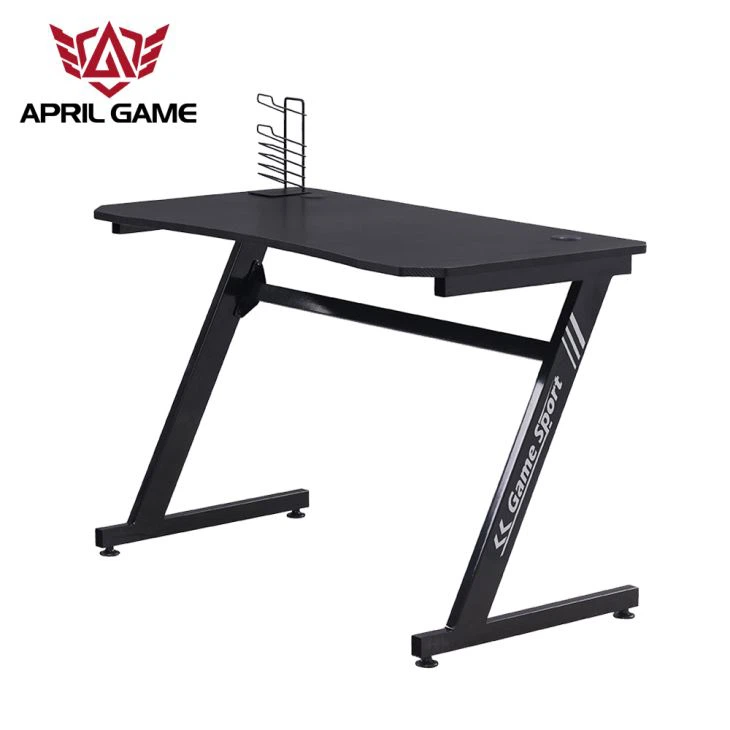
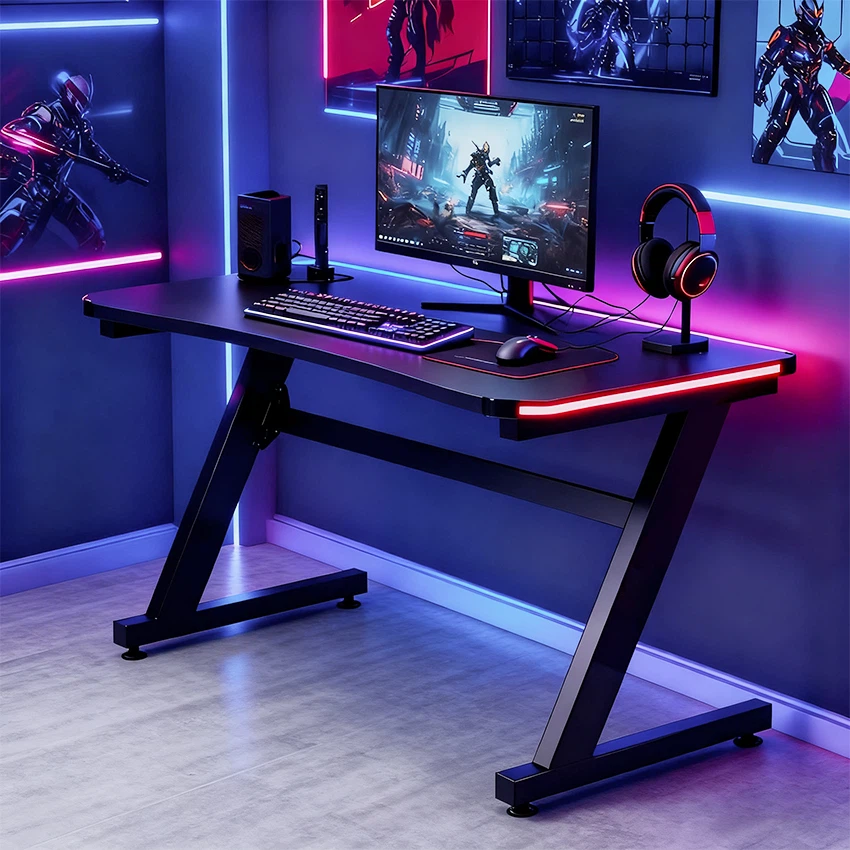
Desks are the centerpiece of any office, and choosing the right size is essential for productivity and comfort. When selecting a desk, consider the amount of work surface you need to accommodate your computer, paperwork, and other essentials. A standard office desk typically measures between 48 and 72 inches in width and 24 to 36 inches in depth. However, if you have a lot of equipment or need extra space for collaboration, you may want to consider a larger desk.


In addition to the size of the work surface, you also need to think about the height of the desk. A desk that is too high or too low can cause discomfort and strain on your neck, shoulders, and back. The ideal desk height is between 28 and 30 inches, which allows for a comfortable sitting position with your feet flat on the floor and your elbows at a 90-degree angle.
Selecting the Right Chair Size
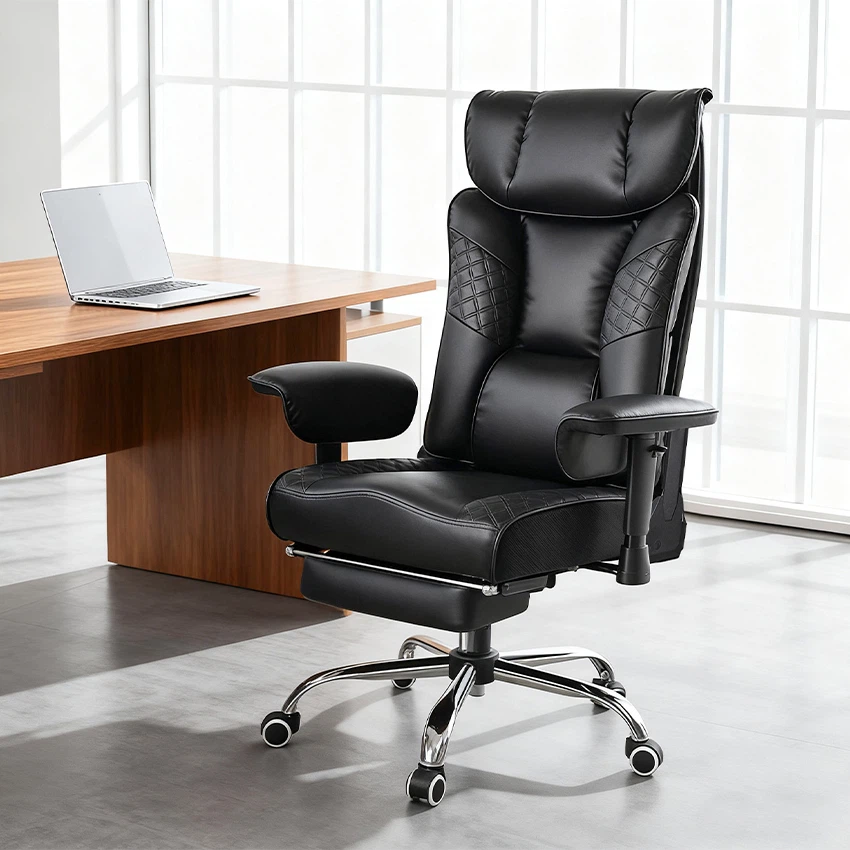
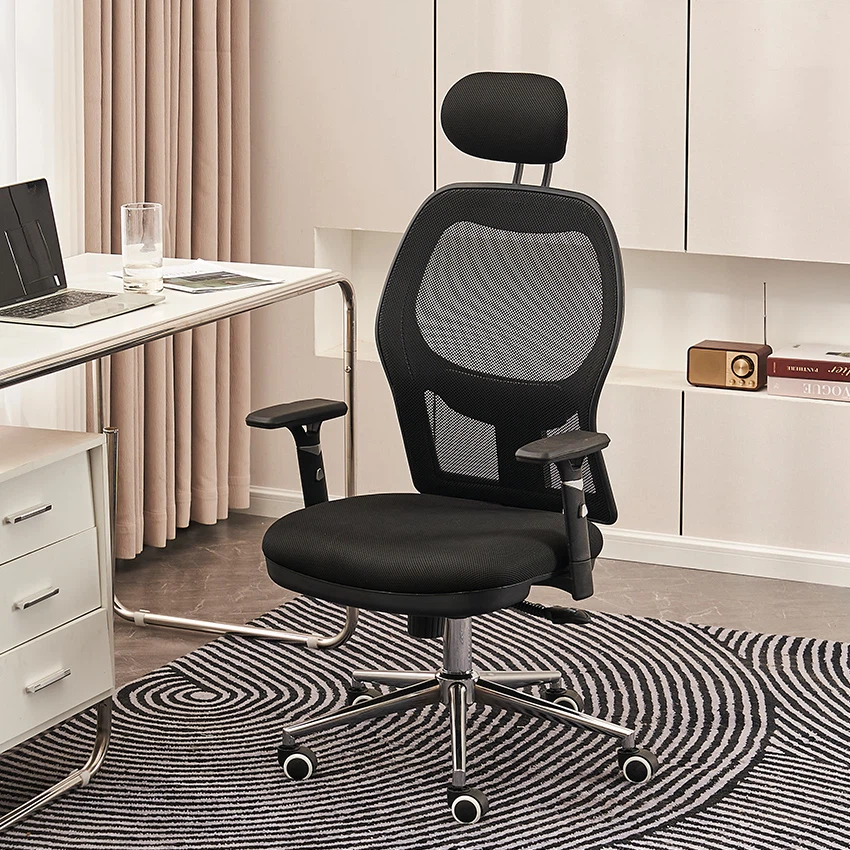
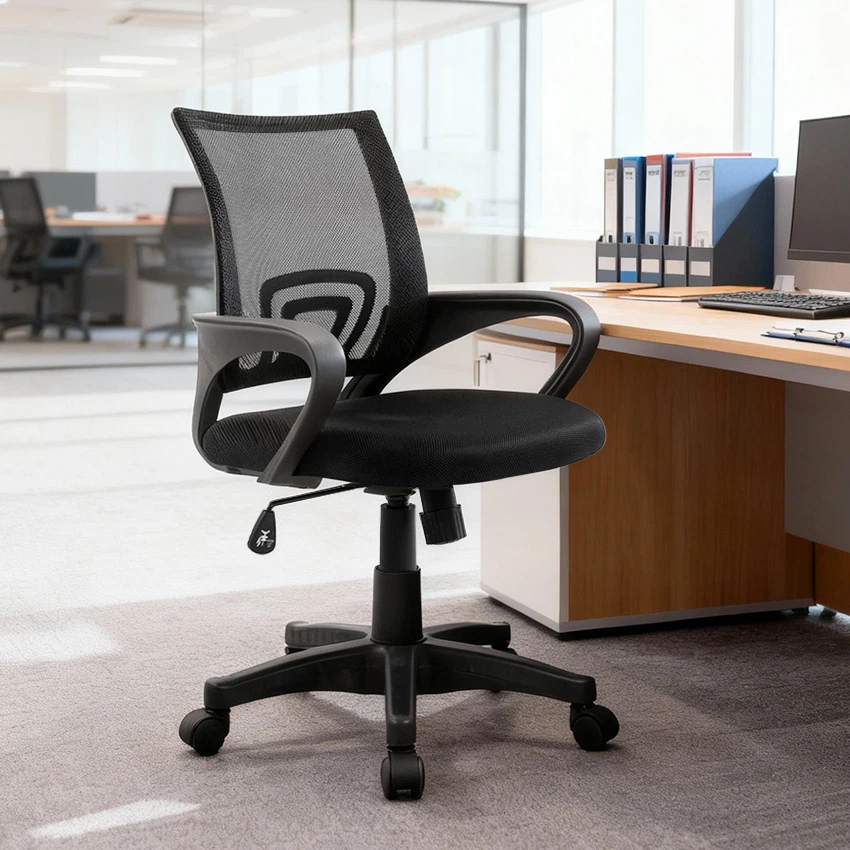
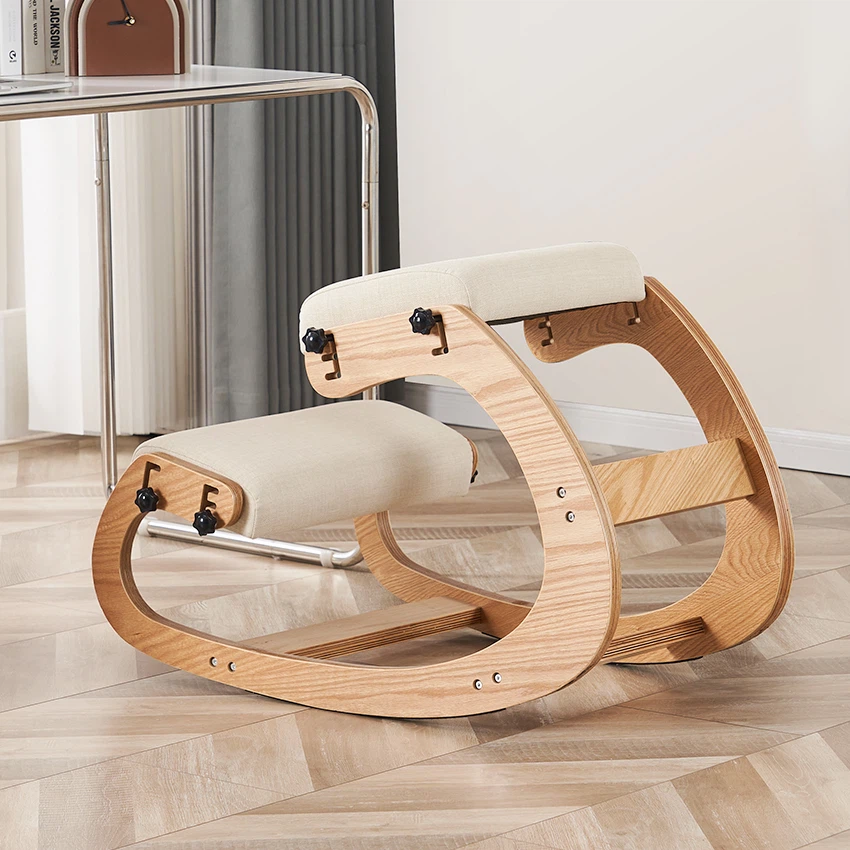
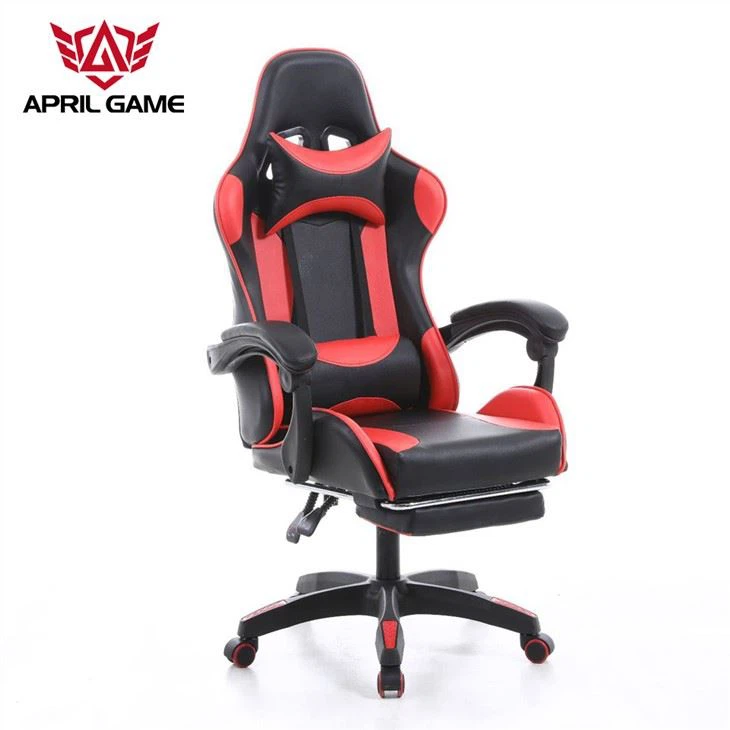
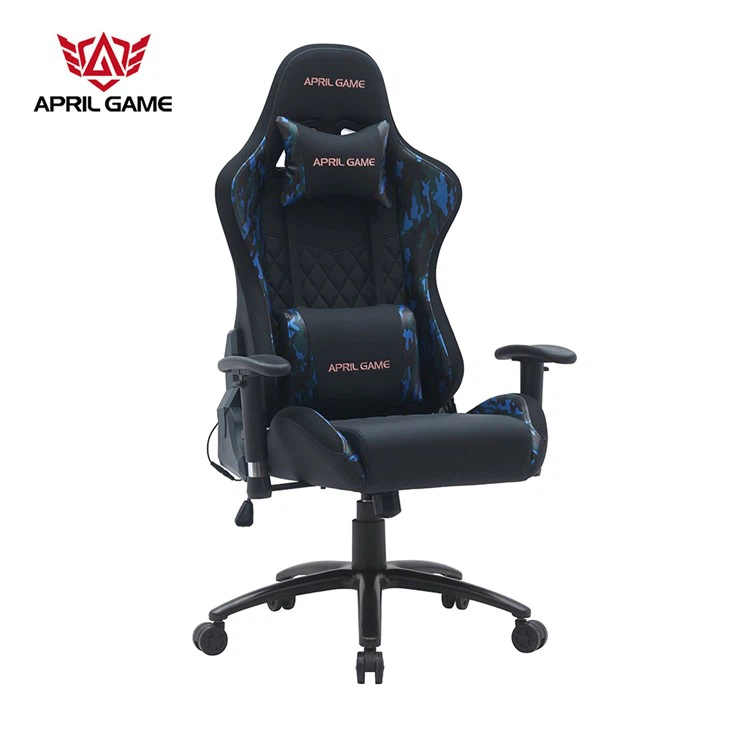
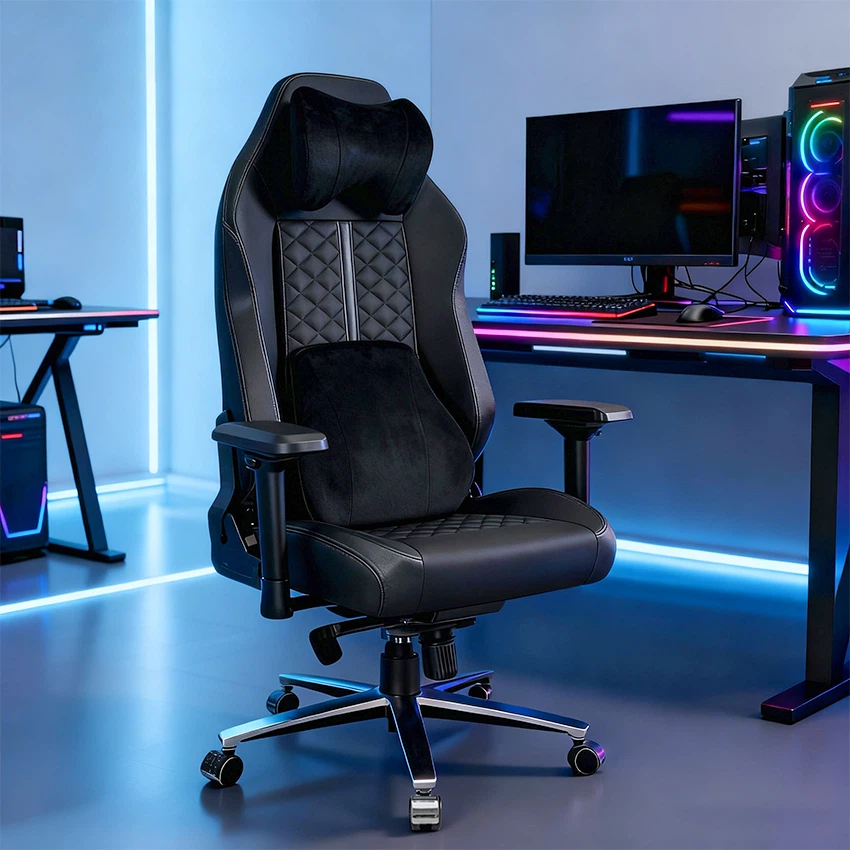
A comfortable chair is essential for long hours of sitting at a desk. When choosing a chair, consider the size and shape of your body, as well as the type of work you will be doing. A chair that is too small or too large can cause discomfort and pain, while a chair that is the right size will provide support and comfort.
The seat height of a chair should be adjustable, allowing you to position your feet flat on the floor and your knees at a 90-degree angle. The seat depth should be sufficient to support your thighs without putting pressure on the back of your knees. The backrest should be adjustable and provide support for your lower back.
Considering Storage Options
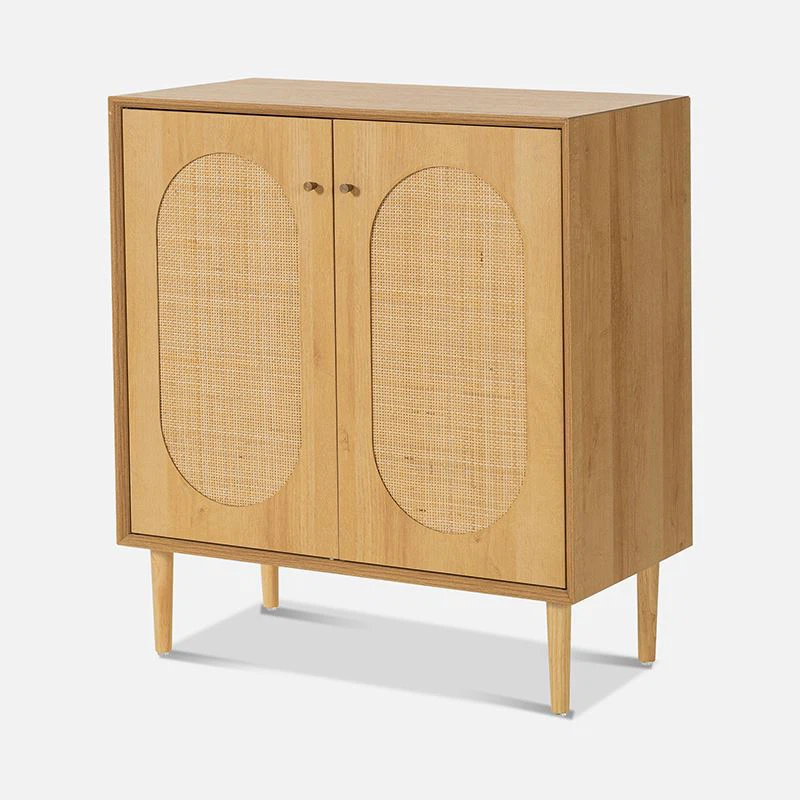
In addition to desks and chairs, you also need to consider storage options for your office. Filing cabinets, bookshelves, and storage cabinets are essential for keeping your workspace organized and clutter-free. When choosing storage furniture, consider the amount of storage space you need and the type of items you will be storing.
Filing cabinets come in a variety of sizes and styles, including vertical and lateral filing cabinets. Vertical filing cabinets are ideal for storing letter-sized documents, while lateral filing cabinets are better for storing legal-sized documents. Bookshelves and storage cabinets can be used to store books, files, supplies, and other items.
Matching Furniture to Your Office Style
In addition to functionality and comfort, you also need to consider the style of your office furniture. The furniture you choose should complement the overall design and decor of your office, creating a cohesive and professional look.
There are many different styles of office furniture to choose from, including traditional, modern, contemporary, and industrial. Traditional office furniture typically features classic designs and materials, such as wood and leather. Modern office furniture is characterized by clean lines and minimalist designs. Contemporary office furniture combines elements of traditional and modern styles, while industrial office furniture features raw materials and exposed hardware.
Recommended Office Furniture Products
As an office furniture supplier, I offer a wide range of high-quality furniture products to meet the needs of any office. Here are some of my recommended products:
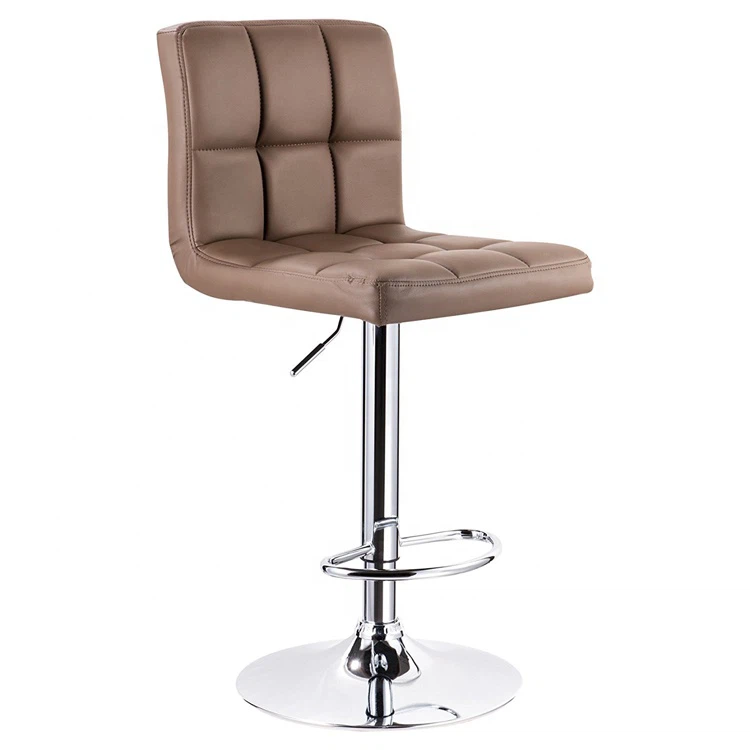
- Y-2738 Luxury Chrome Chairs PU Leather: These luxurious chairs feature a chrome frame and PU leather upholstery, providing both style and comfort.
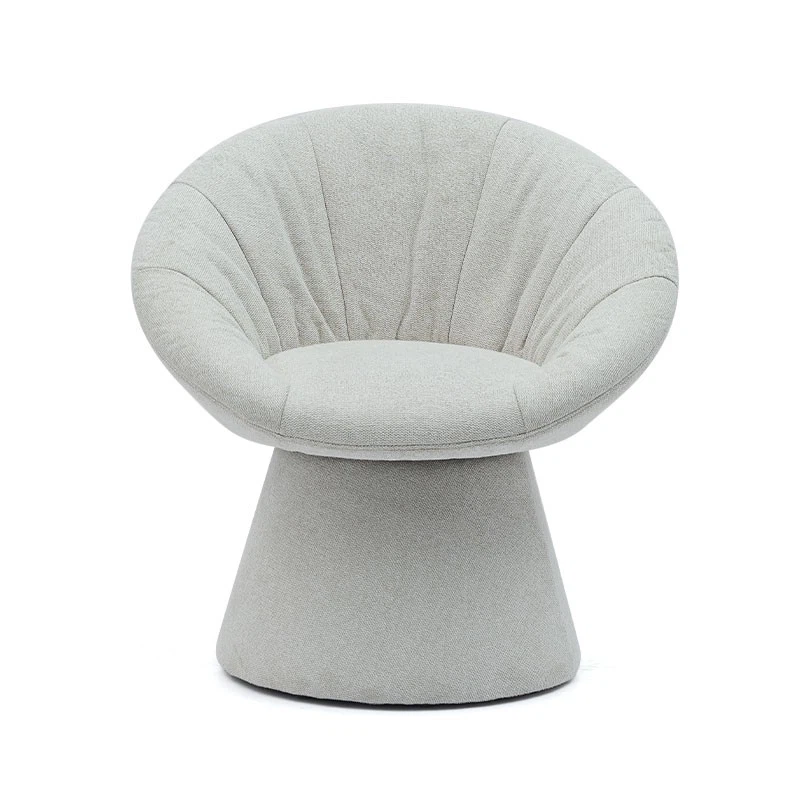
- Boucle Desk Chair Executive Task Chairs: These executive task chairs are made from high-quality boucle fabric, providing a soft and comfortable seating experience.
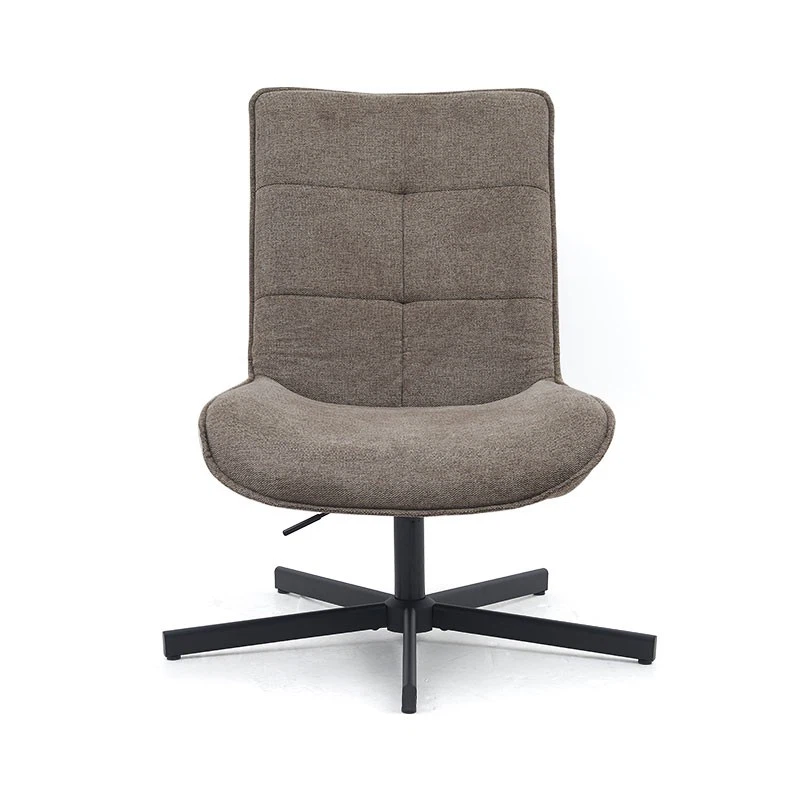
- GUYOU GY-1747B Multi-functional Swivel PU Executive Office Chair: This multi-functional swivel chair features a PU leather upholstery and adjustable height and tilt, providing maximum comfort and support.
Conclusion
Selecting the right size of office furniture is a critical decision that can have a significant impact on the functionality, comfort, and aesthetics of your workspace. By understanding your space, choosing the right desk and chair size, considering storage options, and matching furniture to your office style, you can create a productive and comfortable work environment for your employees.
If you have any questions or need further assistance in selecting the right office furniture for your needs, please don't hesitate to contact me. I would be happy to help you find the perfect furniture for your office.
References
- Ergonomics in the Workplace: A Guide for Employers and Employees. Occupational Safety and Health Administration (OSHA).
- Office Furniture Buying Guide. Consumer Reports.
- The Importance of Choosing the Right Office Furniture. Office Furniture World.


