









What are the popular colors for office furniture?
As an office furniture supplier, I've witnessed firsthand how color choices can transform a workspace. The right colors not only enhance the aesthetic appeal of an office but also impact the mood and productivity of employees. In this blog post, I'll delve into the popular colors for office furniture and how they can be used to create a functional and stylish office environment.
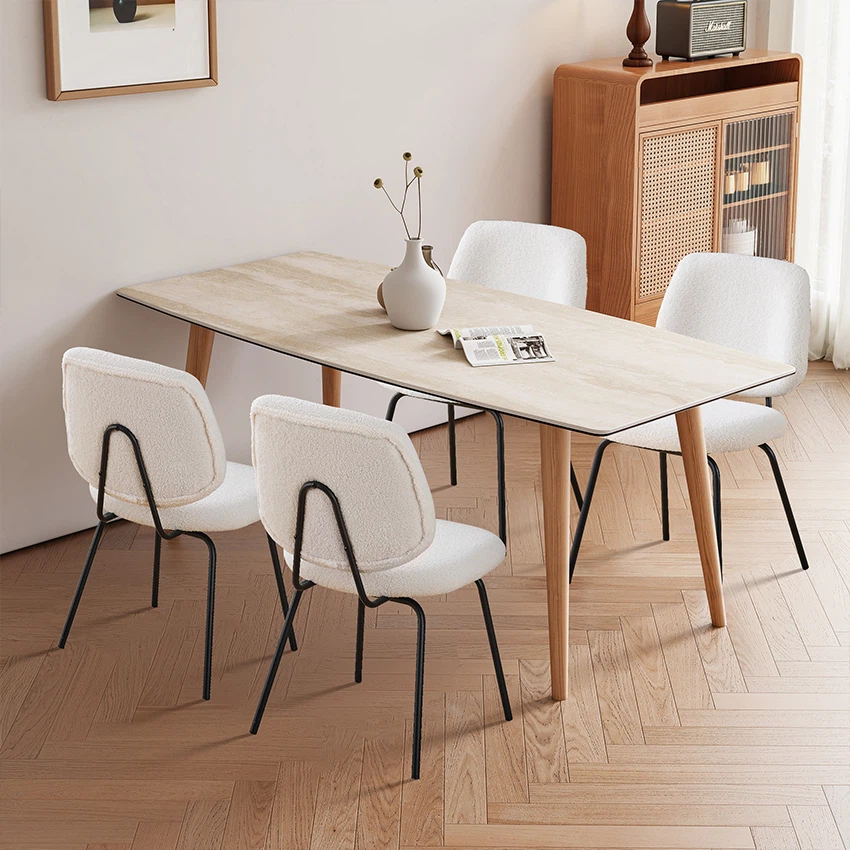
Neutral Colors: Timeless Elegance
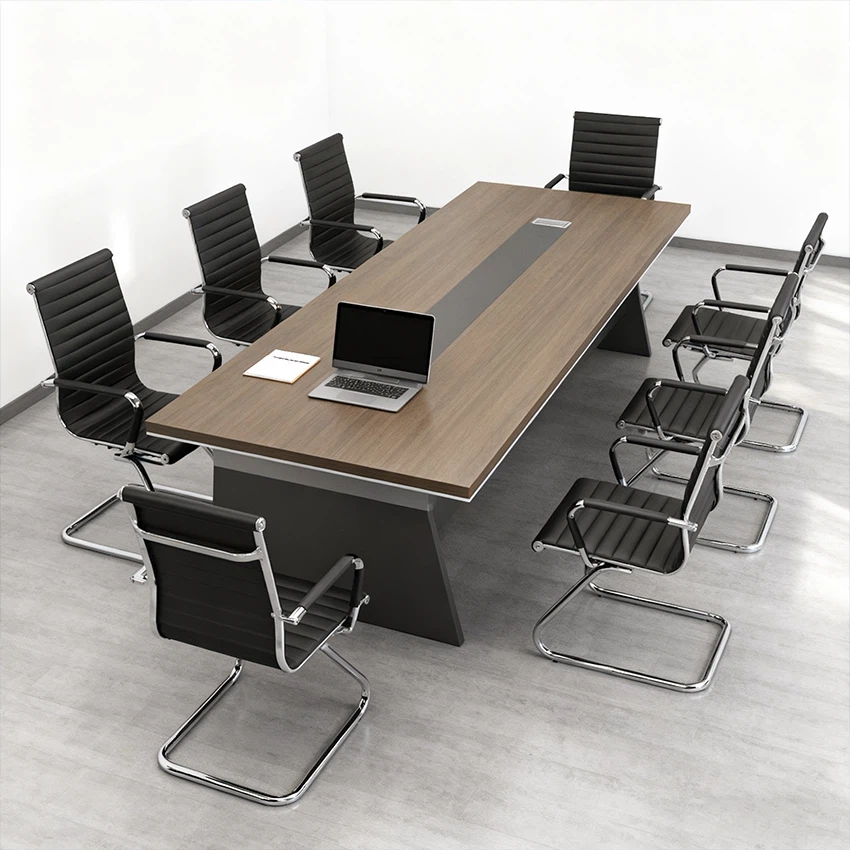
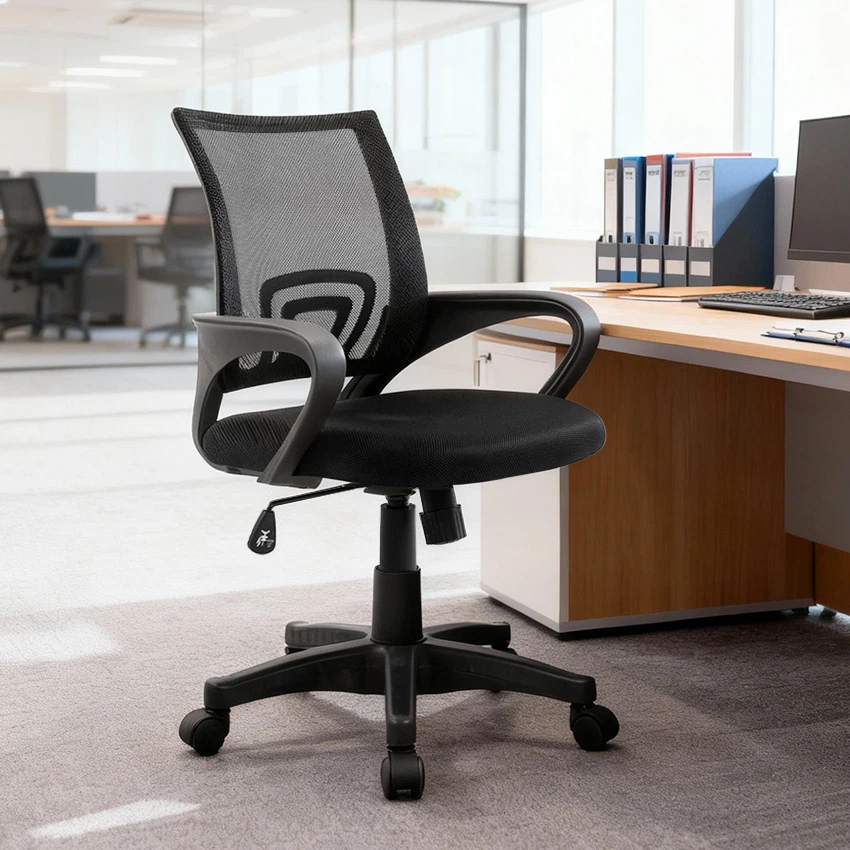
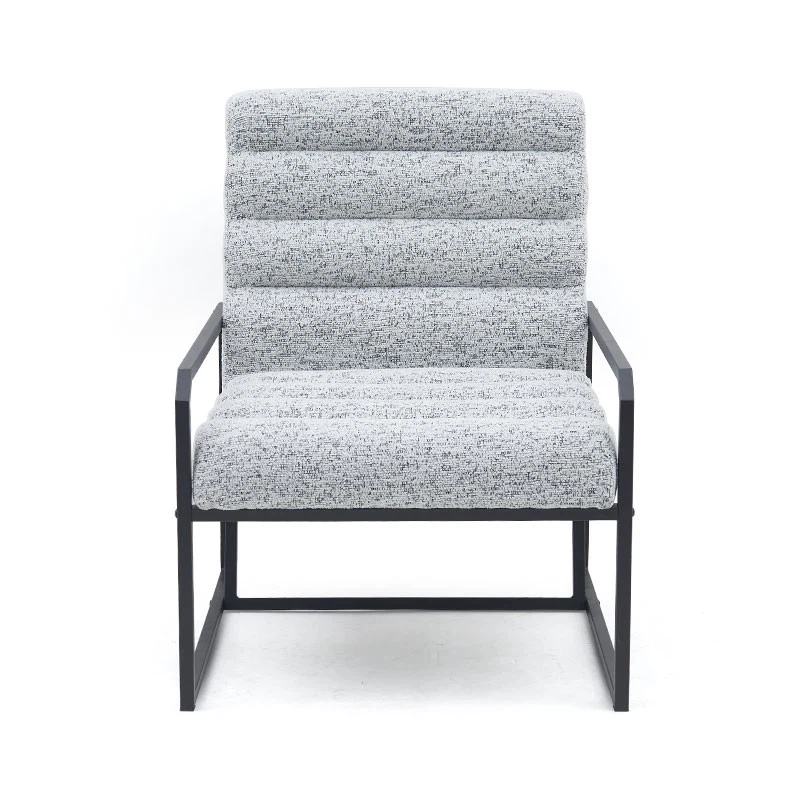
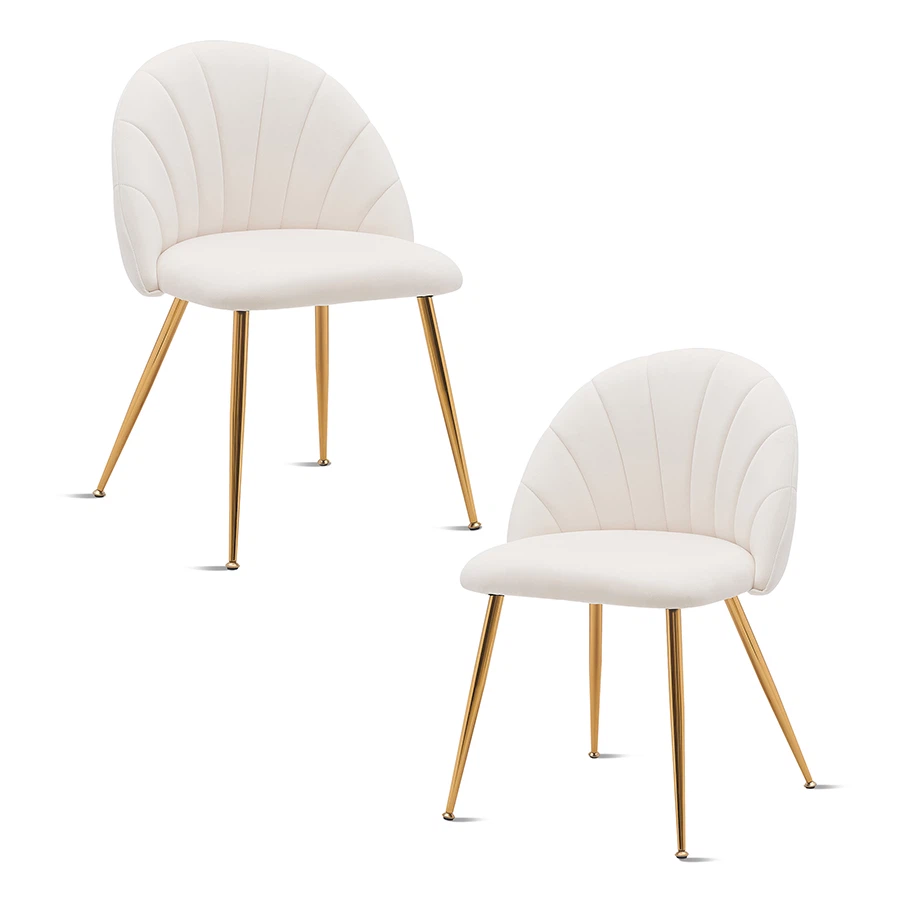
Neutral colors such as white, black, gray, and beige are perennially popular in office furniture. These colors are versatile and can easily blend with any existing decor, making them a safe choice for businesses of all types. White, for example, exudes a clean and modern look, while black adds a touch of sophistication and formality. Gray, on the other hand, is a neutral color that can range from light to dark, providing a subtle backdrop for other colors and accents.
One of the advantages of using neutral colors in office furniture is that they can create a calm and serene atmosphere, which is ideal for workspaces where concentration and focus are essential. Neutral colors also have the ability to make a room appear larger and more spacious, which can be particularly beneficial in smaller offices.
However, it's important to note that using too many neutral colors can result in a dull and uninspiring workspace. To add some visual interest, consider incorporating pops of color through accessories such as throw pillows, artwork, or plants.
Blue: The Color of Trust and Productivity
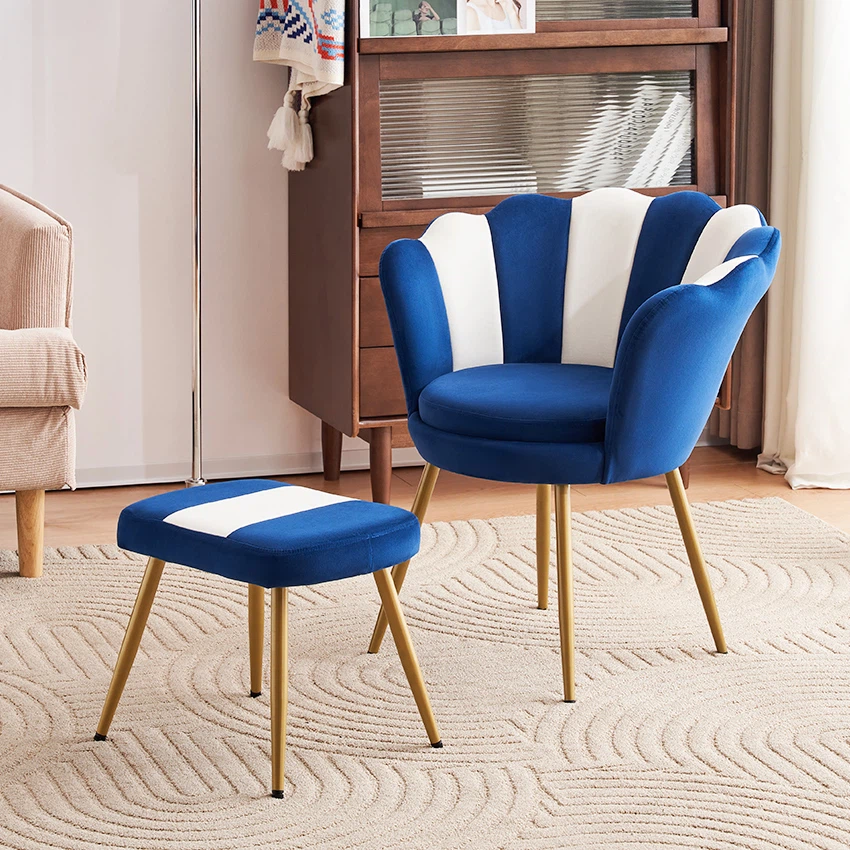
Blue is one of the most popular colors in office furniture, and for good reason. This color is often associated with trust, reliability, and productivity, making it a great choice for businesses in the finance, technology, and healthcare industries. Blue has also been shown to have a calming effect on the mind and body, which can help reduce stress and anxiety in the workplace.
There are many shades of blue to choose from, ranging from light and airy blues to deep and rich navy blues. Light blue is a popular choice for office walls and furniture, as it can create a bright and inviting atmosphere. Navy blue, on the other hand, is a more sophisticated and traditional color that is often used in executive offices and boardrooms.
In addition to its psychological benefits, blue is also a versatile color that can be paired with other colors to create different looks and styles. For example, blue pairs well with white, gray, and yellow, creating a classic and timeless color scheme.
Green: The Color of Nature and Well-being
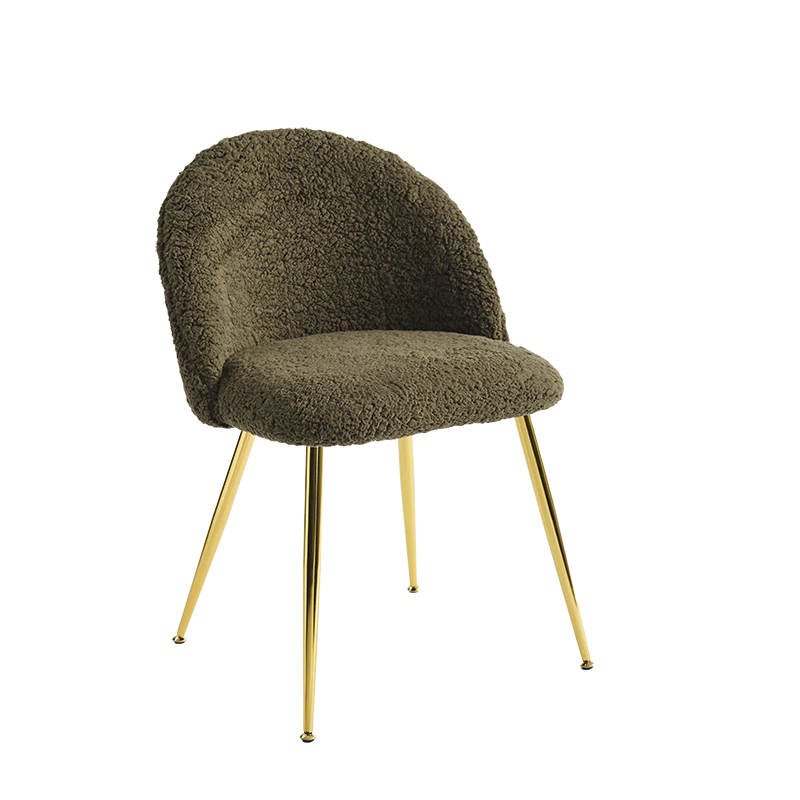
Green is another popular color in office furniture, as it is often associated with nature, growth, and well-being. This color has been shown to have a positive impact on mental health and productivity, as it can help reduce stress and improve concentration. Green is also a great choice for offices that are located in urban areas, as it can bring a touch of nature indoors.
There are many shades of green to choose from, ranging from light and pastel greens to deep and rich forest greens. Light green is a popular choice for office walls and furniture, as it can create a fresh and inviting atmosphere. Forest green, on the other hand, is a more sophisticated and traditional color that is often used in executive offices and boardrooms.
In addition to its psychological benefits, green is also a versatile color that can be paired with other colors to create different looks and styles. For example, green pairs well with white, beige, and brown, creating a natural and earthy color scheme.
Yellow: The Color of Energy and Creativity
Yellow is a bright and cheerful color that is often associated with energy, creativity, and optimism. This color can help stimulate the mind and increase productivity, making it a great choice for offices where innovation and creativity are encouraged. Yellow is also a great choice for offices that need to stand out from the crowd, as it is a bold and attention-grabbing color.
There are many shades of yellow to choose from, ranging from light and pastel yellows to deep and rich golden yellows. Light yellow is a popular choice for office walls and furniture, as it can create a bright and inviting atmosphere. Golden yellow, on the other hand, is a more sophisticated and traditional color that is often used in executive offices and boardrooms.
In addition to its psychological benefits, yellow is also a versatile color that can be paired with other colors to create different looks and styles. For example, yellow pairs well with blue, gray, and black, creating a modern and contemporary color scheme.
Red: The Color of Passion and Excitement
Red is a bold and passionate color that is often associated with energy, excitement, and urgency. This color can help stimulate the mind and increase productivity, making it a great choice for offices where quick decision-making and action are required. Red is also a great choice for offices that need to stand out from the crowd, as it is a bold and attention-grabbing color.
However, it's important to note that using too much red in an office can be overwhelming and distracting. To avoid this, consider using red as an accent color, such as through throw pillows, artwork, or accessories.
Choosing the Right Colors for Your Office
When choosing the colors for your office furniture, it's important to consider the overall style and atmosphere of your workspace. Think about the type of business you run, the nature of your work, and the personality of your employees. You may also want to consider the size and layout of your office, as well as the amount of natural light it receives.
In addition to the psychological benefits of different colors, it's also important to consider the practical aspects of choosing office furniture. For example, if you have a lot of foot traffic in your office, you may want to choose furniture that is easy to clean and maintain. If you have a small office, you may want to choose furniture that is compact and space-saving.
Examples of Popular Office Furniture in Different Colors
As an office furniture supplier, we offer a wide range of furniture in different colors and styles. Here are some examples of our popular office furniture:
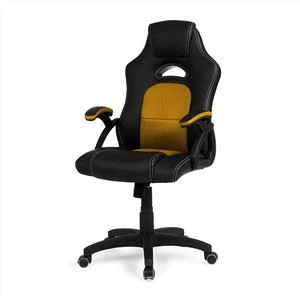
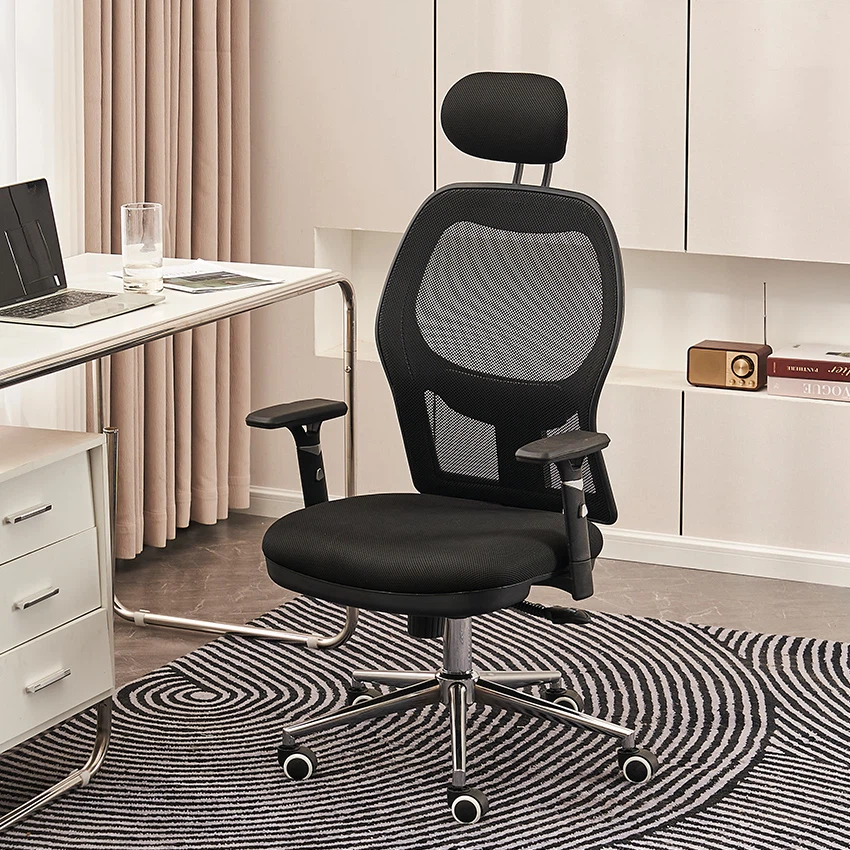
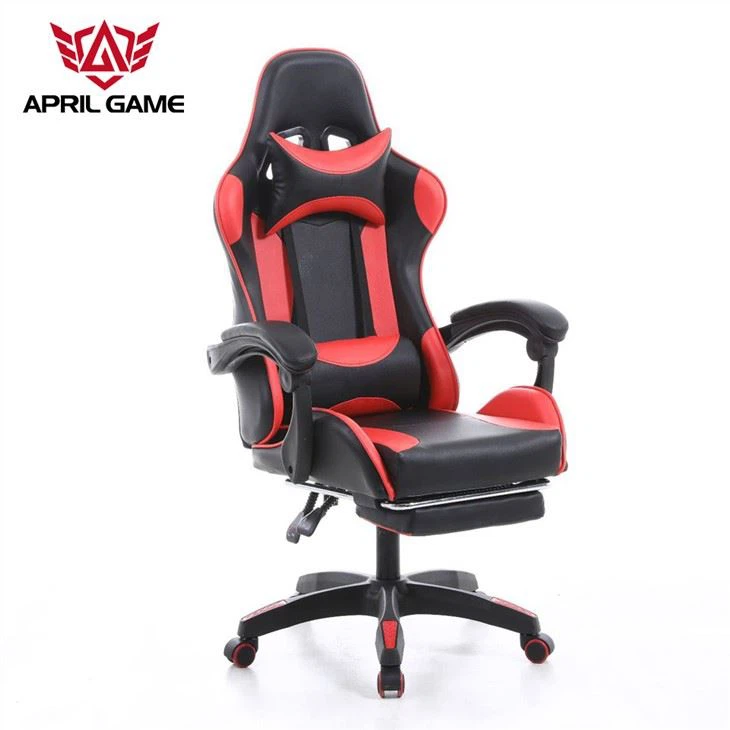
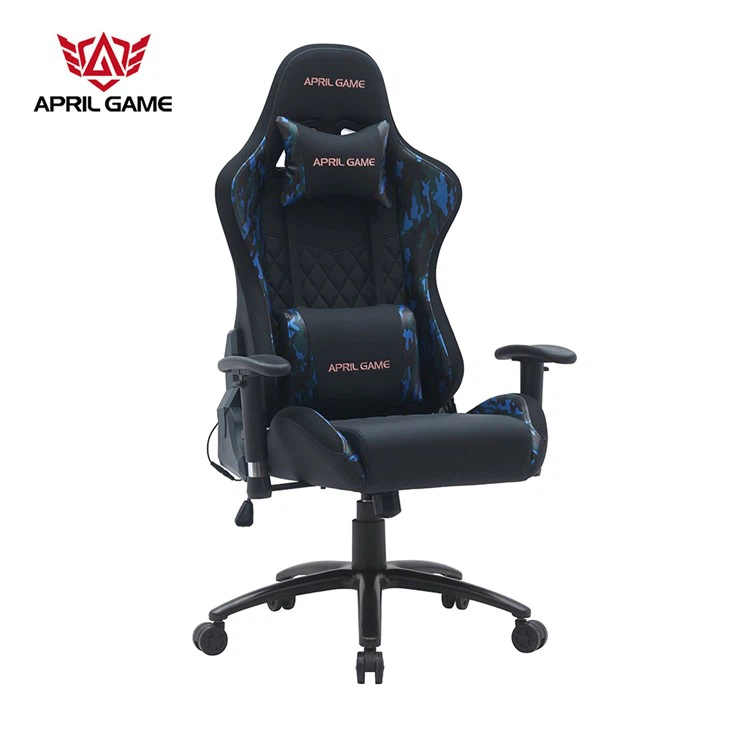
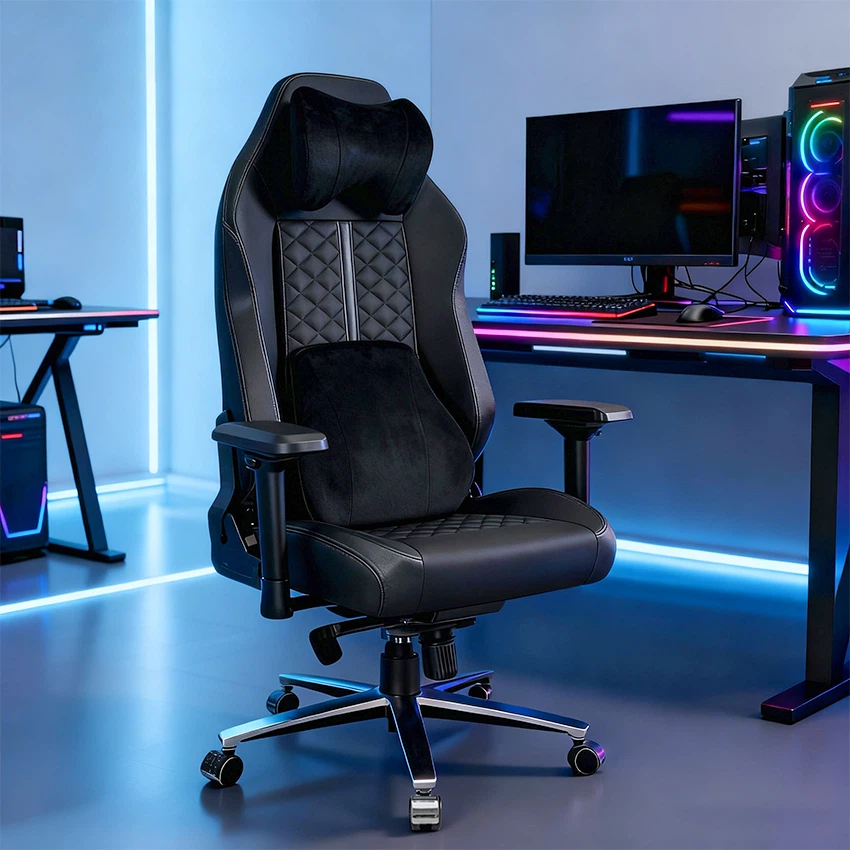
- Y-1-2437 Gaming Chair Office Reclining Ergonomic Chair With Headrest And Lumbar Support: This chair is available in a variety of colors, including black, blue, and red. It's a great choice for offices where employees need to sit for long periods of time, as it provides excellent support and comfort.
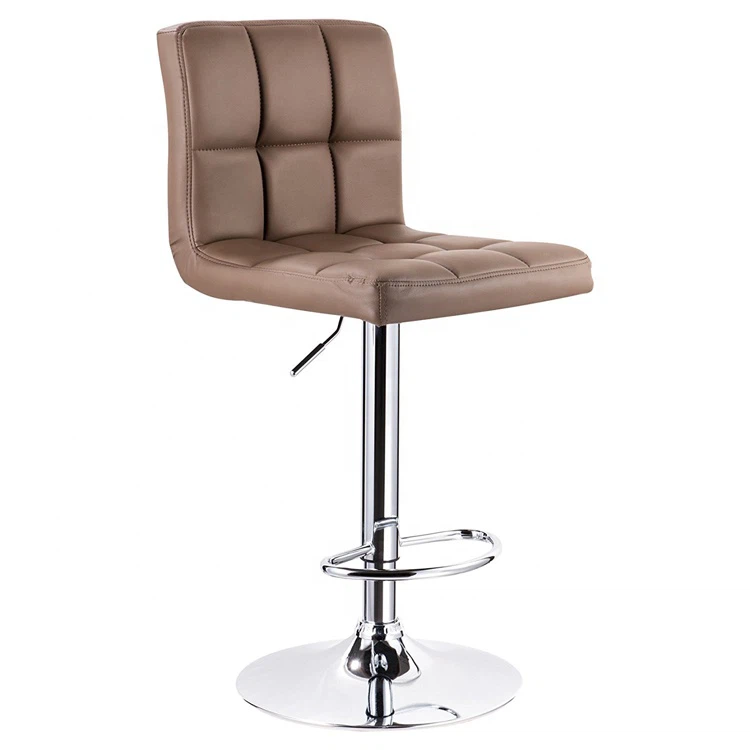
- Y-2868 Wholesale bright color office chair with PU leather/ swivel chair/lift chair: This chair is available in a range of bright colors, including yellow, green, and orange. It's a great choice for offices that need to add a pop of color and personality to their workspace.
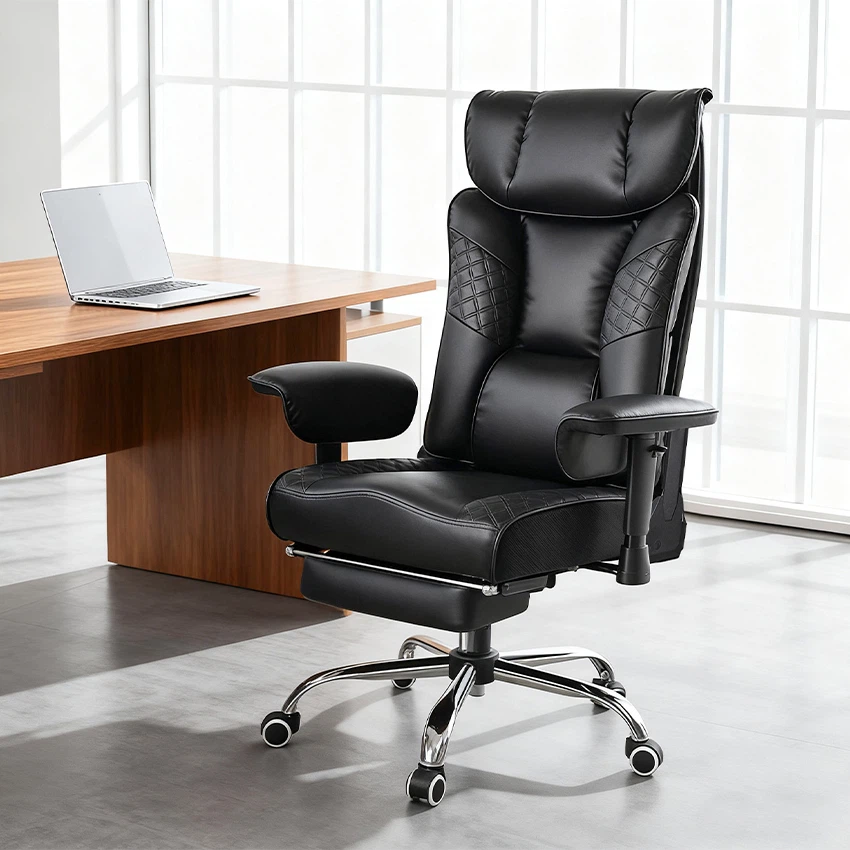
- Y-2815 European Style Racing Seat Executive Luxury Office Furniture Boss Office Chair: This chair is available in a variety of colors, including black, brown, and white. It's a great choice for executive offices and boardrooms, as it provides a stylish and comfortable seating option.
Conclusion
In conclusion, the colors you choose for your office furniture can have a significant impact on the overall look and feel of your workspace. By choosing the right colors, you can create a functional and stylish office environment that promotes productivity, creativity, and well-being. Whether you prefer neutral colors, bold colors, or a combination of both, there are many options available to suit your needs and preferences.


If you're interested in learning more about our office furniture products or would like to discuss your specific requirements, please don't hesitate to contact us. We'd be happy to help you create the perfect office environment for your business.
References
- "The Psychology of Color in the Workplace." Verywell Mind, https://www.verywellmind.com/color-psychology-in-the-workplace-4174347.
- "How Color Affects Productivity in the Workplace." Entrepreneur, https://www.entrepreneur.com/article/272733.
- "The Impact of Color on Mood and Productivity in the Workplace." Office Snapshots, https://www.officesnapshots.com/2017/01/23/impact-color-mood-productivity-workplace/.