











Hey there! As a supplier of mesh chairs, I know how crucial it is to ensure the quality of the chair frames. A good frame not only provides support but also determines the durability and comfort of the chair. So, in this blog, I'm gonna share with you some tips on how to check the quality of the frame of a mesh chair.
1. Material Inspection
The first step in checking the frame quality is to look at the material it's made of. Most mesh chair frames are constructed from metals like steel or aluminum, or high - quality plastics.
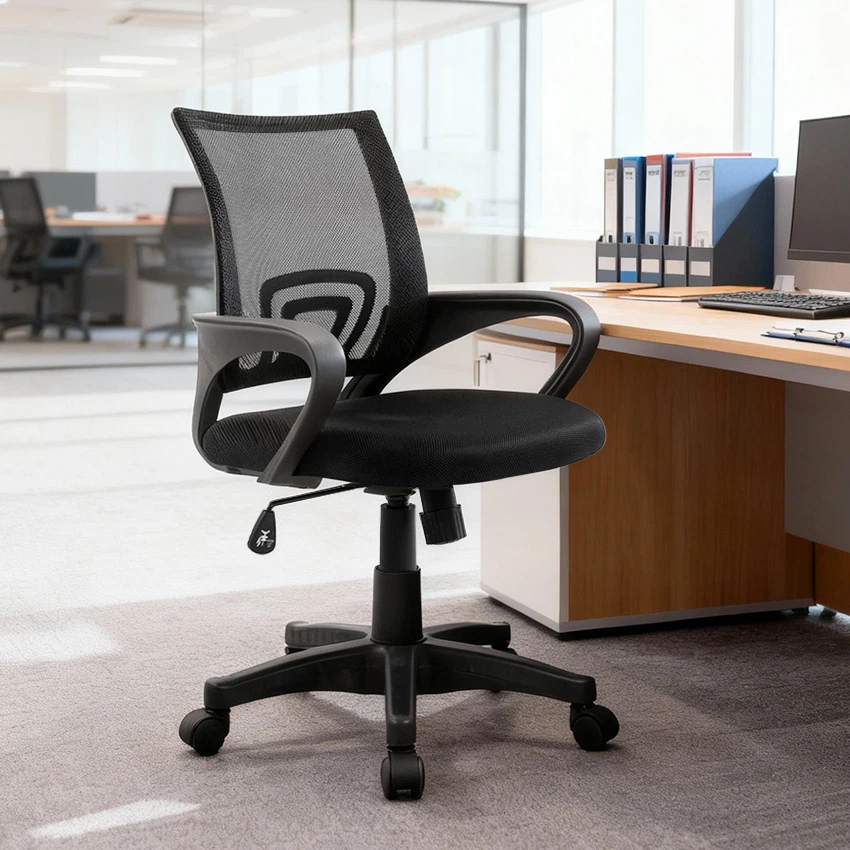
- Steel Frames: Steel is a popular choice for chair frames because of its strength and durability. When you're inspecting a steel frame, give it a good look. Check for any signs of rust or corrosion, especially in areas that are prone to moisture, like the base. A well - made steel frame should have a smooth finish. You can also try tapping on the frame gently. A solid, deep sound usually indicates good quality steel. For example, our GUYOU Y - 1764 Task Swivel Office Chair For Lab features a high - grade steel frame that offers excellent stability.
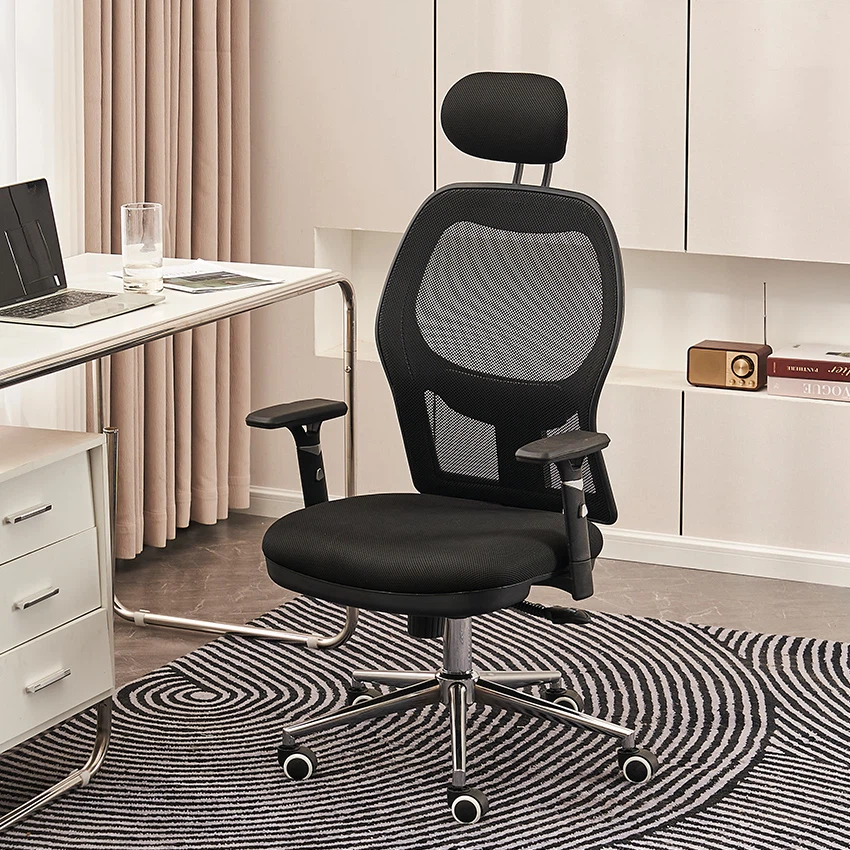
- Aluminum Frames: Aluminum frames are lightweight yet strong. They're resistant to rust, which is a big plus. To check the quality of an aluminum frame, look for any dents or scratches. A good aluminum frame should be uniform in color and texture. Run your hand along the frame; it should feel smooth without any rough edges. Our Y - 2812 Full Mesh Racing Style Office chair Executive Chair Computer Chair has an aluminum frame that combines lightness with durability.
- Plastic Frames: High - quality plastics can also make great chair frames. Look for a plastic frame that is thick and sturdy. It should not feel brittle or flimsy. You can try flexing the plastic slightly (but not too much to avoid breaking it). If it flexes a little and then returns to its original shape, it's a good sign. However, if it cracks or breaks easily, then the quality is questionable.
2. Weld Quality (for Metal Frames)
If the chair frame is made of metal, the quality of the welds is super important.


- Visual Inspection: Take a close look at the weld joints. They should be smooth and continuous. There should be no gaps, cracks, or unevenness in the welds. A good weld will blend seamlessly with the rest of the frame. If you see any signs of porosity (tiny holes) in the welds, it could indicate a poor welding process, which may weaken the frame over time.
- Strength Test: You can give the frame a gentle shake or try to apply a small amount of pressure near the weld joints. If the joints seem loose or if you hear any rattling sounds, it's a red flag. A well - welded frame should hold firm and not show any signs of weakness at the joints.
3. Structural Integrity
The overall structure of the frame is what keeps the chair stable and safe to use.
- Stability Check: Sit on the chair and rock back and forth gently. The chair should not wobble or tip over easily. The base of the chair should be wide enough to provide good balance. You can also try pushing down on the armrests or the seat edges. If the frame starts to flex or creak excessively, it may not be structurally sound.
- Frame Design: A well - designed frame distributes weight evenly. Look for a frame that has a proper shape and layout. For example, the backrest frame should be curved to support the natural curvature of the spine. Our Ergonomic Office Chairs are designed with frames that prioritize both comfort and structural integrity.
4. Finish and Coating
The finish and coating on the frame not only enhance its appearance but also protect it from wear and tear.
- Paint or Powder Coating: For metal frames, a good paint or powder coating should be smooth and even. Check for any chips, peeling, or uneven color. A high - quality coating will resist scratches and fading over time. You can try rubbing a small area of the frame gently with a soft cloth. If the coating comes off easily, it's not a good sign.
- Surface Treatment for Plastic Frames: Plastic frames may have a surface treatment to make them more scratch - resistant and aesthetically pleasing. Look for a frame with a consistent surface finish. There should be no visible streaks or blemishes.
5. Hardware and Joints
The hardware used in the frame, such as screws, bolts, and nuts, is just as important as the frame itself.
- Screw and Bolt Tightness: Check that all the screws and bolts are tight. You can try giving them a gentle tug (but don't overdo it). Loose hardware can cause the chair to become unstable and may lead to parts coming loose over time.
- Joint Movement: For chairs with adjustable parts, like the tilt mechanism or height adjustment, check the movement of the joints. They should move smoothly without any sticking or grinding. If there's too much play in the joints, it can affect the overall performance of the chair.
6. Brand Reputation and Certification
- Brand Reputation: Do some research on the brand. A well - established and reputable brand is more likely to produce high - quality chairs. You can look for customer reviews and testimonials online to get an idea of the brand's track record.
- Certification: Check if the chair has any relevant certifications, such as BIFMA (Business and Institutional Furniture Manufacturers Association) certification. This certification indicates that the chair meets certain quality and safety standards.
In conclusion, checking the quality of a mesh chair frame is a multi - step process. By paying attention to the material, weld quality, structural integrity, finish, hardware, and brand reputation, you can make an informed decision when choosing a mesh chair.
If you're in the market for high - quality mesh chairs, whether for an office, a lab, or a home setup, I'd love to help you out. We have a wide range of mesh chairs that meet the highest quality standards. Don't hesitate to reach out to discuss your procurement needs. We're always here to offer the best solutions for your seating requirements.
References
- BIFMA standards documentation
- Industry reports on office chair quality and materials