








When it comes to furnishing your bar area, choosing the right color of ABS bar stools is crucial as it can significantly impact the overall aesthetic and ambiance of the space. As a supplier of ABS bar stools, I understand the importance of this decision and am here to guide you through the process. In this blog, I'll share some insights on how to select the perfect color of ABS bar stools to match your existing furniture.
Understanding the Color Psychology
Color psychology plays a vital role in interior design. Different colors evoke various emotions and can set the mood for a room. For instance, warm colors like red, orange, and yellow are associated with energy, enthusiasm, and warmth. They can create a lively and inviting atmosphere, making them a great choice for a social and vibrant bar area. On the other hand, cool colors such as blue, green, and purple are known for their calming and relaxing effects. They can help create a more serene and sophisticated environment, which might be suitable for a more upscale or lounge - style bar.
Neutral colors like white, black, gray, and beige are versatile and timeless. They can easily blend with any color scheme and provide a classic and elegant look. White bar stools can make a space appear bright and airy, while black stools add a touch of sophistication and drama. Gray and beige offer a more muted and understated option that can complement a wide range of furniture styles.
Assessing Your Existing Furniture
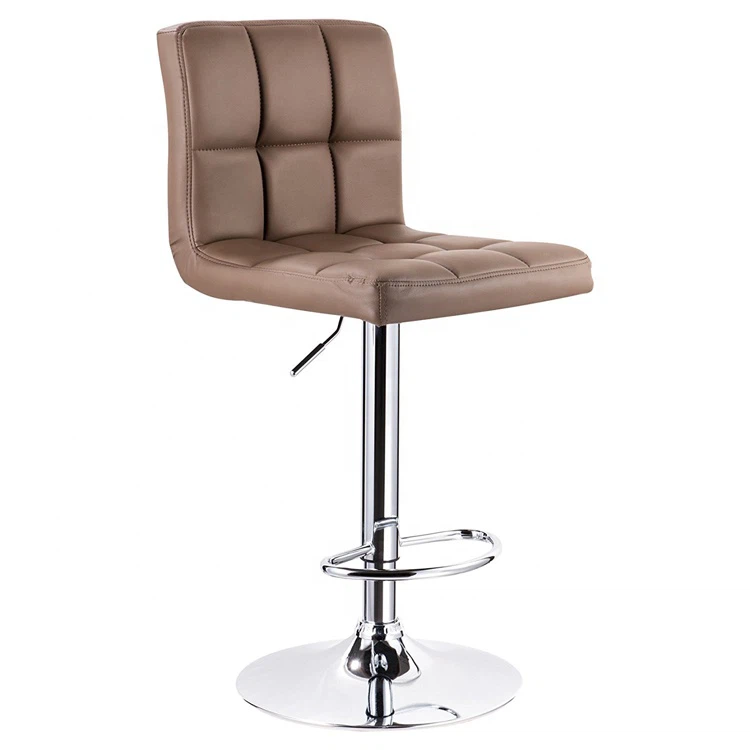
The first step in choosing the right color of ABS bar stools is to take a close look at your existing furniture. Consider the dominant colors, textures, and styles of the pieces in your bar area. If you have a wooden bar counter with a natural finish, earth - tone bar stools such as brown or tan can create a harmonious and cohesive look. These colors can mimic the warmth and richness of the wood, enhancing the natural beauty of the space.
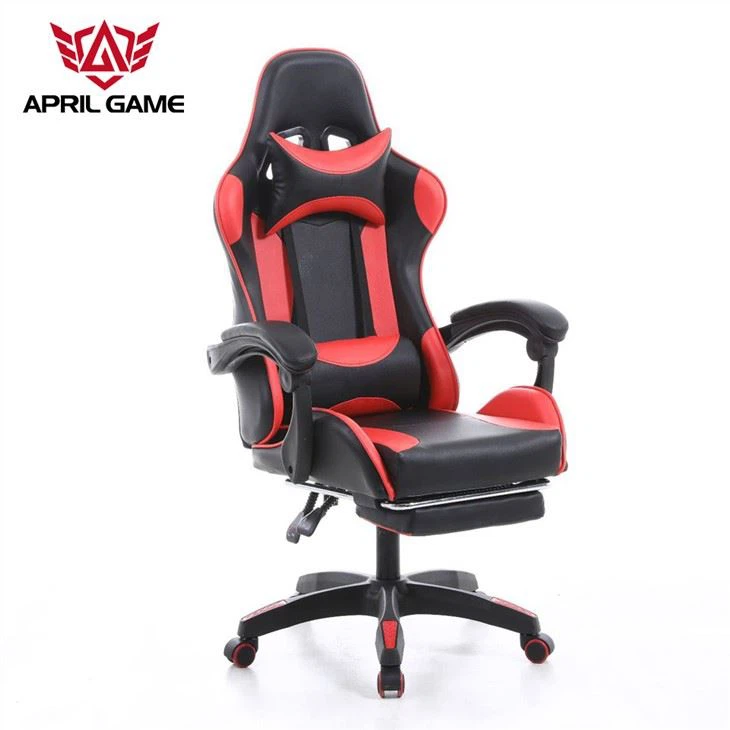
If your furniture has bold and bright colors, you can either choose bar stools in a complementary color to create a contrast or in a coordinating color to maintain a unified look. For example, if you have a red - leather sofa in your bar area, black or white bar stools can provide a striking contrast, while a burgundy or maroon stool can coordinate well with the red sofa.


Considering the Lighting in the Space
Lighting also has a significant impact on how colors appear in a room. Natural light can make colors look more vibrant and true to their original shade, while artificial light can alter the perception of color. In a space with lots of natural light, you have more flexibility in choosing darker or more saturated colors for your bar stools. However, in a room with limited natural light, lighter colors can help brighten up the space and prevent it from feeling too dark or gloomy.
If your bar area has a lot of warm - toned artificial lighting, cool - toned bar stools can provide a nice balance. Conversely, if your lighting is more on the cool side, warm - toned stools can add a touch of coziness.
Trends in Color for ABS Bar Stools
Keeping up with the latest color trends can also be a fun way to choose the right bar stools for your space. Currently, there is a growing trend towards using bold and vibrant colors in interior design. Colors like mustard yellow, emerald green, and deep navy are becoming increasingly popular for bar stools. These colors can add a modern and trendy touch to your bar area and make it stand out.
Metallic finishes such as gold, silver, and copper are also in vogue. They can add a luxurious and glamorous look to your bar stools, especially when paired with a simple and neutral - colored bar counter.
Specific Product Recommendations
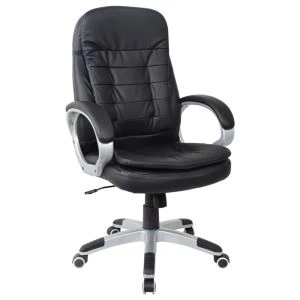
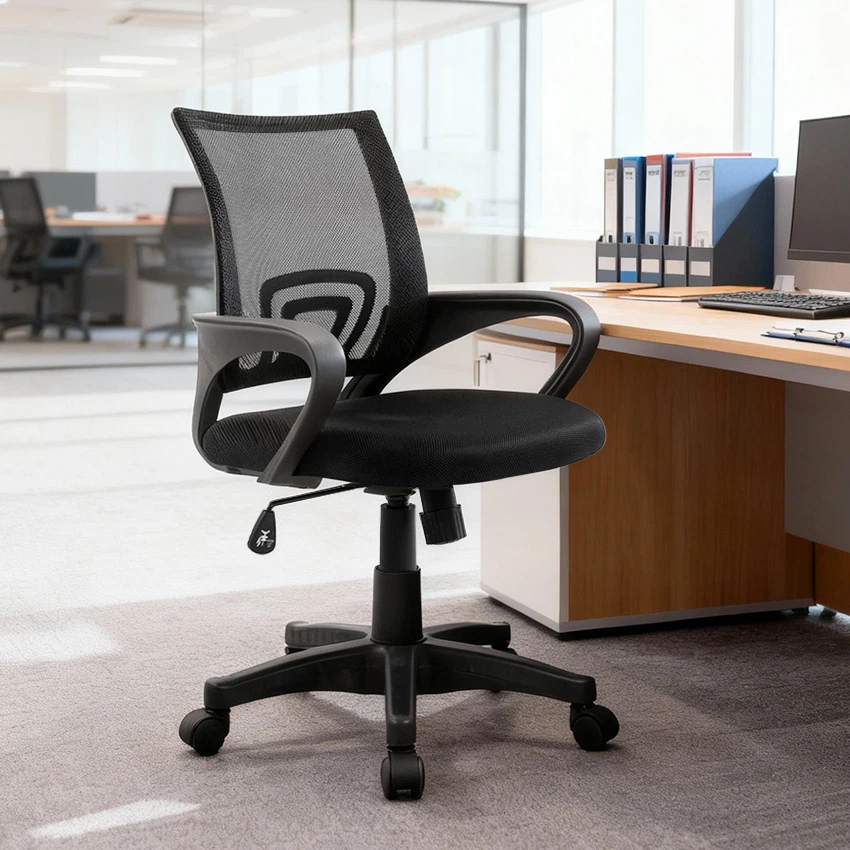
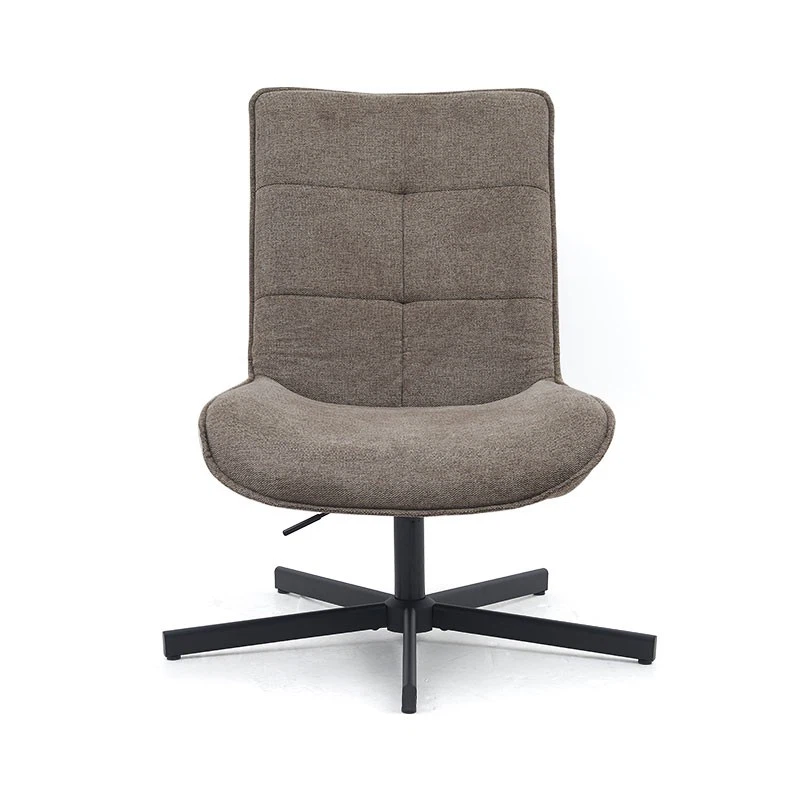
As an ABS bar stool supplier, I have a wide range of products to offer. For a modern and sleek look, our Y - 1856 New Design PU Leather Office Chair Swivel Chair is a great option. It comes in a variety of colors, including black, white, and gray, which can easily match different furniture styles. The swivel feature also adds functionality to the stool, making it ideal for a bar area.
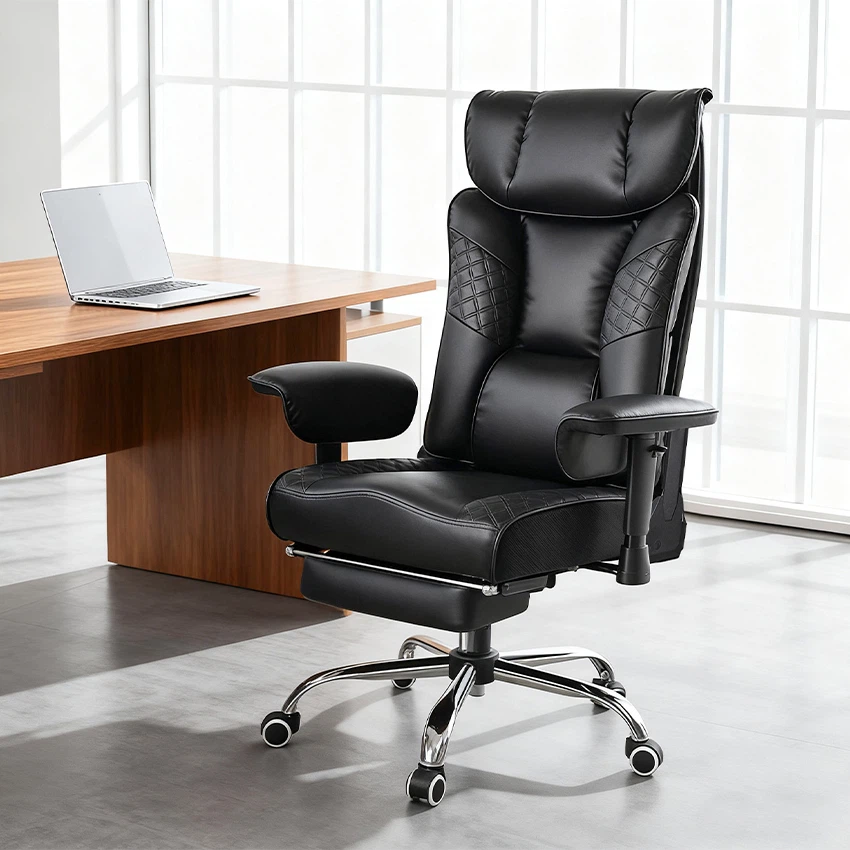
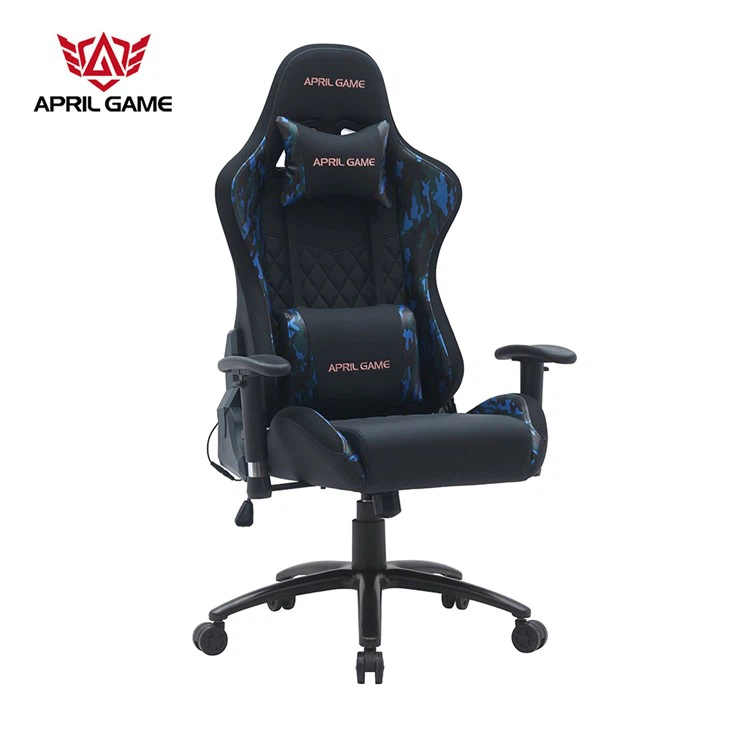
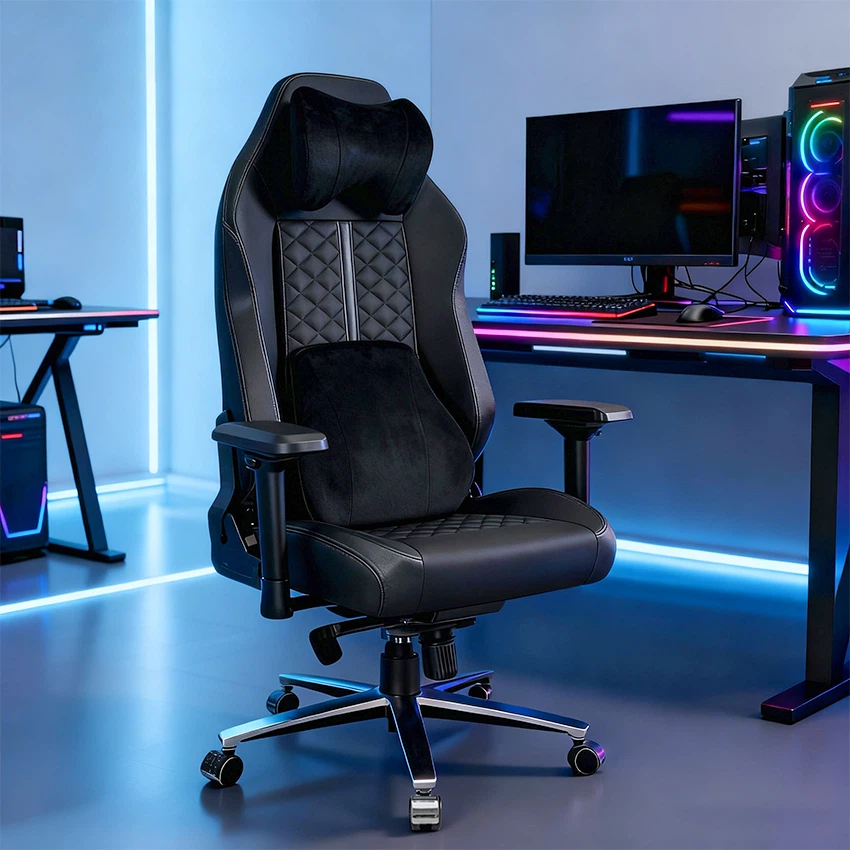
If you're looking for a high - end and sophisticated option, our Y - 2753 High - end manager high back black office cheap chair is a perfect choice. The black color gives it a classic and elegant look, and the high - back design provides excellent support.
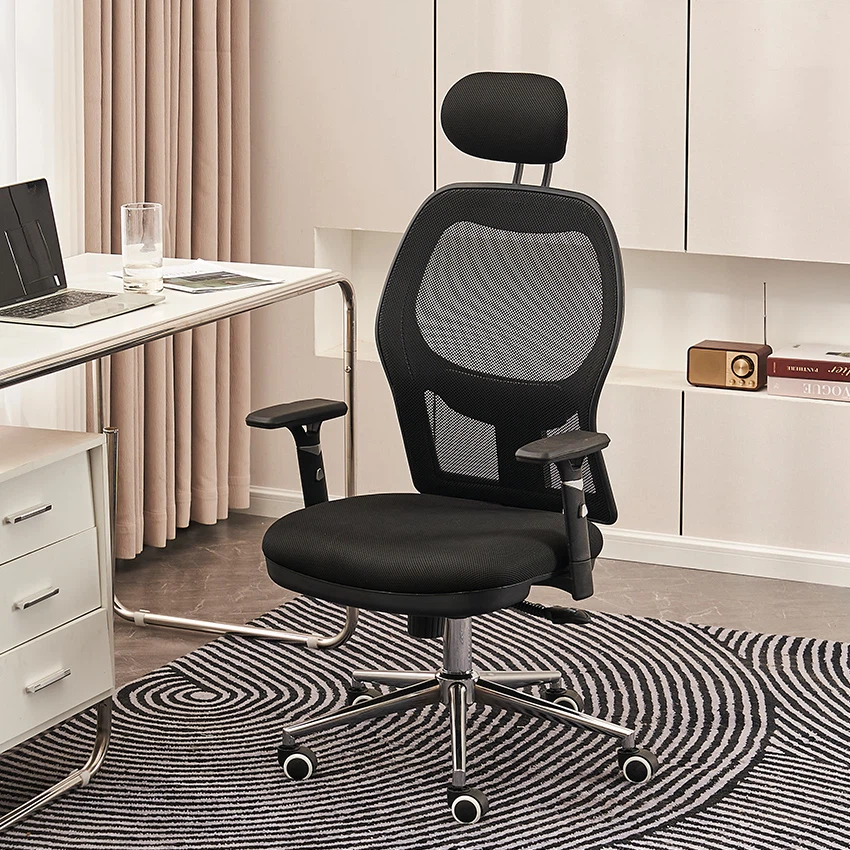
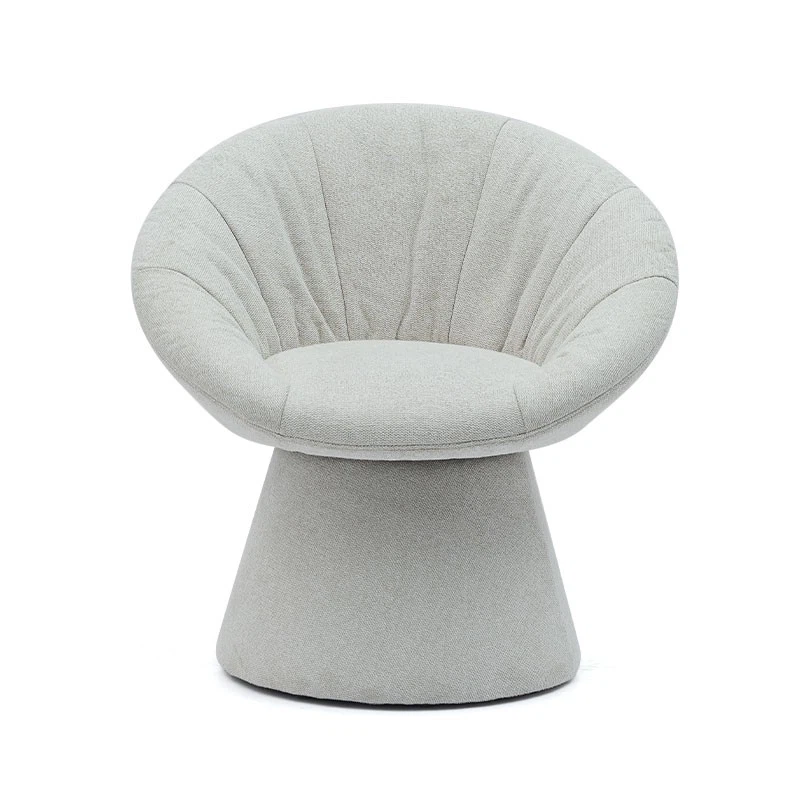
For a more specialized use, such as a nail beauty salon, our GUYOU GY - 629 High Back Nail Beauty Salon Without Armrests Fabric Bar Stool is designed to meet the specific needs of the industry. It is available in soft and neutral colors that can create a comfortable and inviting environment.
Creating a Color Scheme
Once you have considered all the factors mentioned above, it's time to create a color scheme for your bar area. You can choose a monochromatic color scheme, which uses different shades and tints of the same color. This can create a sophisticated and cohesive look. For example, if you choose a blue bar counter, you can pair it with light blue, medium blue, and dark blue bar stools.
An analogous color scheme uses colors that are adjacent to each other on the color wheel. For instance, if your bar counter is green, you can choose yellow - green or blue - green bar stools. This scheme creates a harmonious and soothing effect.
A complementary color scheme uses colors that are opposite each other on the color wheel. This can create a bold and eye - catching look. For example, if your bar counter is purple, you can choose yellow bar stools.
Conclusion
Choosing the right color of ABS bar stools to match your furniture is a process that requires careful consideration of various factors such as color psychology, existing furniture, lighting, and trends. By following the tips and guidelines provided in this blog, you can make an informed decision and create a bar area that is both stylish and functional.
If you're interested in our ABS bar stools or have any questions about color selection, please feel free to contact us for a detailed discussion and procurement negotiation. We look forward to working with you to transform your bar area into a beautiful and inviting space.
References
- Pile, F. K. (2008). Interior Design: Theory, Practice, and Technology. John Wiley & Sons.
- Eiseman, L. (2010). Color: A Workshop for Artists, Designers, and Crafters. North Light Books.