








Hey there! As an office furniture supplier, I've seen firsthand how crucial the right lighting is in an office environment. It's not just about brightening up the space; it can significantly impact productivity, comfort, and even the overall well - being of employees. So, let's dive into what kind of lighting is suitable for an office filled with office furniture.
Natural Lighting: The Gold Standard
First off, natural light is hands - down the best option for an office. It's free, abundant (at least during the day), and has a whole bunch of benefits. When you have plenty of natural light streaming through the windows, it can make the office feel more open and inviting. Employees are less likely to feel sleepy or sluggish because natural light helps regulate our internal body clocks, also known as circadian rhythms.
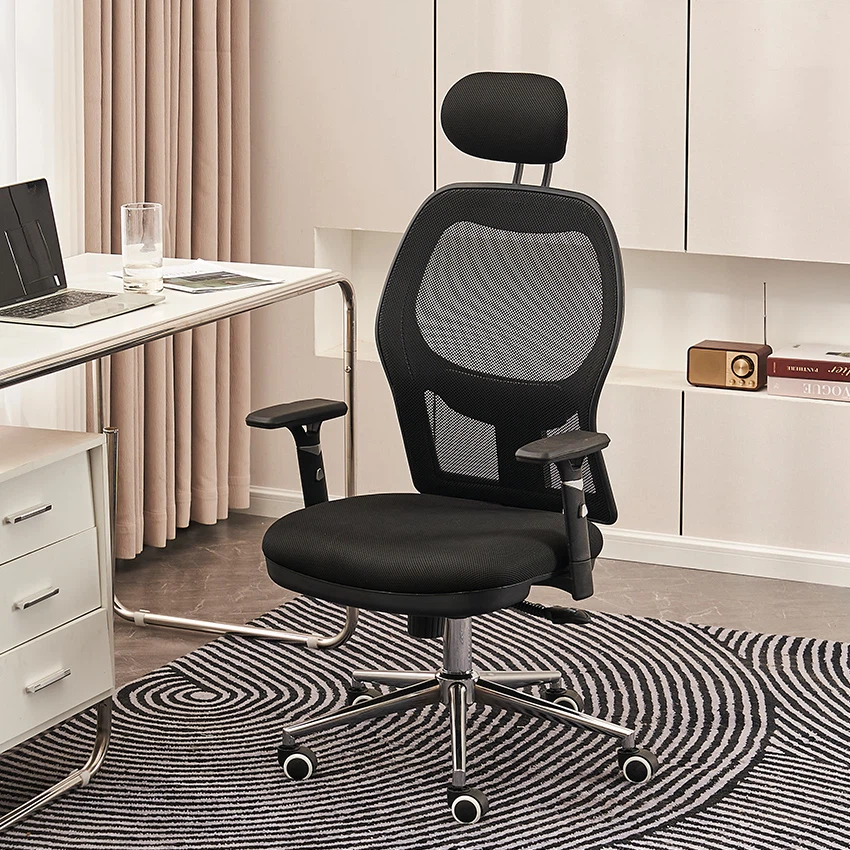
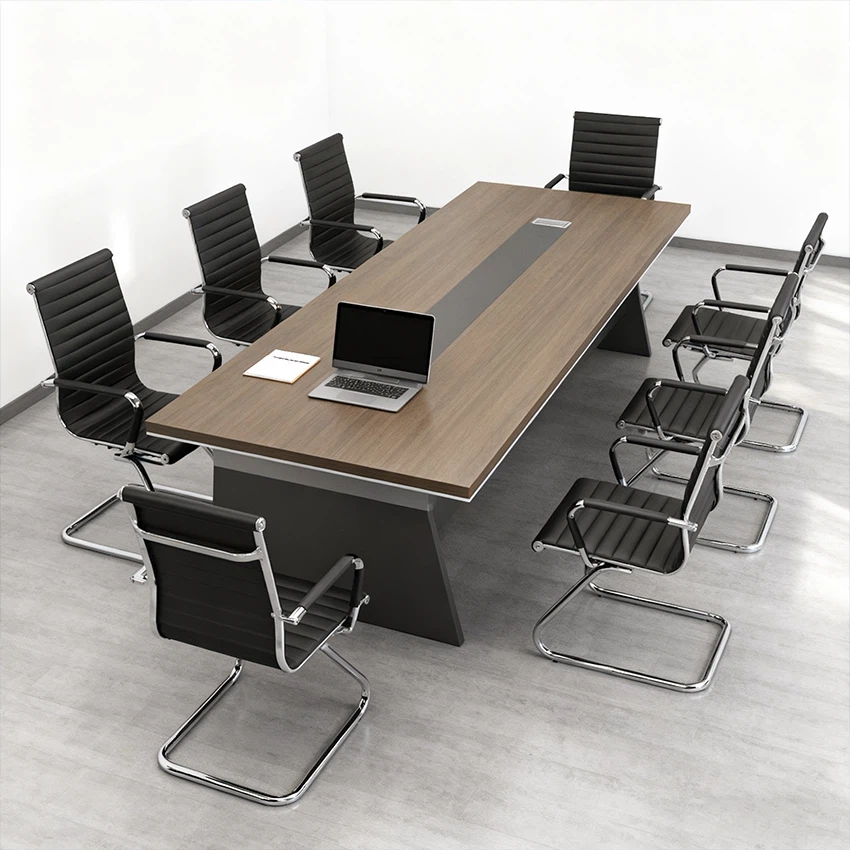
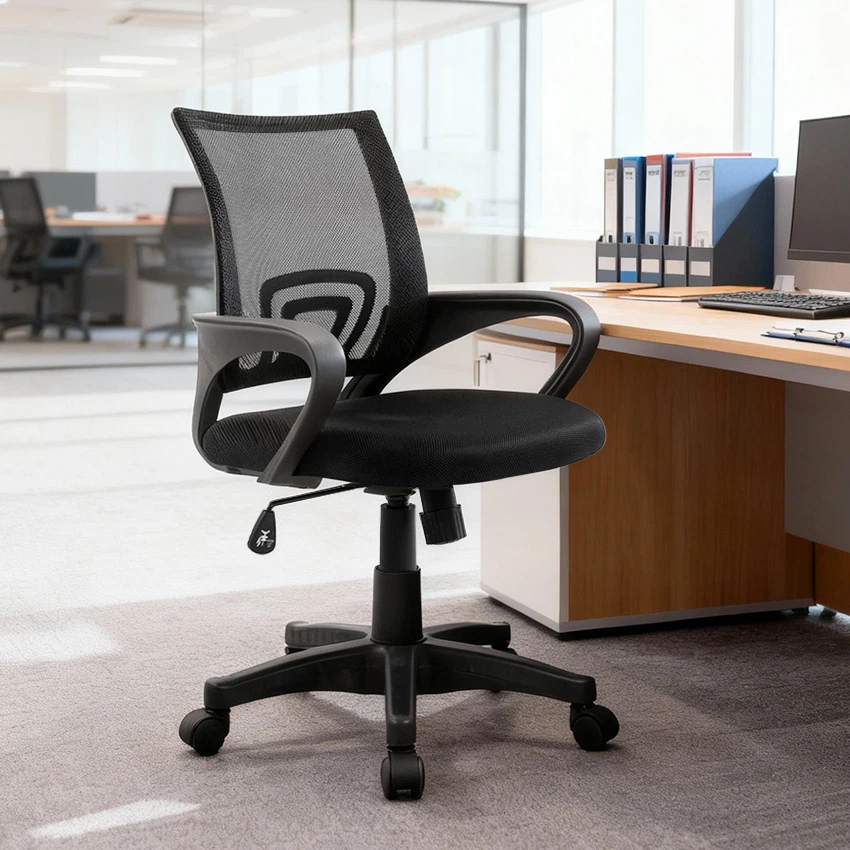
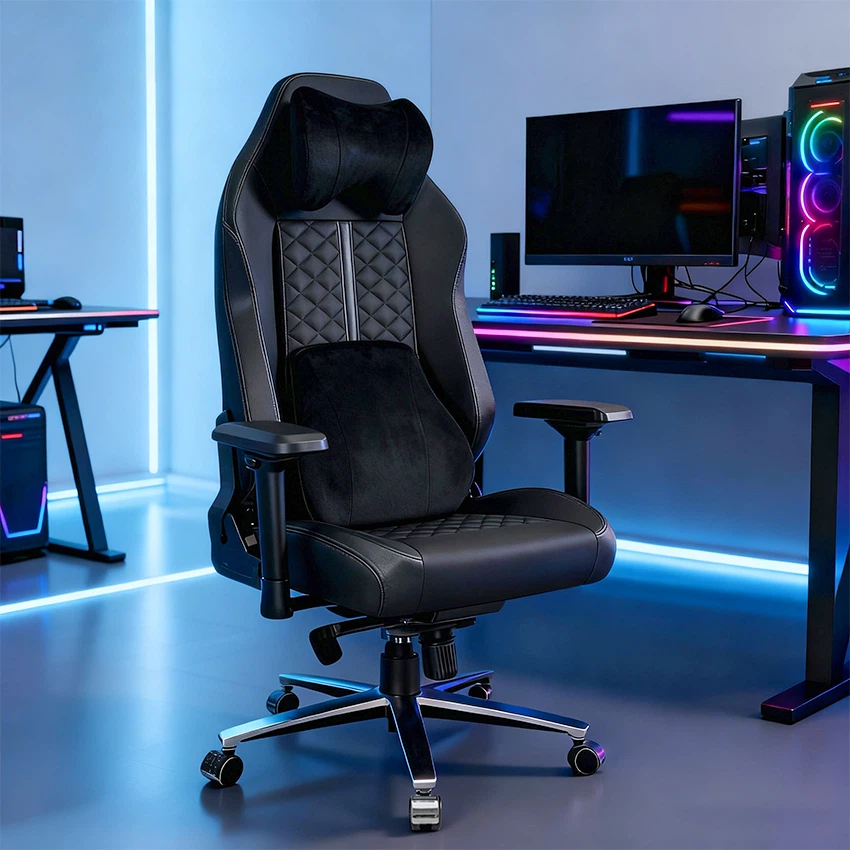
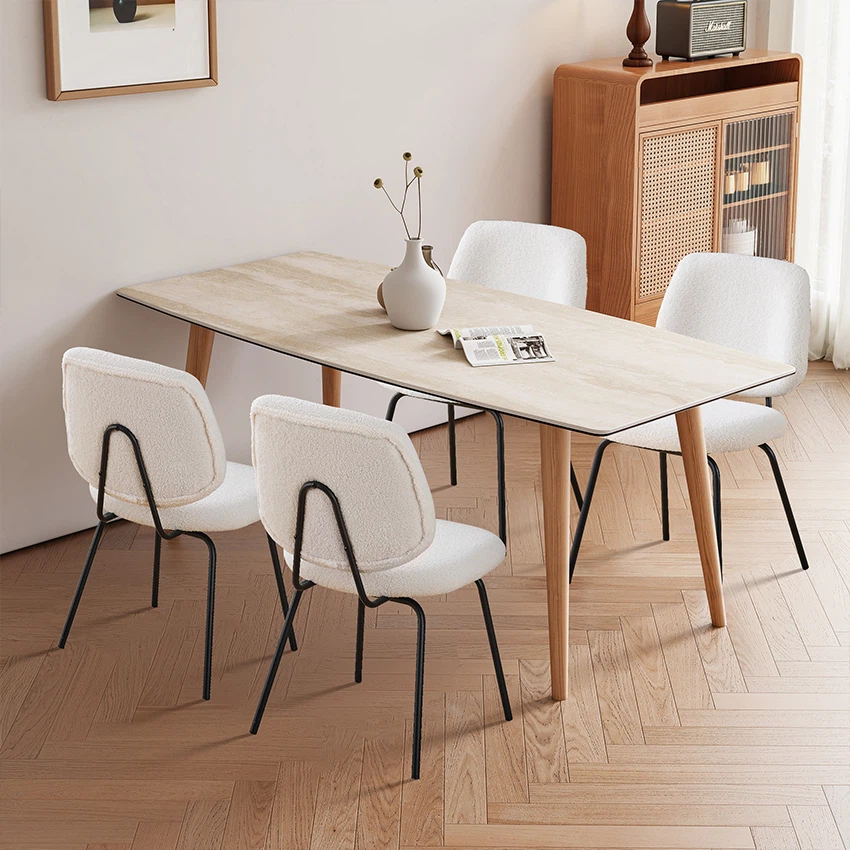
From a furniture perspective, natural light shows off the true colors and textures of your office furniture. For example, if you've got a beautiful wooden desk or a GUYOU 1727 Ergonomic Mesh Office Conference Chair For Meeting Room, the sunlight will bring out the details and make them look even better.
However, relying solely on natural light isn't always practical. There are times when the sun isn't shining, like on cloudy days or during the evening. Also, not all offices have large windows or the right orientation to get enough sunlight. That's where artificial lighting comes in.
Artificial Lighting: The Complement
When it comes to artificial lighting, there are several types to consider.
Ambient Lighting
Ambient lighting is like the base layer of light in an office. It provides overall illumination to make the space visible. You can use ceiling - mounted fixtures like recessed lights or pendant lights for ambient lighting. This type of lighting should be bright enough to allow people to move around safely and see clearly, but not so bright that it causes glare on computer screens.
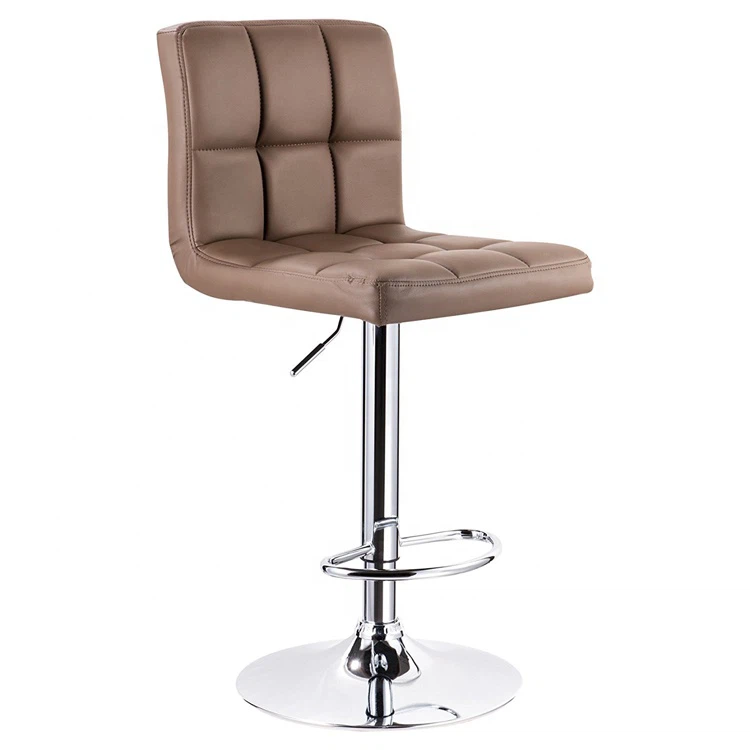
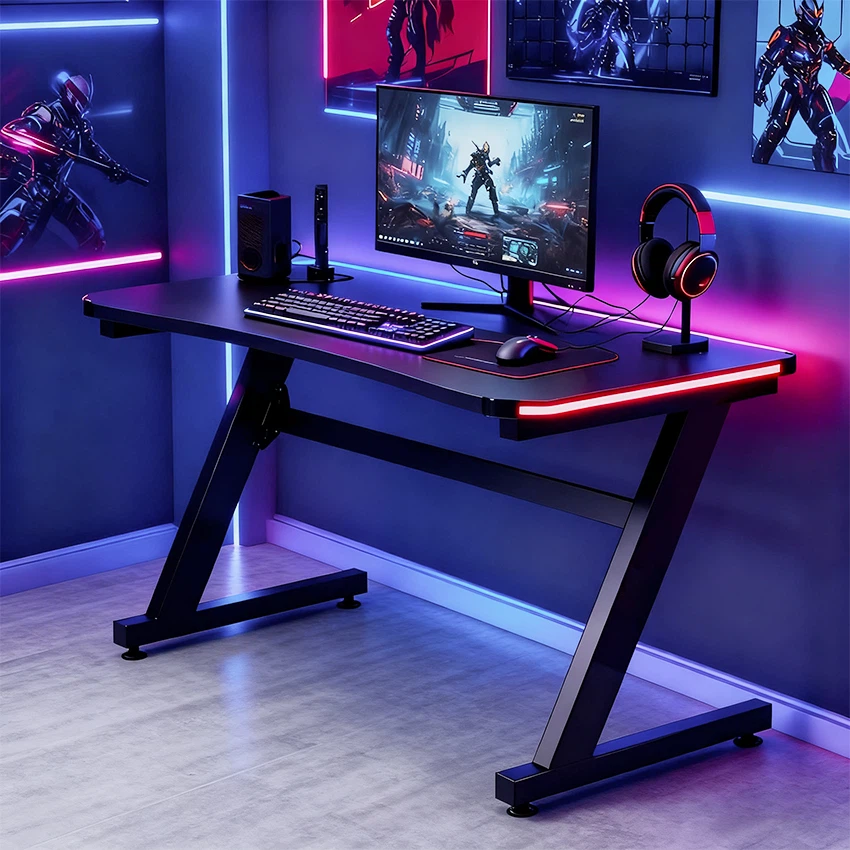
For offices with a lot of modern furniture, such as GY - 1033 Barstools Swivel Round Stool Metal Bar Chairs With Seat PU Leather Kitchen Counter Bar Stools in a break area or a sleek modern desk, ambient lighting can create a cohesive and stylish look. It sets the tone for the entire office.
Task Lighting
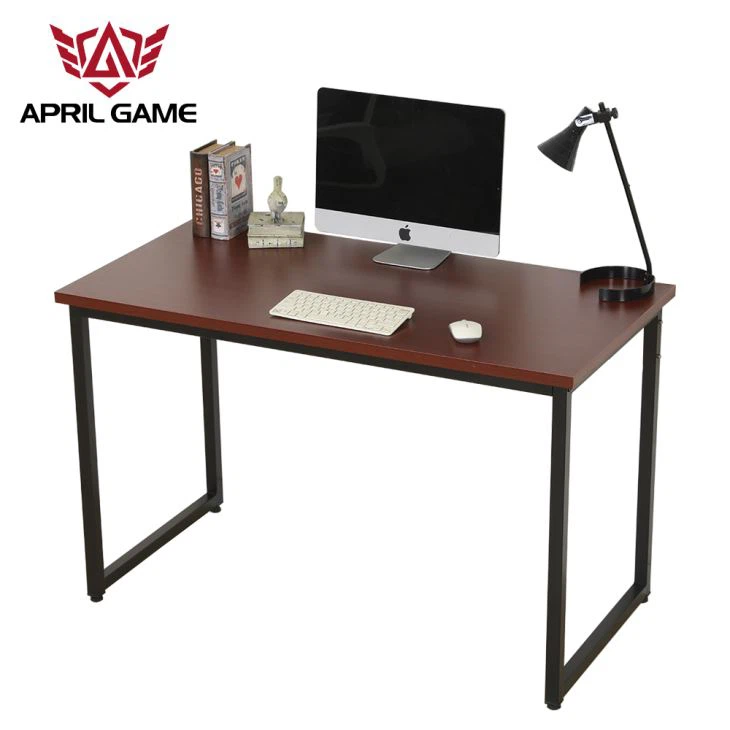
Task lighting is super important, especially in areas where employees need to focus on specific tasks. Think of desks, workstations, and reading areas. Desk lamps are a classic example of task lighting. They can be adjusted to direct light exactly where it's needed, reducing eye strain and improving concentration.
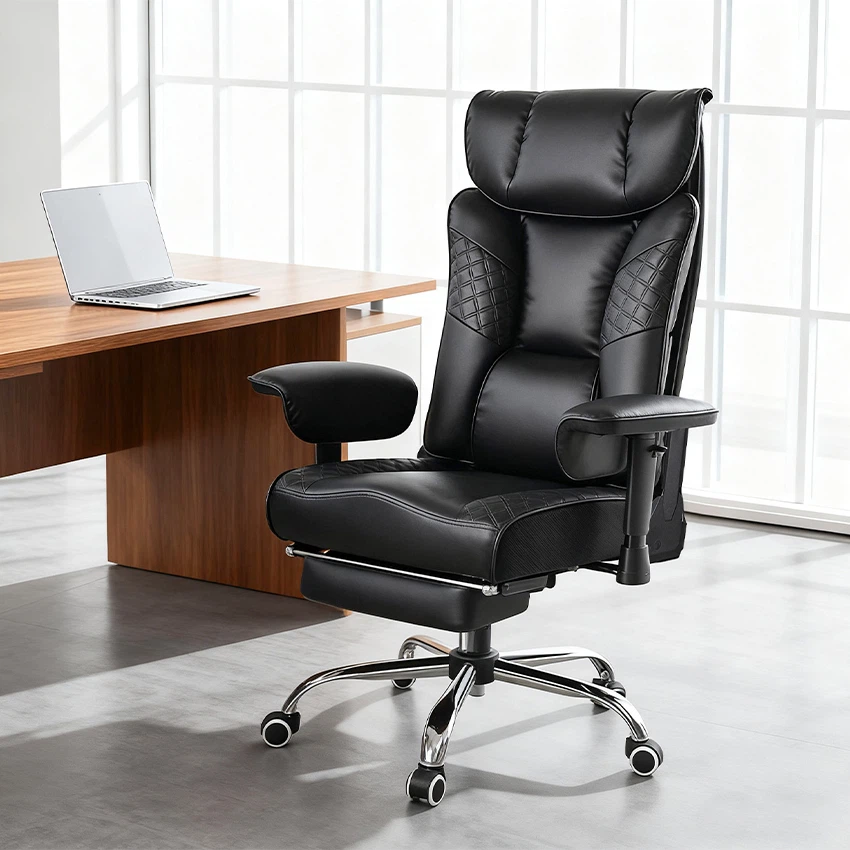
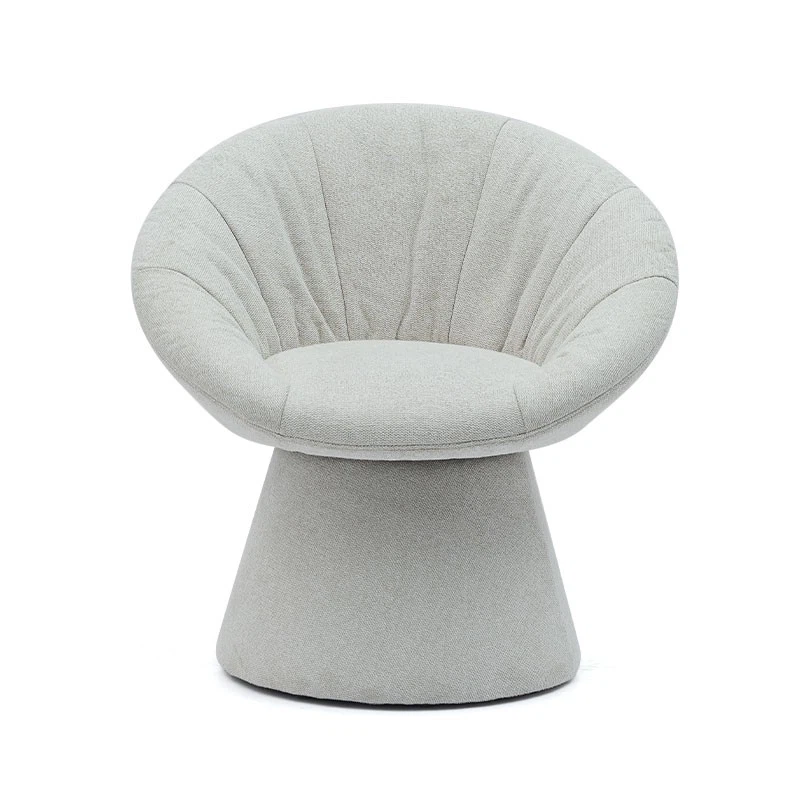
If you have employees who spend a lot of time working on detailed projects, like graphic designers or accountants, a good quality task light next to their Boucle Desk Chair Executive Task Chairs can make a world of difference. They can control the intensity and direction of the light to suit their needs.
Accent Lighting
Accent lighting is used to highlight certain features in the office, like a piece of art on the wall or a unique piece of furniture. It adds a touch of drama and personality to the space. You can use track lights or wall - mounted spotlights for accent lighting.
For example, if you have a custom - made bookshelf filled with important company documents or a collection of awards, accent lighting can draw attention to it and make it a focal point in the office.
Color Temperature and Color Rendering Index (CRI)
When choosing artificial lighting, two important factors to consider are color temperature and CRI.
Color temperature is measured in Kelvins (K). Lower color temperatures (around 2700K - 3000K) produce a warm, yellow - white light, similar to the light from a traditional incandescent bulb. This type of light is great for creating a cozy and inviting atmosphere, like in a break room or a meeting area.
Higher color temperatures (around 5000K - 6500K) produce a cool, blue - white light, similar to natural daylight. This type of light is better for areas where concentration is needed, like workstations and offices. It can help improve alertness and reduce eye fatigue.
The Color Rendering Index (CRI) measures how accurately a light source can reproduce the colors of objects compared to natural light. A CRI of 100 means that the light source can reproduce colors perfectly. For an office, it's recommended to use light sources with a CRI of at least 90 to ensure that the colors of your office furniture and other objects look accurate.
Lighting Placement
Proper lighting placement is also crucial. You want to avoid creating shadows and glare. For example, when placing task lights on desks, make sure they're positioned in a way that the light doesn't shine directly into the eyes of the person using the desk.
In an open - plan office, you might need to use a combination of ceiling - mounted and floor - standing lights to ensure even illumination throughout the space. And in areas with a lot of glass partitions, be careful of reflections that can cause glare on computer screens.


Energy Efficiency
Let's not forget about energy efficiency. Using energy - efficient lighting options, like LED lights, can save you a lot of money in the long run. LED lights consume less energy, last longer, and produce less heat compared to traditional incandescent or fluorescent lights.
As an office furniture supplier, I often recommend LED lighting to my clients because it's not only cost - effective but also environmentally friendly. It can also enhance the overall look of the office furniture by providing a clean and bright light.
Conclusion
In conclusion, the right lighting for an office with office furniture is a combination of natural and artificial lighting. Natural light should be maximized whenever possible, and artificial lighting should be carefully selected and placed to complement the furniture and the tasks being performed in the office.
When choosing artificial lighting, consider the type of lighting (ambient, task, and accent), color temperature, CRI, and energy efficiency. By paying attention to these factors, you can create a comfortable, productive, and stylish office environment.
If you're in the market for office furniture and need advice on the right lighting to go with it, or if you're looking to upgrade your existing office lighting, I'd love to have a chat with you. Let's work together to create the perfect office space for your business!
References
- Lighting Research Center. (n.d.). Lighting Basics. Retrieved from [Lighting Research Center Website]
- Office of Energy Efficiency & Renewable Energy. (n.d.). Energy - Efficient Lighting. Retrieved from [Office of Energy Efficiency & Renewable Energy Website]