




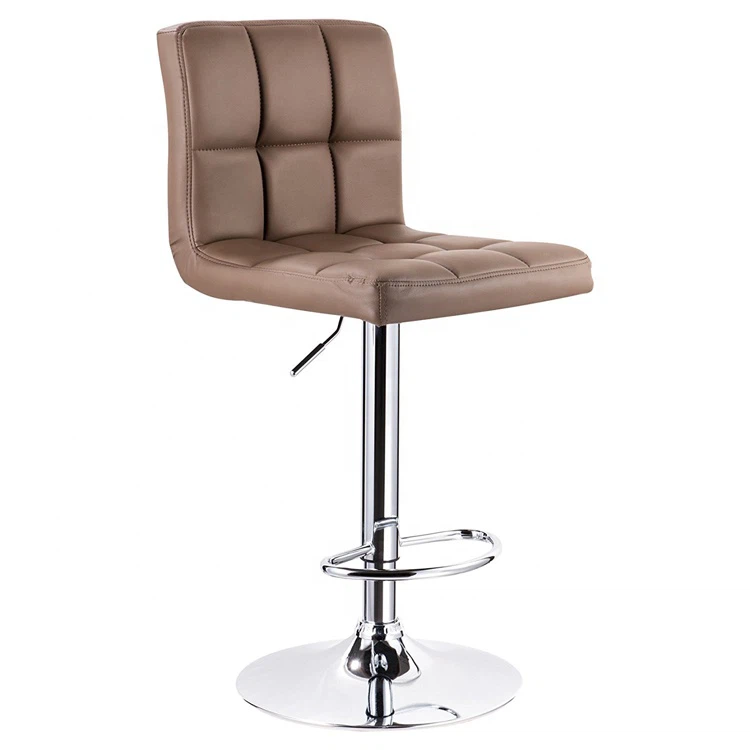


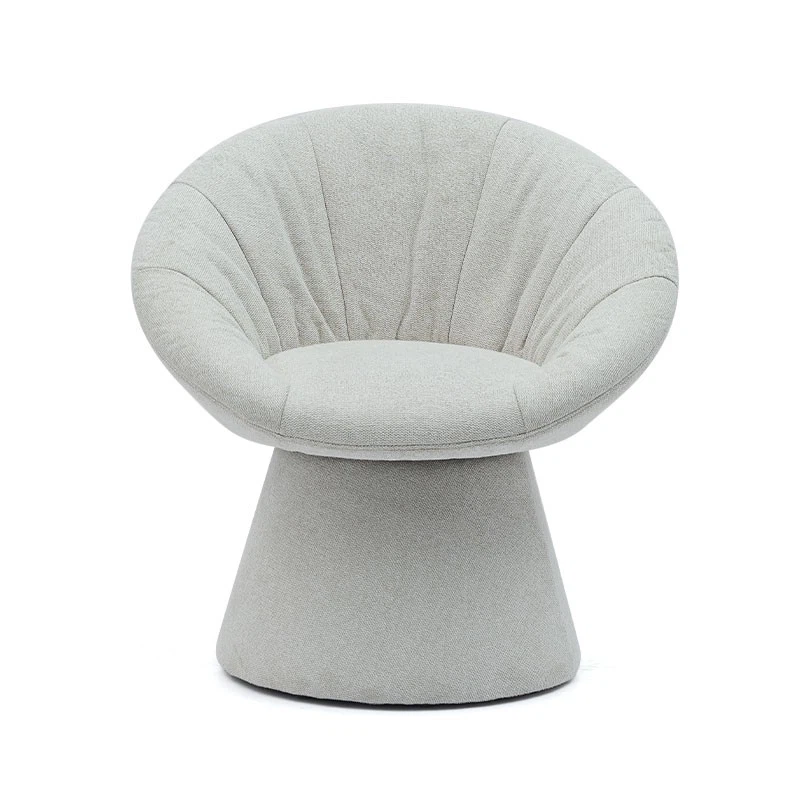
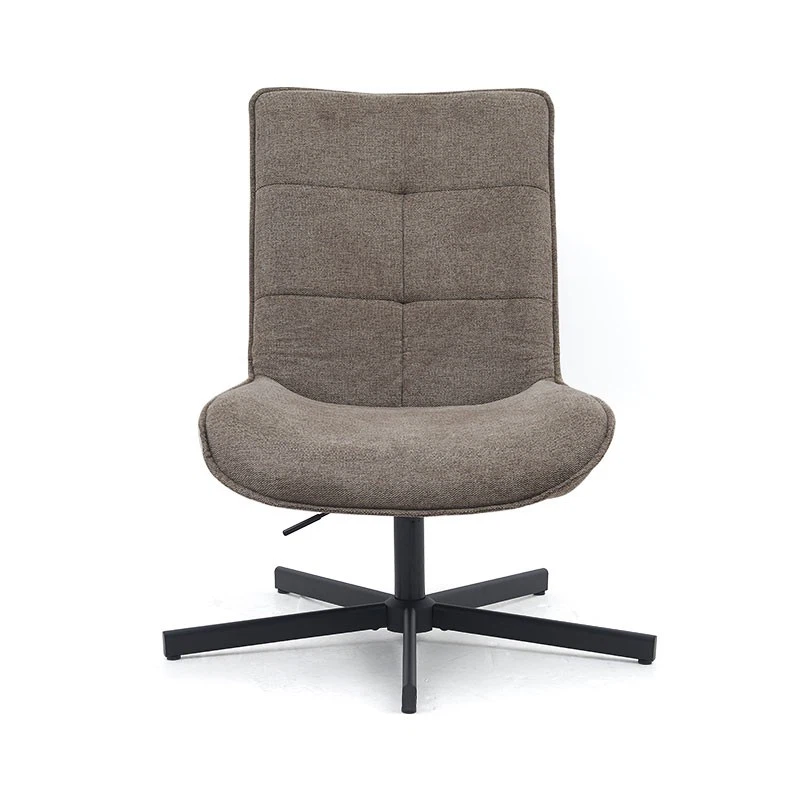
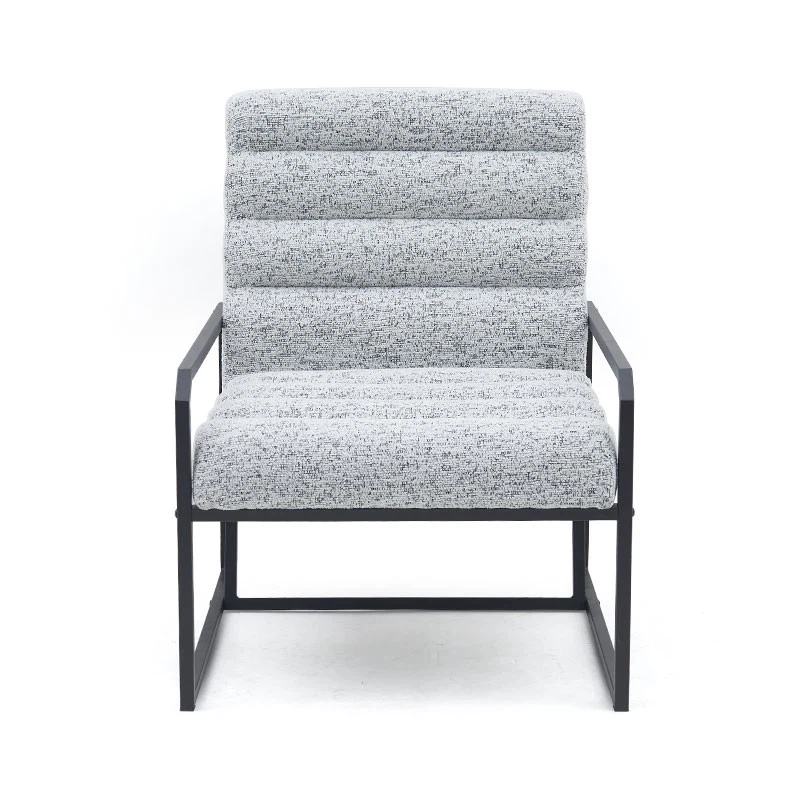
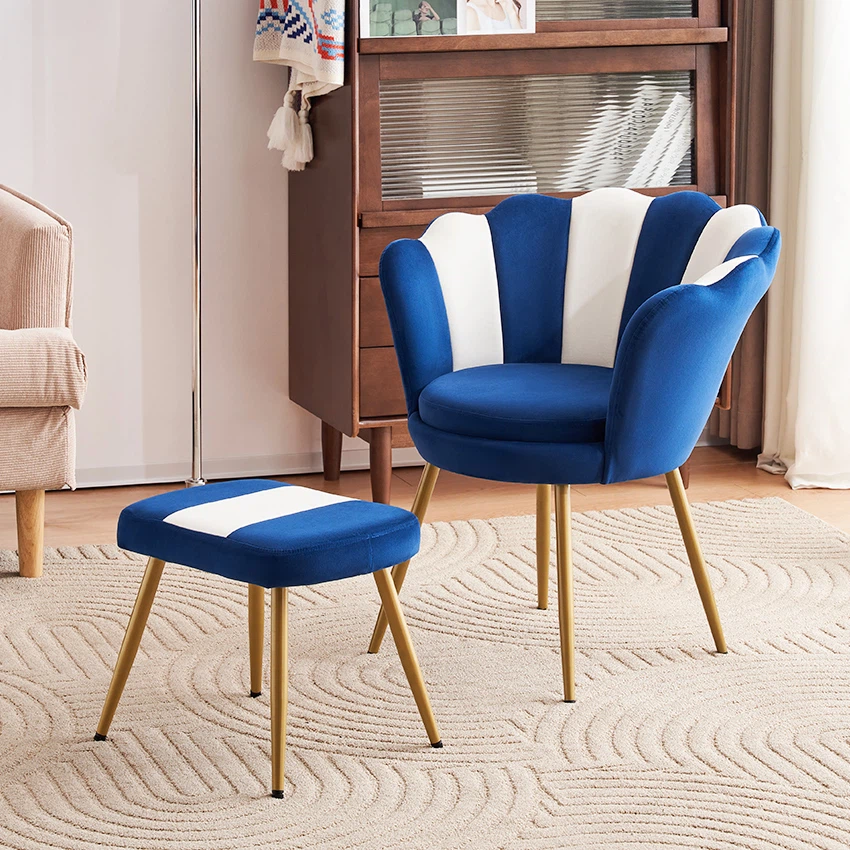
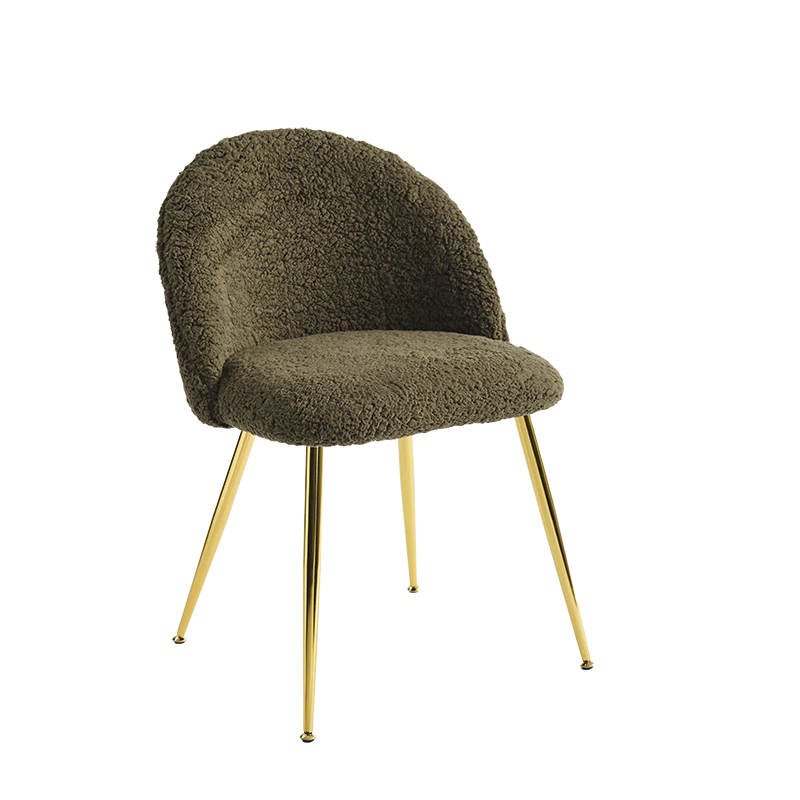

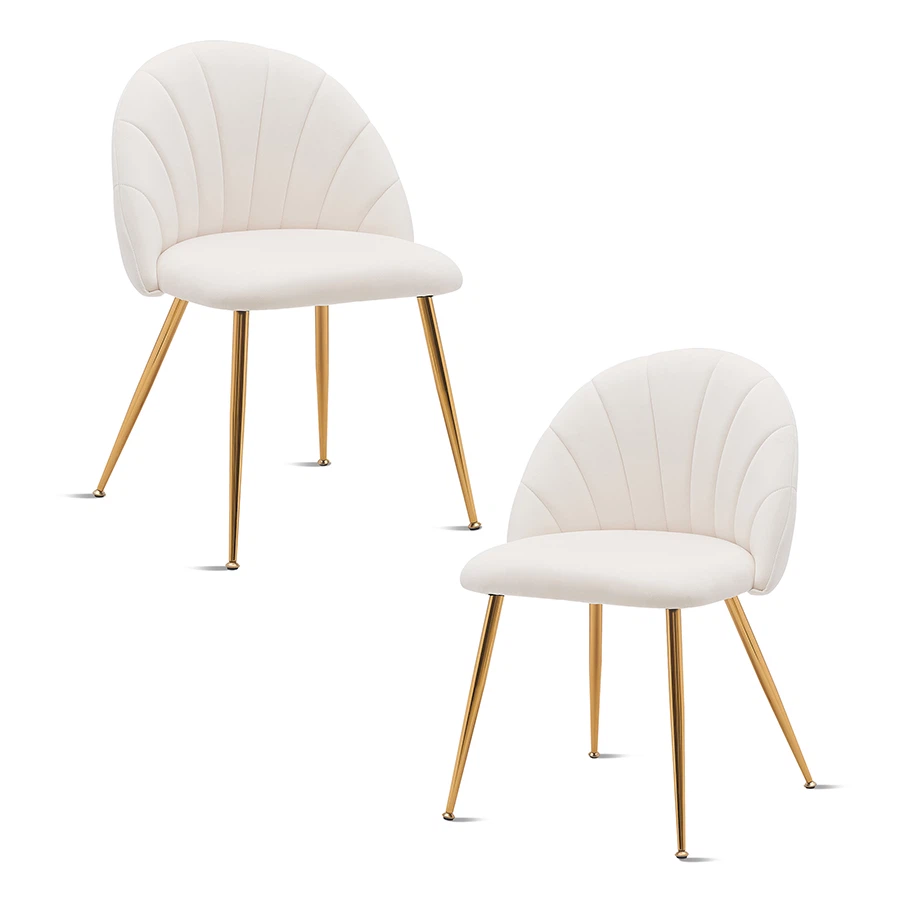
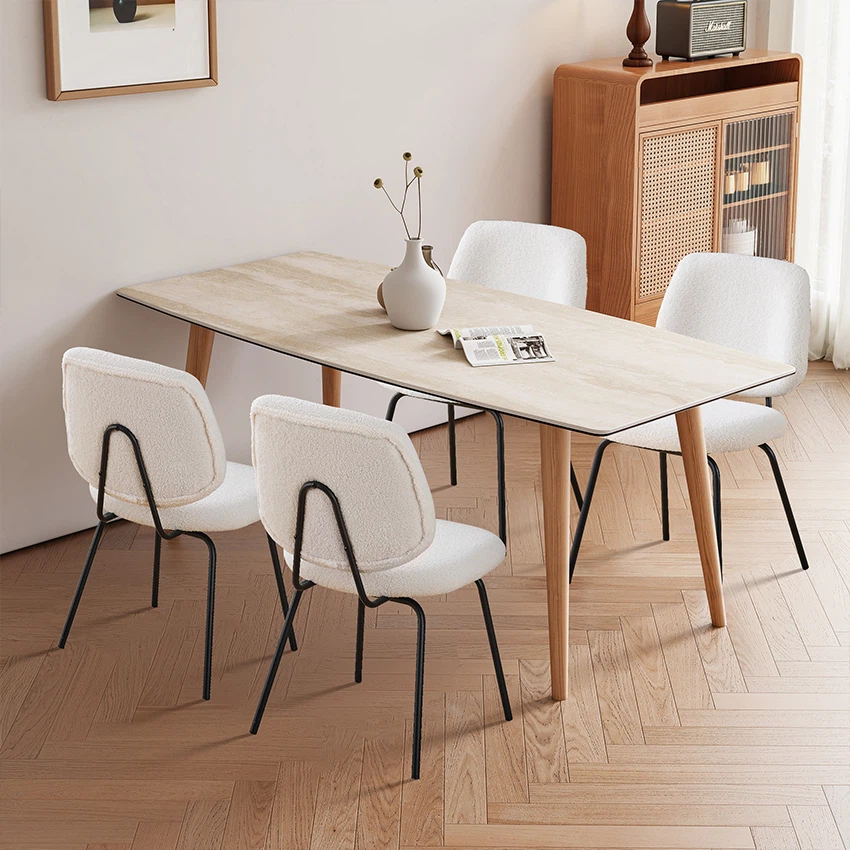



Yo, what's up everyone! I'm a supplier of fabric bar stools, and today I wanna talk about something super important but often overlooked – the density of the foam in fabric bar stools. You might be thinking, "Foam density? Why does that matter?" Well, stick around, and I'll break it down for you.
What is Foam Density and Why Does It Matter?
Let's start with the basics. Foam density is basically how much mass or weight there is in a cubic foot of foam. It's measured in pounds per cubic foot (PCF). The higher the PCF number, the denser the foam.
Why is density so crucial for fabric bar stools? Picture this. You're sitting at your favorite bar, chatting with friends, sipping on a drink. You want that bar stool to be comfortable, right? A stool with low - density foam might feel soft at first, but over time, it'll start to sag. It won't hold its shape well, and you'll end up feeling like you're sitting in a hole.
On the other hand, a high - density foam bar stool will provide better support. It can handle your weight day in and day out without losing its form. This means longer - lasting comfort, which is a big deal for both home and commercial use. If you're running a busy bar or restaurant, you want stools that can withstand constant use. And if it's for your home, you want to invest in something that'll last for years.
Different Types of Foam and Their Densities
There are a few types of foam commonly used in fabric bar stools, each with its own density range.
Polyurethane Foam: This is one of the most popular choices. It's affordable, versatile, and comes in a wide range of densities. Low - density polyurethane foam usually ranges from 1.2 to 1.8 PCF. It's soft and plush, giving that initial "cloud - like" sitting experience. But as I mentioned earlier, it won't last as long.
Medium - density polyurethane foam, which is around 2.0 to 2.5 PCF, strikes a good balance between comfort and durability. It's a great option for most home and light - commercial applications.
High - density polyurethane foam has a density of 2.8 PCF or higher. This type of foam is extremely durable and can handle heavy use, making it ideal for commercial bars and restaurants.
Memory Foam: You've probably heard of memory foam in mattresses. It's also used in some high - end fabric bar stools. Memory foam density typically starts at around 3.0 PCF. It molds to your body shape, providing excellent support and pressure relief. However, it can be a bit more expensive than polyurethane foam.
How Does Foam Density Affect the Cost?
As you might expect, the density of the foam has a direct impact on the cost of the fabric bar stool. Higher - density foams are more expensive to produce. This is because they require more raw materials and a more precise manufacturing process.
If you're on a tight budget, you might be tempted to go for a stool with low - density foam. But keep in mind that you'll likely have to replace it sooner. In the long run, it might actually cost you more. Investing in a stool with medium or high - density foam will save you money in the long term, as you won't have to keep buying new stools.
Picking the Right Foam Density for Your Needs
Now, you might be wondering how to choose the right foam density for your fabric bar stools. Here are a few things to consider:
Usage Frequency: If it's for a home bar that's only used occasionally, a medium - density foam might be sufficient. But if you're running a busy bar or restaurant where the stools are used all day, every day, high - density foam is a must.
User Weight: Heavier individuals will put more pressure on the foam. If you expect your stools to be used by people with a higher body weight, opt for a higher - density foam to ensure it can handle the load without sagging.


Budget: Of course, your budget plays a role. But remember, don't sacrifice quality for a lower price. Look for a balance between the density of the foam and your budget.
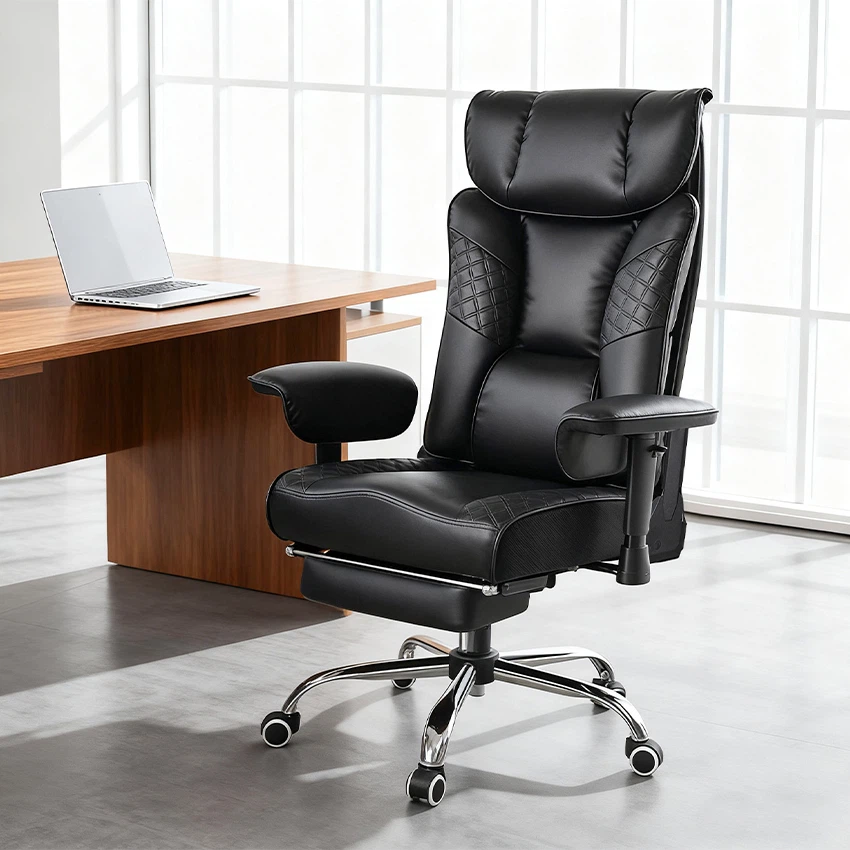
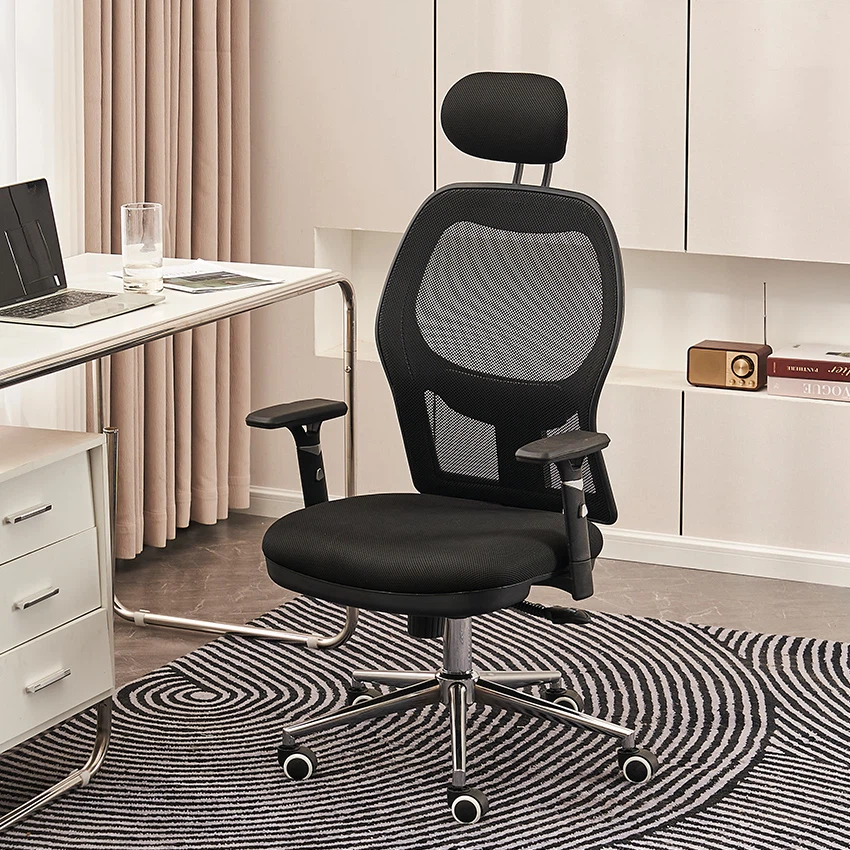
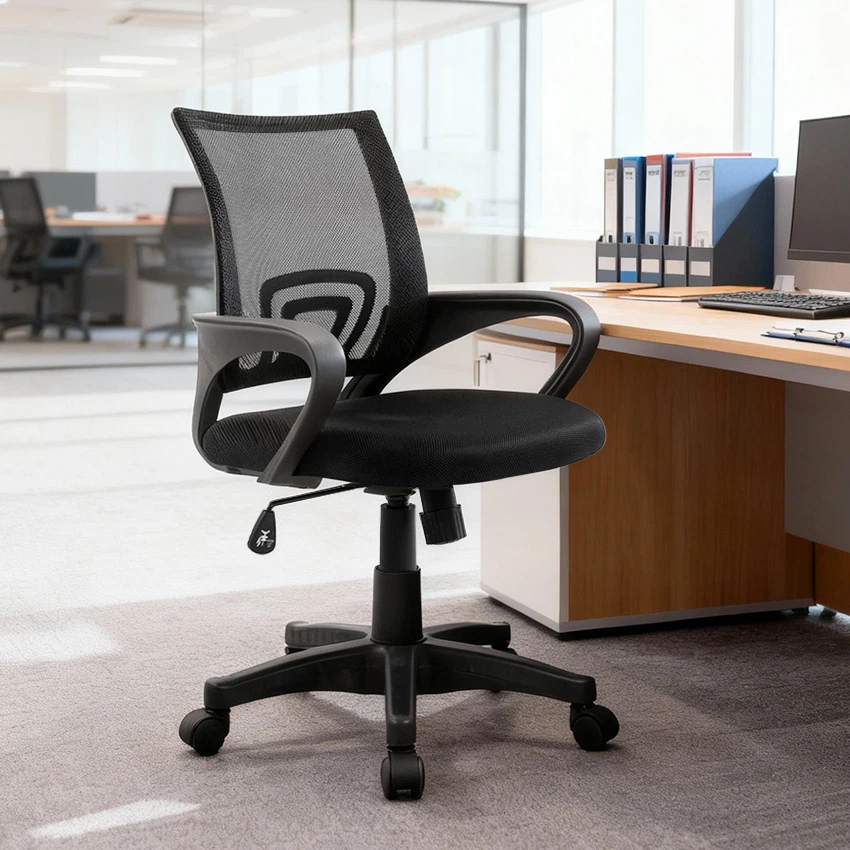
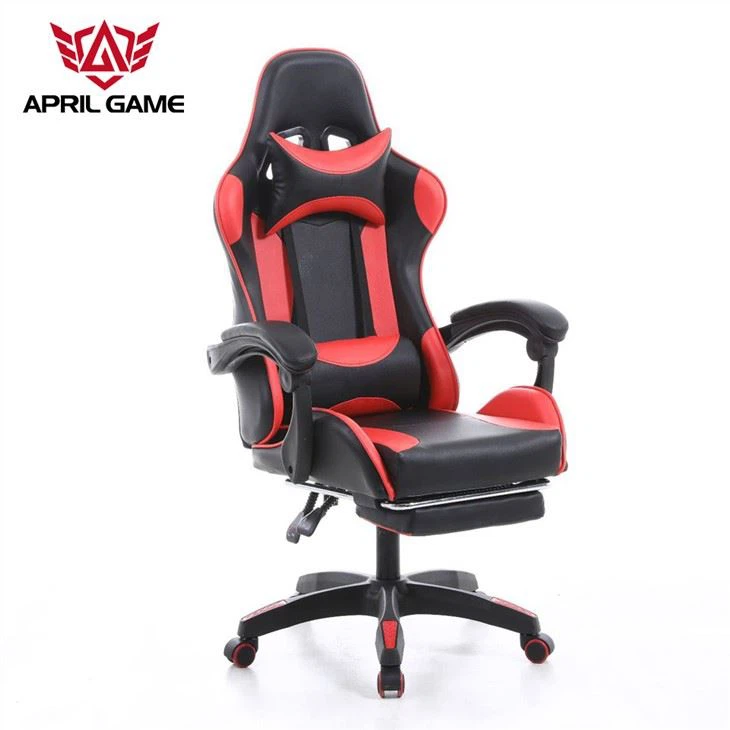
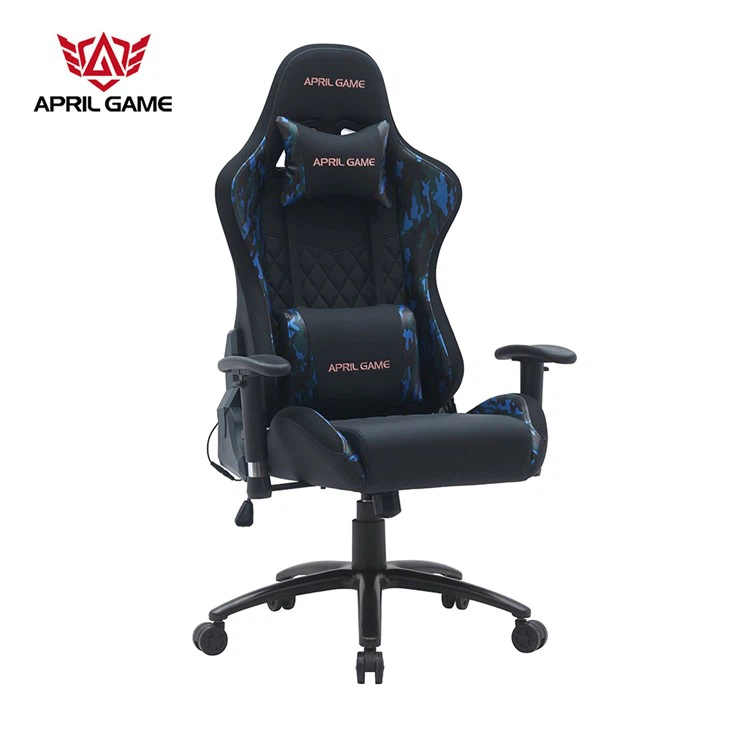
By the way, if you're also interested in office chairs, we have some great options like the Guyou Hot Selling Mesh Swivel Racing Office Chair With Footrest and the Y - 1840 modern fashion lint computer office chair, and the Y - 1855 modern fashionable black PU chair/cheap office chair.
Conclusion
So, there you have it – a crash course on the density of the foam in fabric bar stools. It's a crucial factor that can make a huge difference in the comfort and longevity of your stools. Whether you're a bar owner, a restaurant manager, or just looking to spruce up your home bar, understanding foam density will help you make an informed decision.
If you're in the market for fabric bar stools or any of our other products, don't hesitate to reach out. Let's have a chat about your needs, and I'm sure we can find the perfect solution for you.
References
- "Foam Basics: Understanding Density and Its Impact on Comfort and Durability." Foam Industry Journal.
- "Choosing the Right Foam for Your Furniture." Furniture Today Magazine.


