
















Hey there! I'm working as a conference chair supplier, and I've witnessed the ins and outs of both large - scale and small - scale conferences. In this blog, I'll share with you the differences between being a conference chair in these two types of events.
1. Scale and Attendance
Let's start with the obvious difference: the scale. A large - scale conference can attract hundreds or even thousands of attendees. Imagine a huge convention center filled with people from all over the world. It's like a bustling city! On the other hand, a small - scale conference might only have dozens of participants, more like a cozy gathering.
As a conference chair in a large - scale event, you're dealing with a massive amount of people. You need to make sure that everyone can hear you clearly. This often means using professional sound systems and having multiple microphones set up. For example, in a large auditorium, a single microphone won't do the job. You might need to have lavalier mics for speakers and podium mics for formal presentations.
In a small - scale conference, things are much simpler. You can often get away with just one or two microphones. You can have a more intimate conversation with the attendees, and you don't have to worry about the sound reaching the far - end corners of a large hall.
Another aspect related to scale is the number of sessions and tracks. Large - scale conferences usually have multiple tracks running simultaneously. For instance, there could be tracks on technology, business, and healthcare all happening at the same time. As the conference chair, you need to manage these different tracks, make sure the speakers are on time, and coordinate between the rooms.
In a small - scale conference, there are usually fewer sessions. You can focus on a single topic more in - depth, and you don't have to juggle multiple things at once.
2. Logistics and Planning
Logistics play a huge role in both large - scale and small - scale conferences, but the complexity is very different. In a large - scale conference, you have to deal with a lot of moving parts. You need to book a large venue, arrange for accommodation for the attendees, and manage transportation. You also have to think about catering for a large number of people.
For example, if you're hosting a large - scale tech conference, you need to ensure that there's enough high - speed internet for all the attendees. You might need to work with an IT team to set up a robust network. And when it comes to catering, you have to offer a variety of food options to meet different dietary needs.
In a small - scale conference, the logistics are much more manageable. You can probably find a local venue that's easy to access. You don't have to worry about large - scale accommodation or complex transportation arrangements. The catering can be as simple as ordering some sandwiches and coffee.
When it comes to planning, large - scale conferences require a long - term plan. You need to start months or even a year in advance. You have to secure sponsors, invite high - profile speakers, and promote the event widely.
Small - scale conferences can be planned in a shorter time frame. You can focus on a niche audience and use more targeted marketing strategies. For example, you might send out personal invitations to a select group of people.
3. Speaker Management
Speaker management is another area where large - scale and small - scale conferences differ. In a large - scale conference, you have a large pool of speakers. You need to review their proposals carefully, select the most relevant ones, and communicate with them well in advance.


You also have to manage their schedules. Since there are multiple tracks, you need to make sure that the speakers don't clash with each other. And you have to provide them with all the necessary information about the venue, the technical requirements, and the time limits for their presentations.
In a small - scale conference, you can have a more personal relationship with the speakers. You can have in - depth discussions with them about their topics and help them prepare their presentations. Since there are fewer speakers, it's easier to manage their schedules and ensure that everything runs smoothly.
4. Audience Engagement
Audience engagement is crucial in both types of conferences, but the methods are different. In a large - scale conference, you can use technology to engage the audience. For example, you can use live polling, Q&A apps, and social media to get the audience involved. You can also have panel discussions and group activities to encourage interaction.
In a small - scale conference, you can have more face - to - face interactions. You can walk around the room, have one - on - one conversations with the attendees, and create a more relaxed and friendly atmosphere.
5. Our Conference Chairs
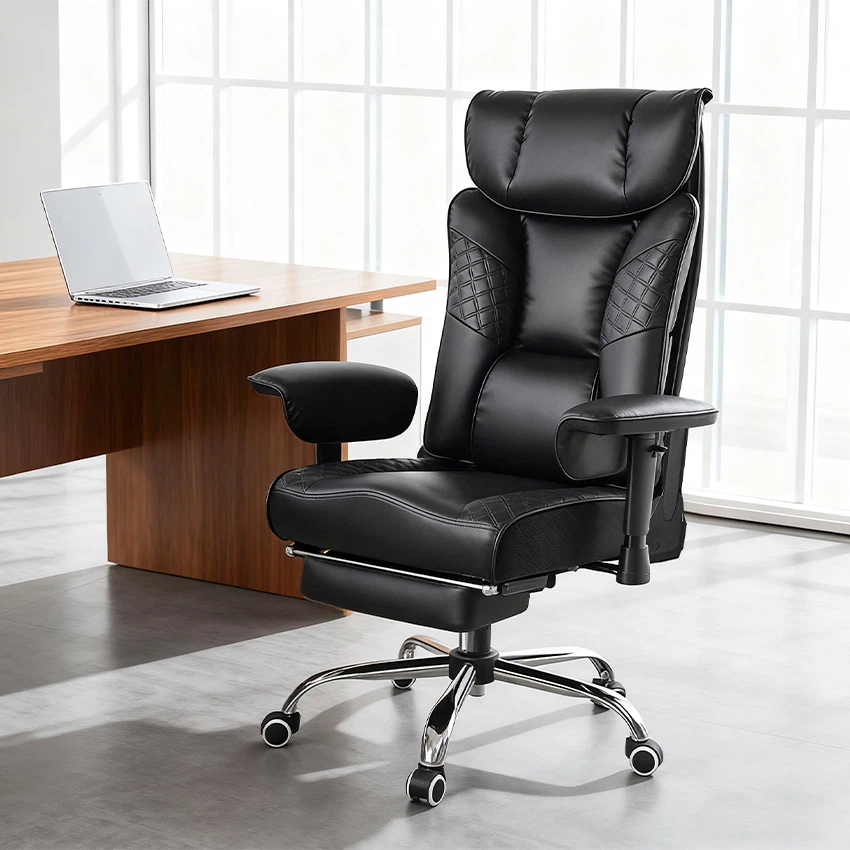
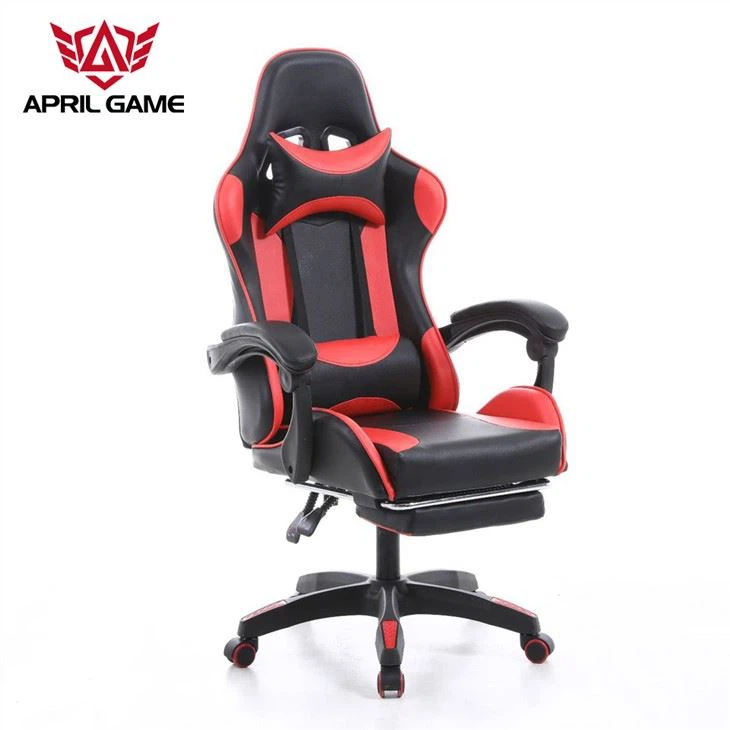
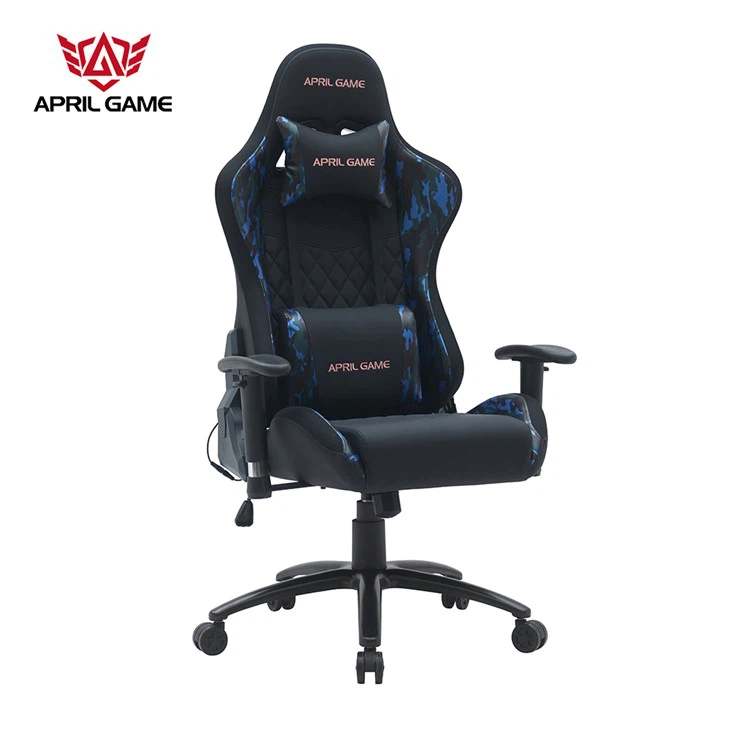
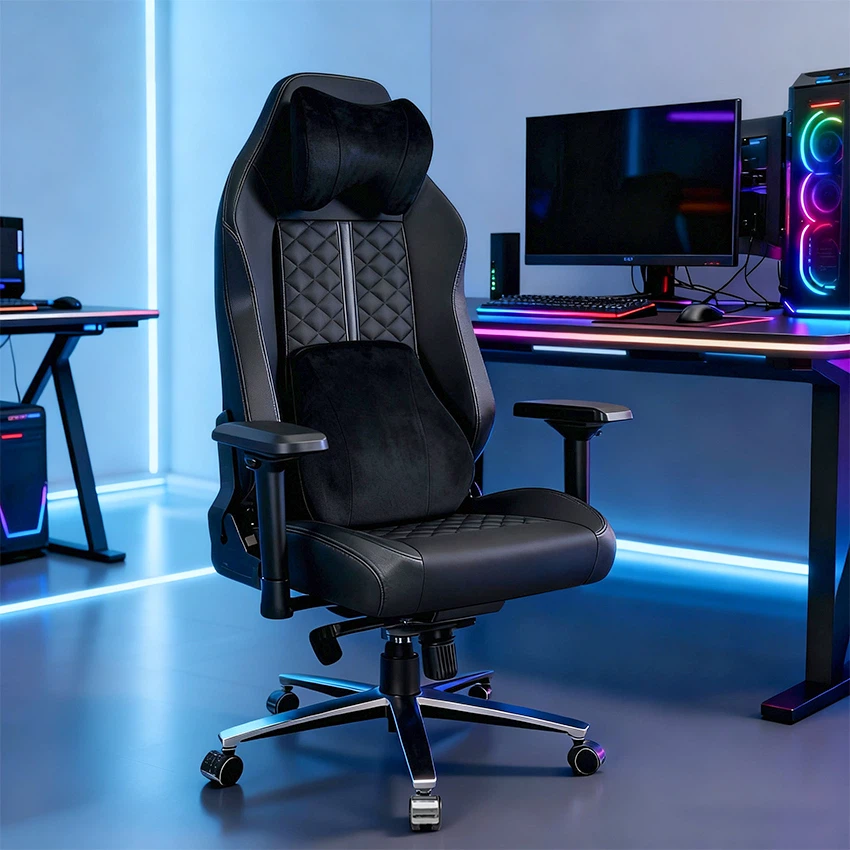
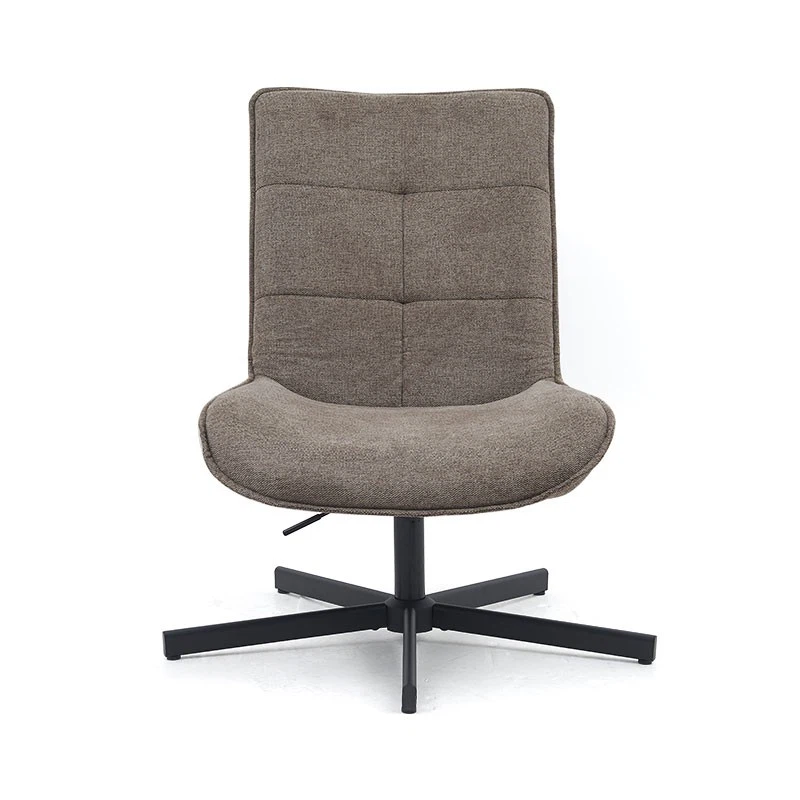
As a conference chair supplier, we offer a wide range of chairs suitable for both large - scale and small - scale conferences. For large - scale events, we recommend the GUYOU Y - 2655 Wholesale New Design Dota 2 Gaming Office Chair. These chairs are not only comfortable but also durable, which is important when you have a large number of people using them.
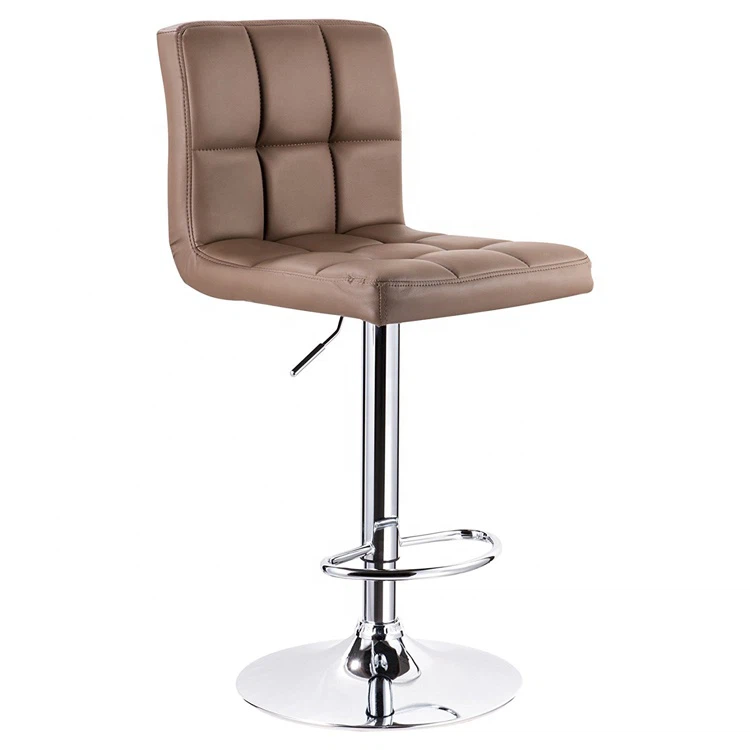
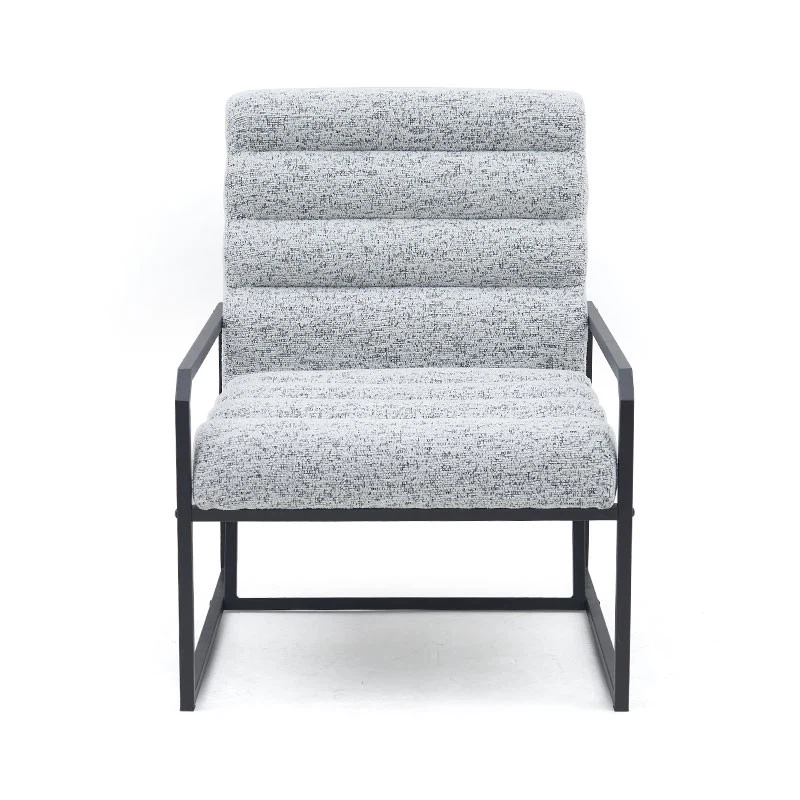
For small - scale conferences, the Leisure Accent Chair Upholstered Seat Chairs X - 5108 is a great choice. They provide a cozy and comfortable seating option, perfect for a more intimate gathering.
And if you're looking for something for a more casual or youth - oriented event, our Turtle Style Kid Gaming Chair could be a fun addition.
6. Contact for Purchase
If you're planning a conference, whether it's large - scale or small - scale, and you're in need of high - quality conference chairs, don't hesitate to reach out. We're here to help you find the perfect chairs for your event. We can offer you competitive prices and excellent service.
References
- Smith, J. (2019). Conference Management: Best Practices. New York: Conference Press.
- Johnson, A. (2020). The Art of Speaker Management. London: Event Publishing.


