

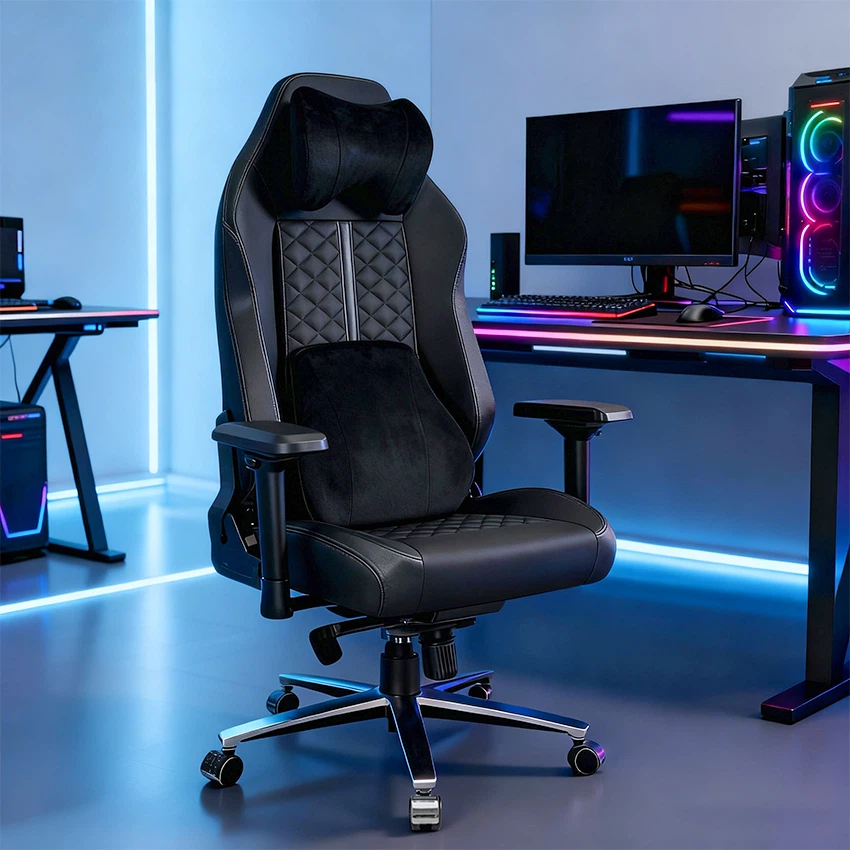

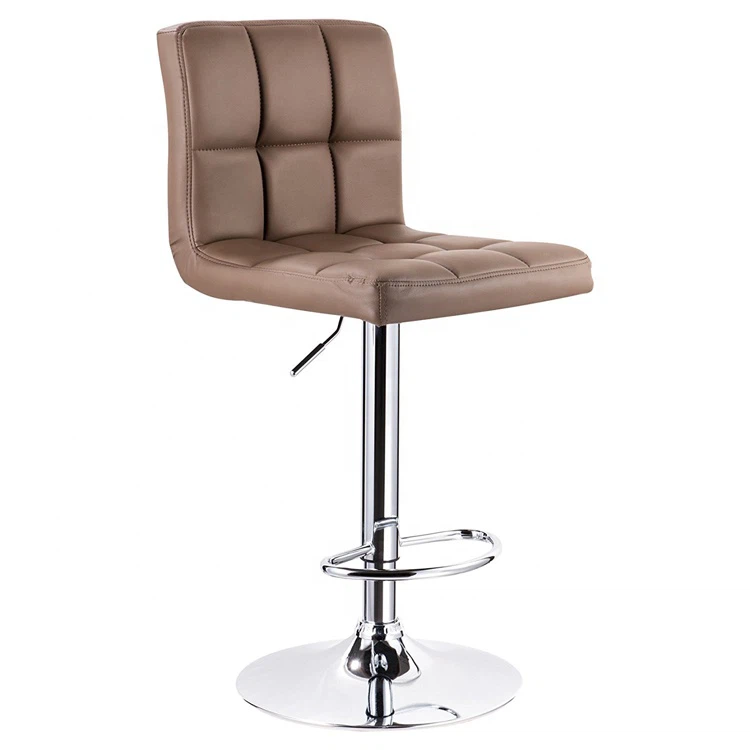


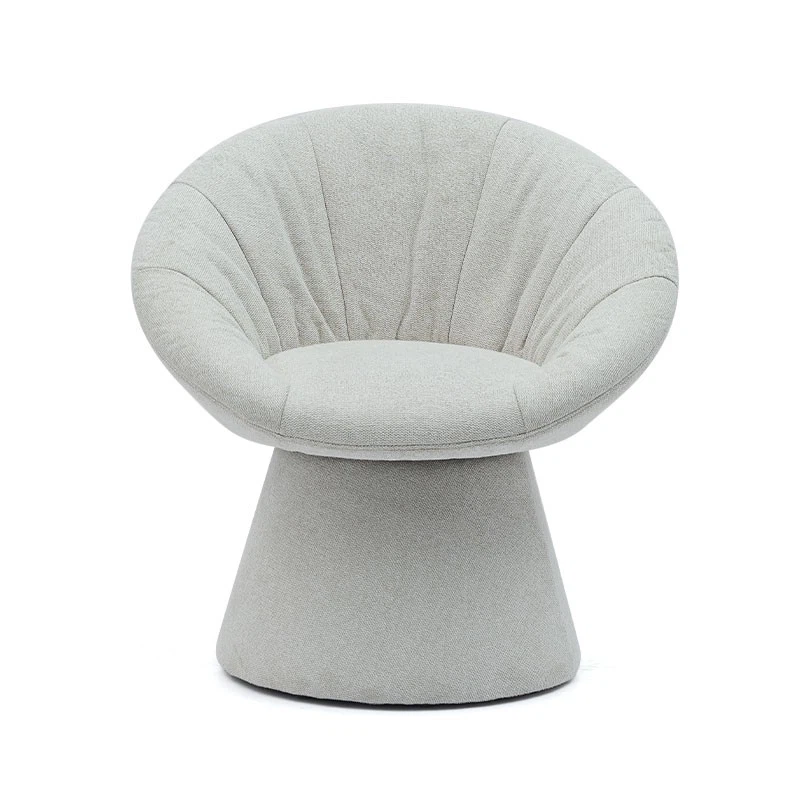
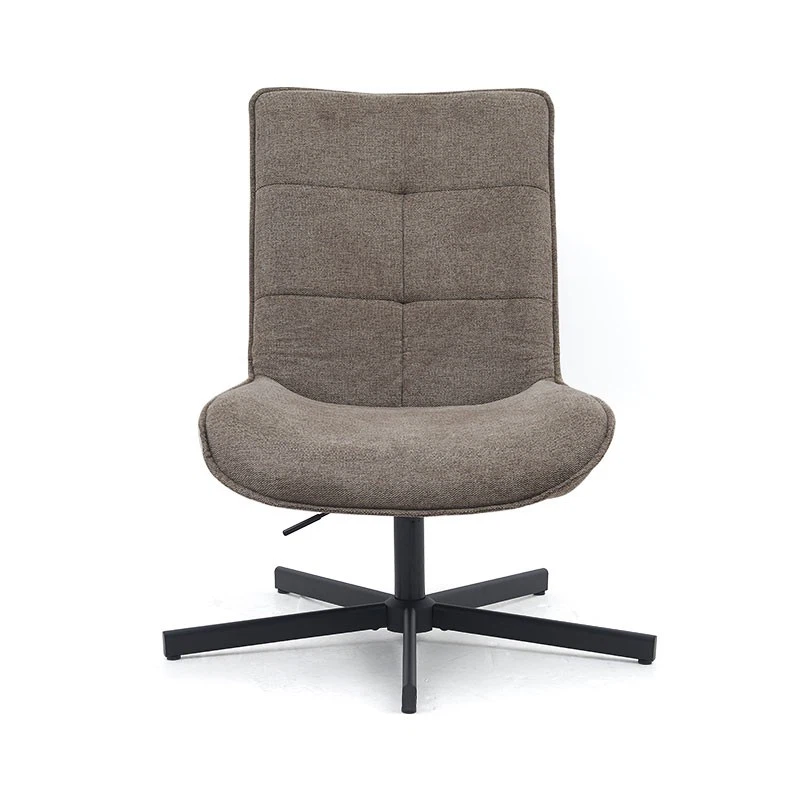




Enhancing the stability of an acrylic bar stool is a crucial aspect that not only affects the user experience but also the overall reputation of a supplier like me. In this blog, I'll share some effective ways to improve the stability of acrylic bar stools based on my experience in the industry.
Understanding the Factors Affecting Stability
Before diving into the solutions, it's essential to understand the key factors that influence the stability of an acrylic bar stool. The design of the base is one of the primary factors. A broader and well - balanced base provides more support and reduces the risk of tipping over. The material and construction of the legs also play a significant role. If the legs are weak or uneven, the stool will be less stable. Additionally, the connection between the seat and the base is crucial; a loose or poorly constructed joint can lead to instability.
Designing a Sturdy Base
The base of an acrylic bar stool is the foundation of its stability. One effective design is a wide - spread base. A base with a wider diameter distributes the weight of the user more evenly, reducing the pressure on any single point. For example, a circular base with a larger radius can provide better balance compared to a narrow or small - sized base.
Another option is a multi - leg base design. A three - or four - leg base can offer excellent stability. When the legs are evenly spaced around the base, they create a stable platform. The angle at which the legs are attached to the base also matters. Legs that are angled slightly outward can increase the stool's footprint and enhance stability.
Choosing High - Quality Materials for Legs
The material of the legs is vital for the stability of the bar stool. Acrylic itself can be used for the legs, but it's important to ensure that the acrylic is of high quality. High - grade acrylic is more durable and less likely to crack or break under stress.
In some cases, combining acrylic with other materials can also improve stability. For instance, using metal inserts or reinforcements inside the acrylic legs can add strength. Metal is known for its high strength - to - weight ratio, and it can help the legs withstand the forces exerted on the stool.
Strengthening the Seat - Base Connection
A strong connection between the seat and the base is essential for the overall stability of the bar stool. One way to achieve this is by using high - quality fasteners. Screws, bolts, and nuts made of strong metals like stainless steel can provide a secure connection.
Another method is to use adhesives in addition to mechanical fasteners. Specialized acrylic adhesives can bond the seat and the base together, creating a more rigid and stable structure. However, it's important to ensure that the adhesive is compatible with the acrylic material to avoid any chemical reactions that could weaken the bond.
Testing and Quality Control
Once the bar stools are manufactured, thorough testing is necessary to ensure their stability. A simple test is to apply pressure to different parts of the stool to see if it wobbles or tips. Suppliers should also conduct weight - bearing tests to ensure that the stools can support the expected load.
Quality control measures should be in place throughout the production process. This includes inspecting the materials before use, checking the dimensions of the parts during manufacturing, and conducting final inspections before shipping. By maintaining high - quality standards, suppliers can ensure that the bar stools they offer are stable and reliable.
The Role of Accessories
In some cases, accessories can also enhance the stability of acrylic bar stools. For example, non - slip pads can be added to the bottom of the legs. These pads increase the friction between the stool and the floor, reducing the risk of the stool sliding or slipping.
Another accessory is a stabilizing ring. A ring placed around the legs near the base can connect the legs together, providing additional support and reducing the chance of the legs spreading or wobbling.
The Connection to Related Products
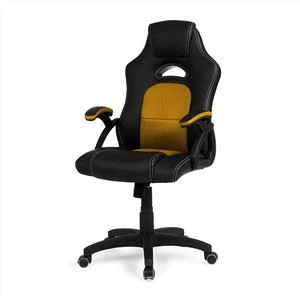
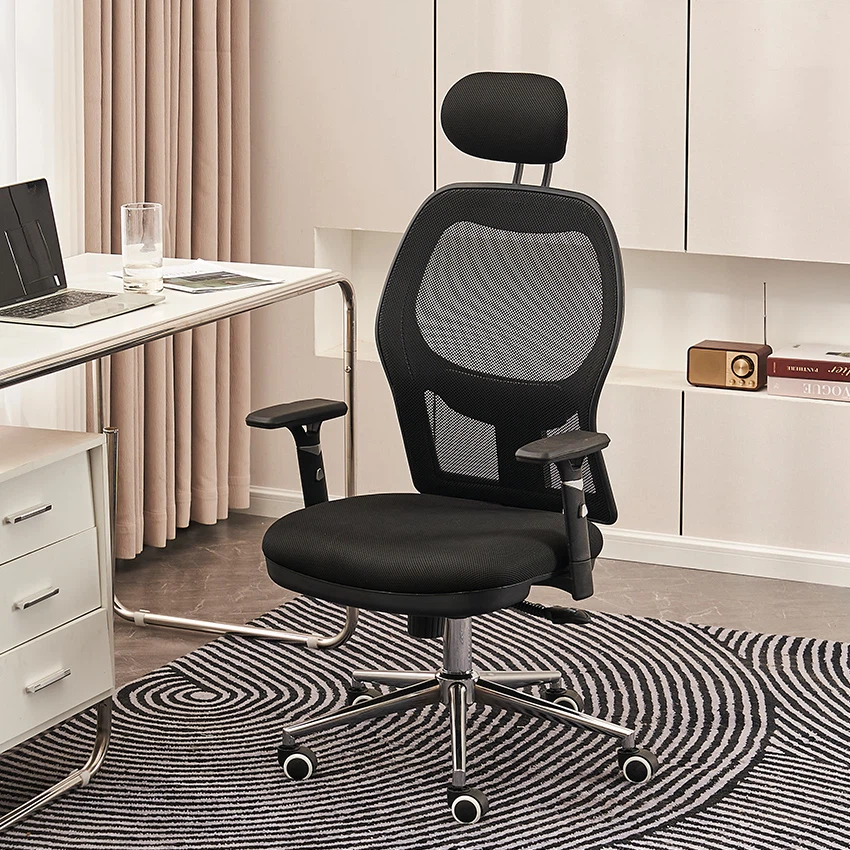
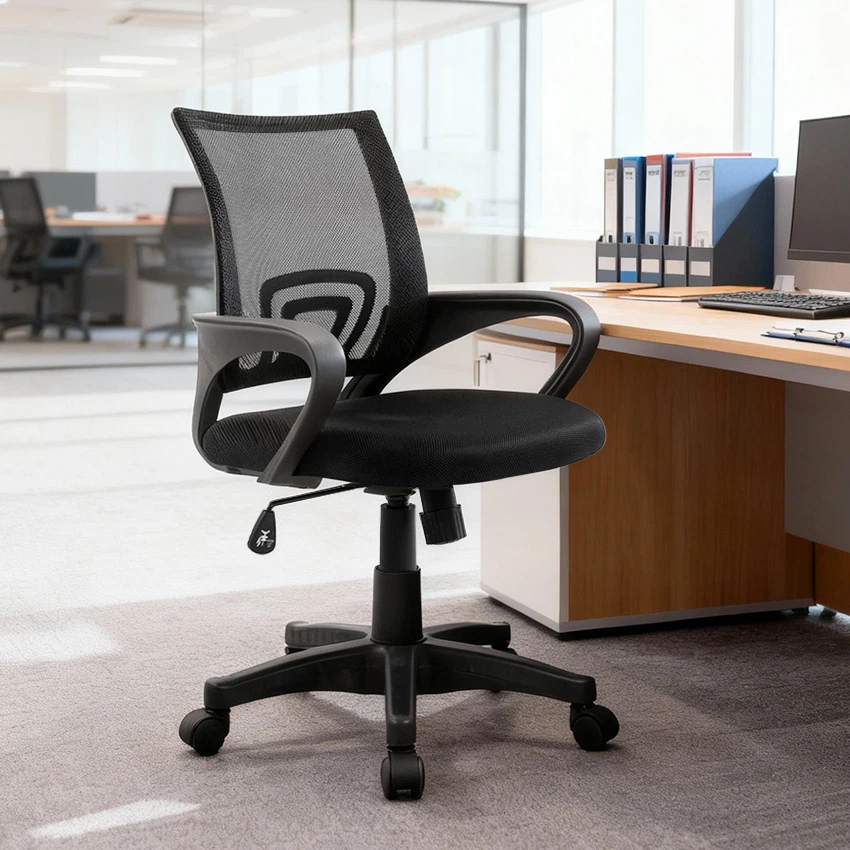
As an acrylic bar stool supplier, we also offer a variety of other furniture products that are designed with stability in mind. For example, the Y - 1825 modern swivel office mesh chair/ mesh lift chair/computer chair is designed to provide excellent support and stability for office use. Its ergonomic design and sturdy base ensure a comfortable and secure sitting experience.
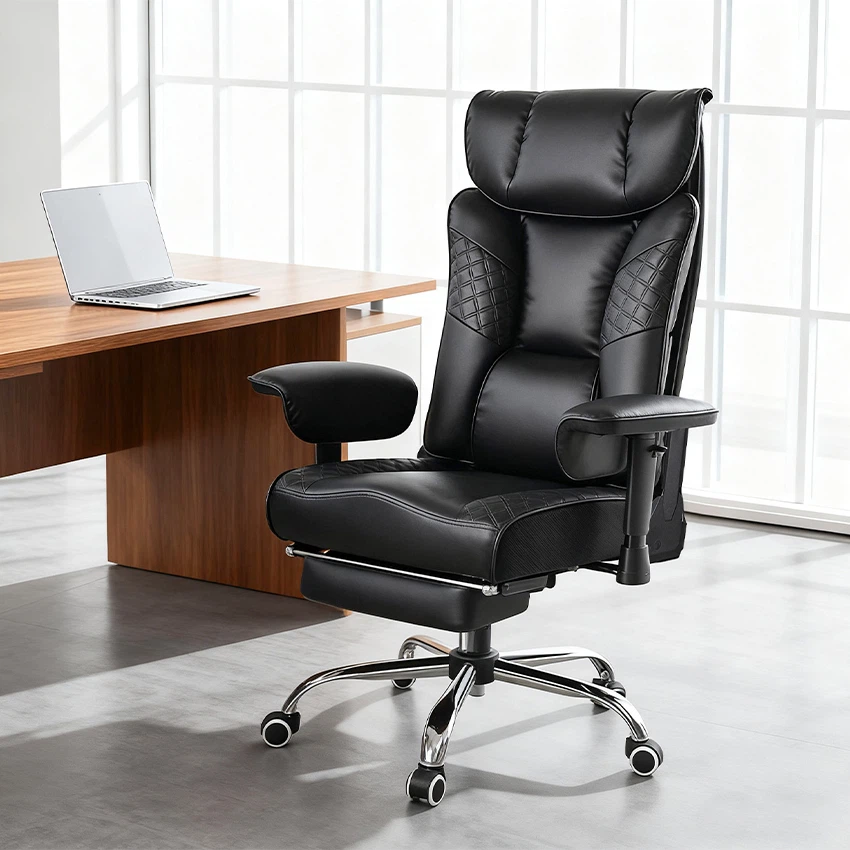
The Y - 2819 High quality wholesale office chair manager chair PU leather chair is another great option that combines style and stability. The high - quality PU leather and well - constructed frame make it a reliable choice for managers and office workers.
And the Y - 2744 New Black Leather Executive Home Office Chair w Chrome is a luxurious and stable chair for home office use. The chrome accents not only add a touch of elegance but also contribute to the chair's overall stability.


Why Choose Our Products
Our acrylic bar stools are designed and manufactured with the highest standards of stability in mind. We use only the best materials and advanced manufacturing techniques to ensure that our stools are strong, durable, and stable. Our team of experts conducts rigorous quality control checks to guarantee that every stool meets our quality standards.
If you're looking for high - quality acrylic bar stools or other furniture products, we are the supplier for you. Whether you're a restaurant owner, a bar manager, or an individual looking for a stylish and stable bar stool for your home, we have the right products for you. Contact us to discuss your requirements and start your procurement process today.
References
- Smith, J. (2020). Furniture Design and Manufacturing. Publisher Name.
- Brown, A. (2019). Materials for Stable Furniture. Journal of Furniture Science, 15(2), 89 - 98.
- Johnson, R. (2018). Testing and Quality Control in Furniture Production. Manufacturing Review, 22(3), 112 - 120.