




















Ensuring the accessibility of a conference for disabled participants is a crucial responsibility for a Conference Chair. As a Conference Chair supplier, I understand the significance of creating an inclusive environment where everyone can fully participate and benefit from the event. In this blog post, I will discuss various strategies and considerations that a Conference Chair can implement to ensure the accessibility of the conference for disabled participants.
1. Physical Accessibility
- Venue Selection: The first step in ensuring physical accessibility is to choose a venue that is wheelchair - accessible. This includes ramps, wide doorways, and accessible restrooms. The venue should also have elevators if there are multiple floors. For example, when selecting a conference hall, check if it has proper signage indicating accessible routes.
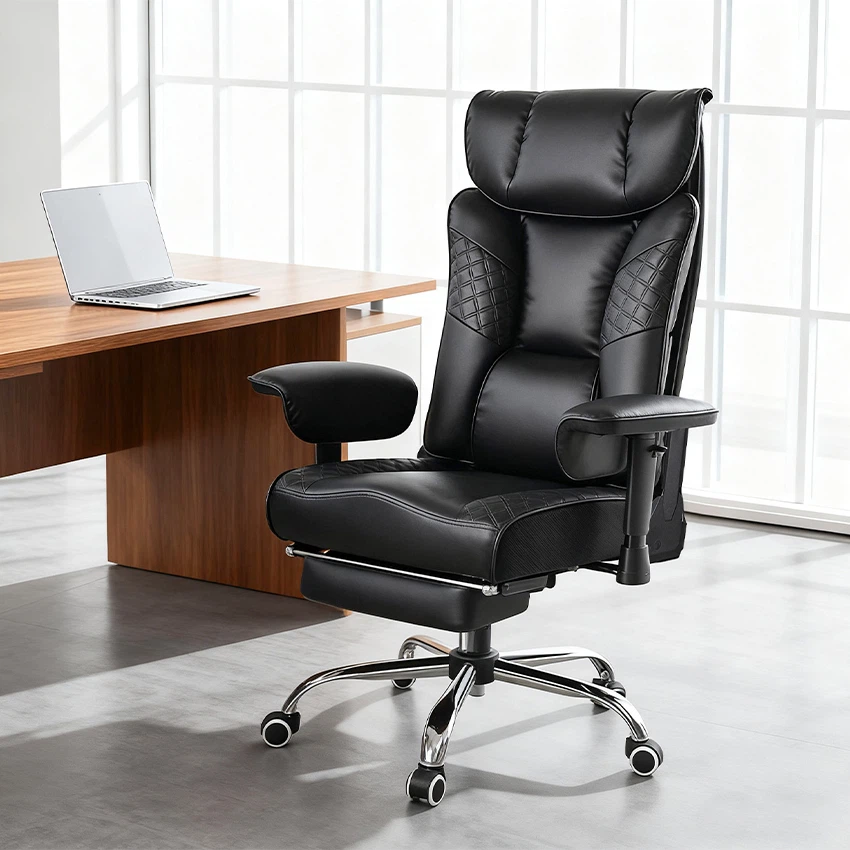
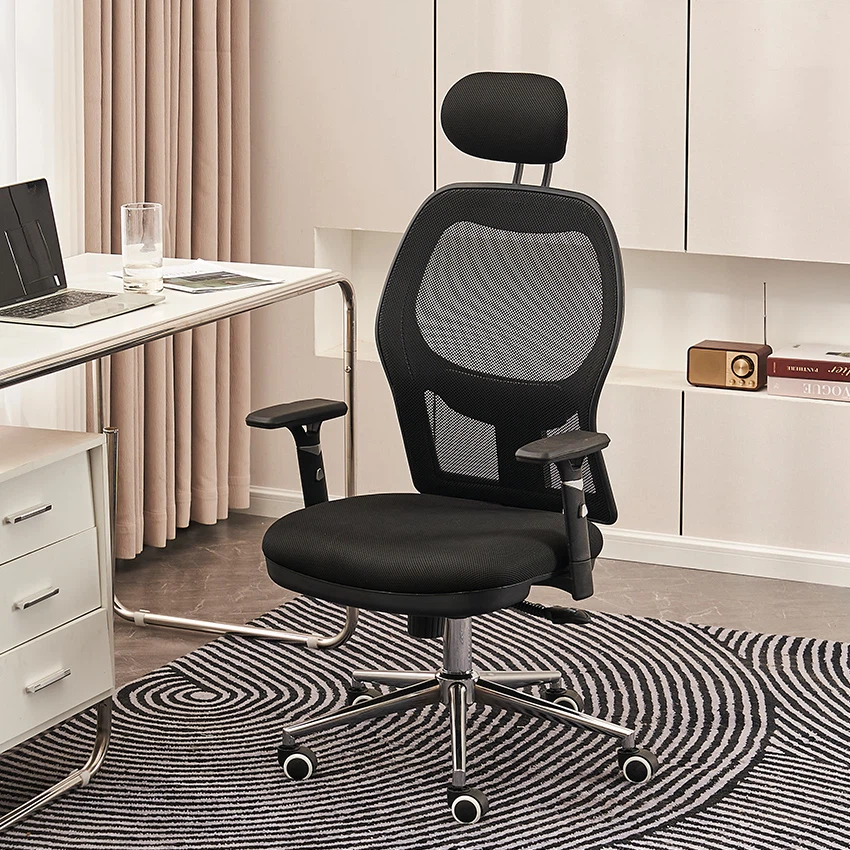
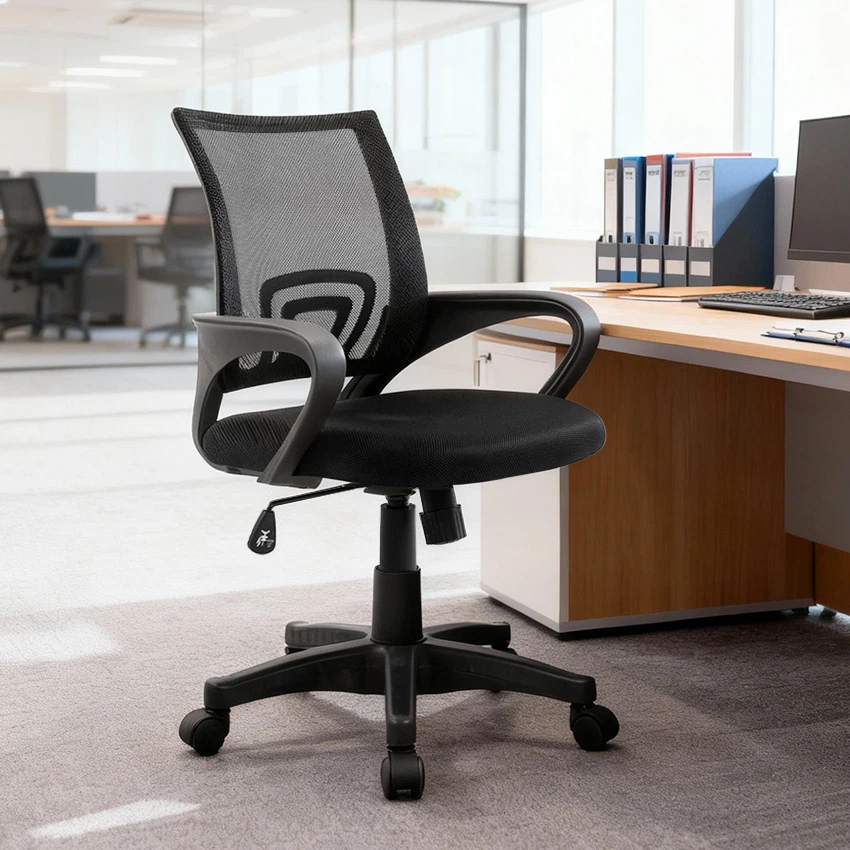
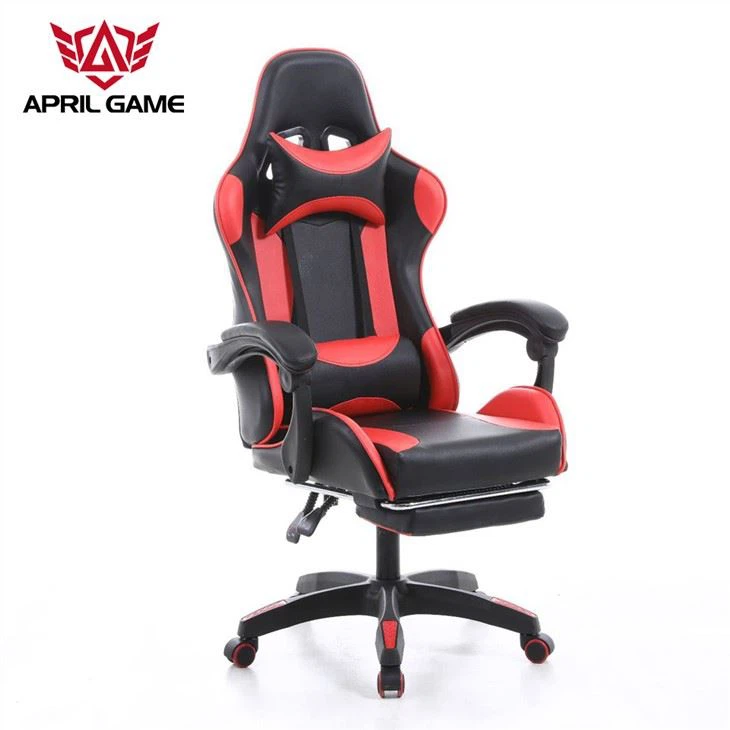
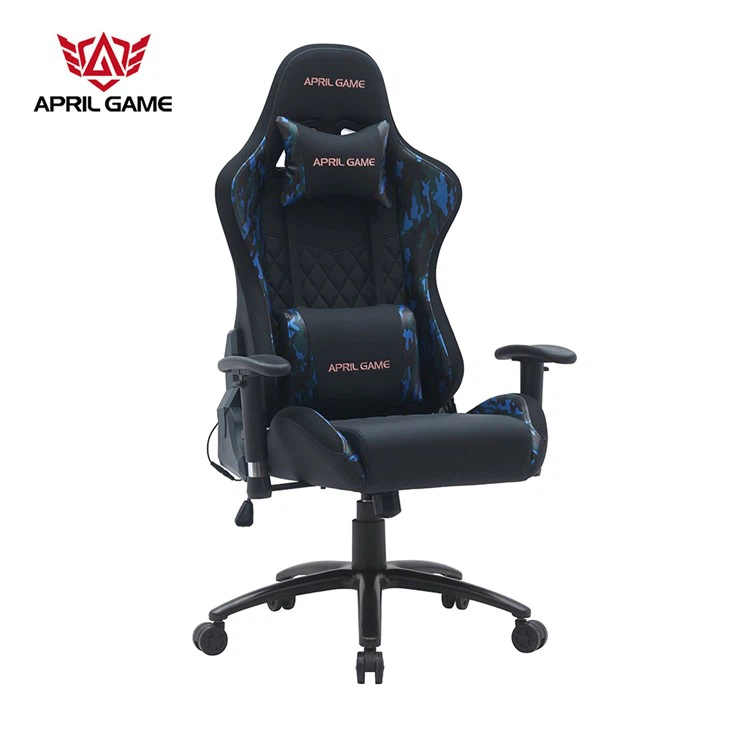
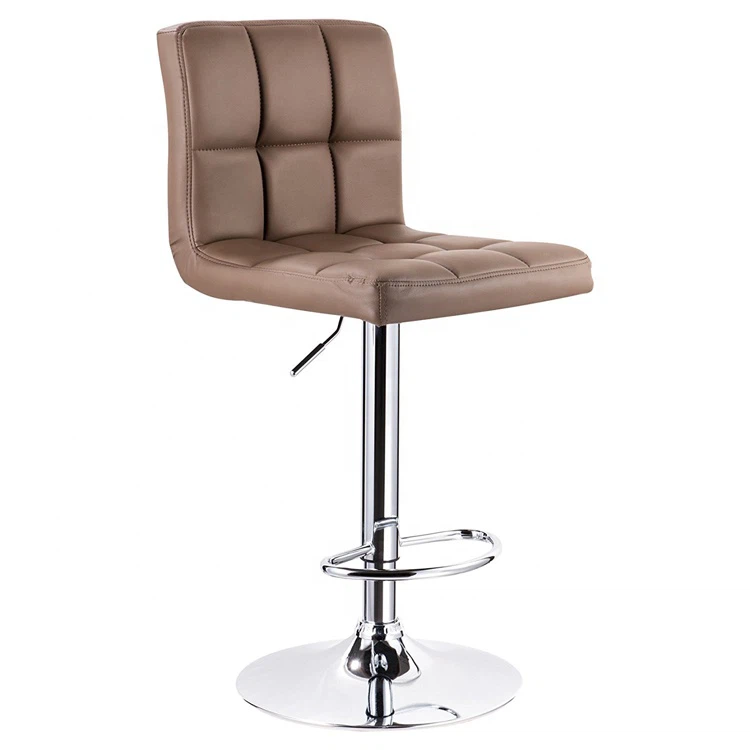
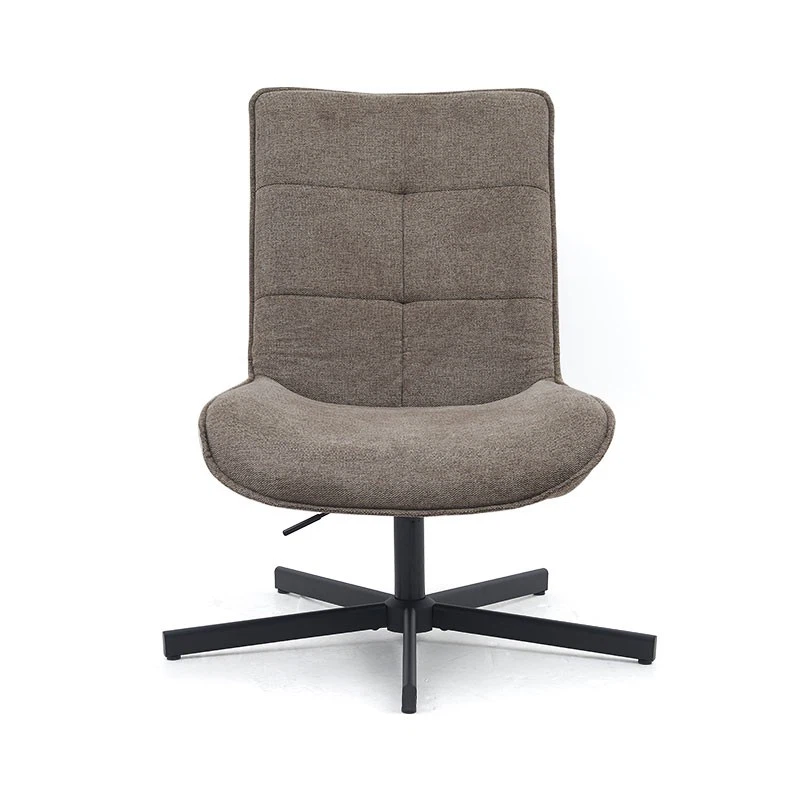
- Seating Arrangements: Provide a variety of seating options to accommodate different needs. Our Y - 2757 Hot Elegant Fashionable Office Swivel Chair with Armrests offers adjustable height and comfortable armrests, which can be beneficial for participants with mobility issues. Additionally, the Y - 1746C Fashion High Back Office Computer Chair with PU Leather provides good back support, which is important for those with back problems.
- Assistive Devices: Make sure the venue is equipped with assistive devices such as wheelchair ramps, grab bars in restrooms, and accessible parking spaces. Consider providing sign language interpreters for deaf or hard - of - hearing participants.
2. Communication Accessibility
- Visual and Auditory Aids: For participants with visual impairments, provide materials in alternative formats such as Braille, large print, or electronic formats. For those with hearing impairments, offer captioning for all presentations or provide assistive listening devices.
- Clear Communication: Use clear and simple language in all communications, including event announcements, presentations, and handouts. Avoid using jargon or complex language that may be difficult for some participants to understand.
3. Information Accessibility
- Website and Registration: Ensure that the conference website is accessible. This means it should be compatible with screen readers and have a clear layout. The registration process should also be easy to navigate for disabled participants.
- Pre - event Information: Provide detailed information about the venue, including accessible entrances, restrooms, and seating arrangements, well in advance. This allows disabled participants to plan their attendance and make any necessary arrangements.
4. Staff Training
- Awareness Training: Train all conference staff, including volunteers, on disability awareness. They should be able to assist disabled participants with any needs, such as guiding them to accessible areas or helping with assistive devices.
- Emergency Procedures: Ensure that staff are trained on emergency procedures for disabled participants. This includes knowing how to evacuate participants in wheelchairs or those with other disabilities safely.
5. Dietary and Special Needs
- Dietary Accommodations: Provide a variety of dietary options to accommodate different needs, such as vegetarian, vegan, gluten - free, and kosher. Make sure to ask participants about their dietary requirements during the registration process.
- Special Needs Considerations: Be aware of any other special needs that participants may have, such as the need for a quiet space or additional breaks.
6. Technology Accessibility
- Presentation Technology: Ensure that all presentation technology, such as projectors and audio systems, is accessible. This may include providing captioning for videos or using large - font slides for visual presentations.
- Online Platforms: If the conference has an online component, make sure the online platform is accessible. This includes ensuring that it is compatible with screen readers and has clear navigation.
7. Feedback and Continuous Improvement
- Collect Feedback: After the conference, collect feedback from disabled participants. This can help identify areas for improvement and ensure that future conferences are more accessible.
- Continuous Improvement: Use the feedback to make changes and improvements for future events. This may include upgrading the venue, providing more assistive devices, or improving communication methods.
As a Conference Chair supplier, we are committed to providing high - quality chairs that meet the needs of all participants, including those with disabilities. Our Y - 2590 New Style Adjustable Armrest Gaming Racing Chair is designed with adjustable features that can be customized to individual needs.
If you are planning a conference and want to ensure the accessibility of your event for disabled participants, we are here to help. Our team of experts can provide you with the right chairs and advice on creating an inclusive environment. Contact us to discuss your requirements and let's work together to make your conference a success for everyone.


References
- American Disability Act (ADA) guidelines
- World Health Organization (WHO) disability inclusion resources
- Best practices in accessible event planning from industry associations


