








Are PVC Bar Stools Stain - Resistant?
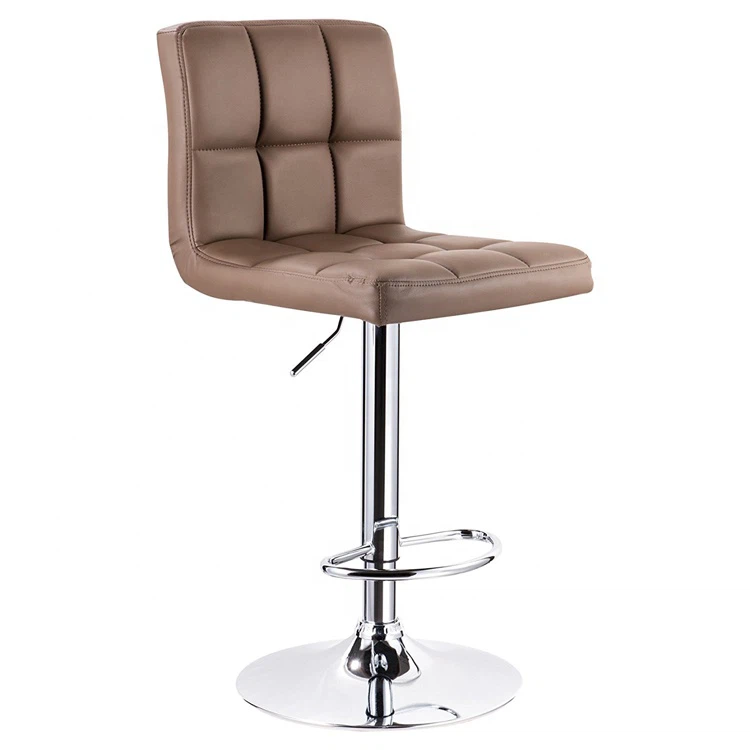
As a PVC bar stool supplier, I've encountered numerous inquiries from customers regarding the stain - resistant properties of our products. This is a crucial concern for many, especially in commercial settings like bars, restaurants, and cafes, as well as in home kitchens where spills are inevitable. In this blog, I'll delve into the science behind PVC and its stain - resistant capabilities, explore the factors that influence stain resistance, and share some tips on maintaining the cleanliness of PVC bar stools.
Understanding PVC
PVC, or polyvinyl chloride, is a widely used synthetic plastic polymer. It is known for its durability, flexibility, and affordability, making it an ideal material for a variety of applications, including bar stools. PVC bar stools are available in a wide range of styles, colors, and designs, making them a popular choice for both modern and traditional interiors.
One of the key properties of PVC is its non - porous surface. Unlike porous materials such as wood or fabric, PVC does not absorb liquids easily. This non - porous nature is the primary reason why PVC bar stools are often considered stain - resistant. When a liquid is spilled on a PVC surface, it tends to sit on top rather than seeping into the material.


Stain - Resistant Capabilities
In general, PVC bar stools are quite resistant to common stains. For instance, water - based stains such as coffee, tea, and juice can usually be wiped off easily with a damp cloth. The smooth surface of PVC does not allow these liquids to penetrate deeply, so a simple cleaning can often remove the stain completely.
Even some oil - based stains can be managed with the right cleaning methods. However, it's important to note that not all stains are created equal. Some stubborn stains, such as ink, paint, or certain types of food dyes, may require more intensive cleaning. In these cases, a mild detergent or a specialized PVC cleaner can be used.
Factors Influencing Stain Resistance
While PVC is inherently stain - resistant, several factors can affect its ability to repel stains.
Quality of PVC: The quality of the PVC used in the bar stools plays a significant role. Higher - quality PVC is more likely to have a more uniform and dense surface, which provides better stain resistance. Cheaper PVC may have imperfections or a less smooth finish, making it more prone to staining.
Surface Finish: The surface finish of the PVC can also impact stain resistance. A glossier finish tends to be more stain - resistant than a matte finish. This is because the smooth, shiny surface makes it easier for liquids to slide off and reduces the likelihood of the stain adhering to the surface.
Exposure Time: The longer a stain is left on the PVC surface, the more difficult it will be to remove. Prompt cleaning is essential to prevent the stain from setting in. For example, if a red wine spill is not cleaned up immediately, the pigments in the wine can start to penetrate the PVC, making it harder to remove completely.
Tips for Maintaining Stain - Resistant PVC Bar Stools
To keep your PVC bar stools looking their best and maintain their stain - resistant properties, here are some useful tips:
Regular Cleaning: Wipe down the bar stools regularly with a damp cloth to remove any dust, dirt, or spills. This simple step can prevent stains from building up over time.
Use Mild Cleaners: When a stain does occur, use a mild detergent or a PVC - specific cleaner. Avoid using abrasive cleaners or scrubbers, as these can scratch the PVC surface and reduce its stain - resistant capabilities.
Avoid Harsh Chemicals: Harsh chemicals such as bleach or ammonia can damage the PVC and make it more susceptible to staining. Stick to gentle cleaning solutions.
Comparing with Other Materials
When comparing PVC bar stools with other materials, such as wood or fabric, PVC has a clear advantage in terms of stain resistance. Wood is a porous material, and stains can penetrate deeply into the grain, making them difficult to remove. Fabric bar stools are also prone to staining, especially if they are not treated with a stain - resistant coating.
However, it's important to note that while PVC is stain - resistant, it may not be completely stain - proof. In some cases, very stubborn stains may still leave a mark, but with proper care and cleaning, the appearance of the bar stools can be maintained.
Other Product Offerings
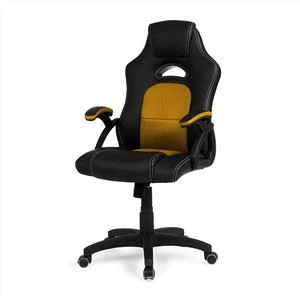
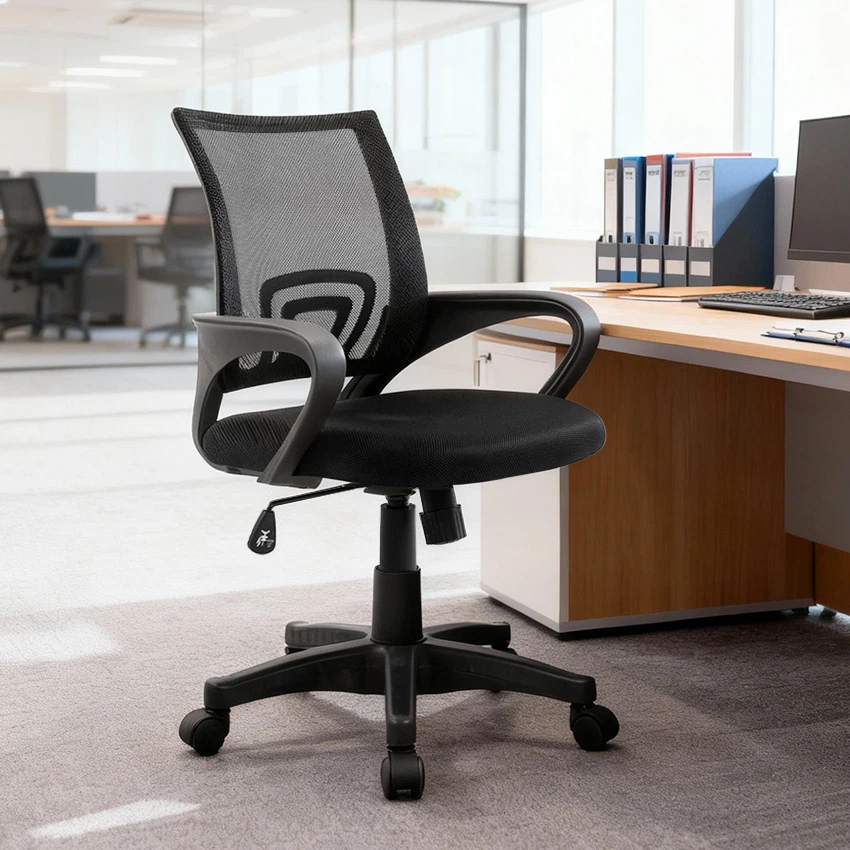
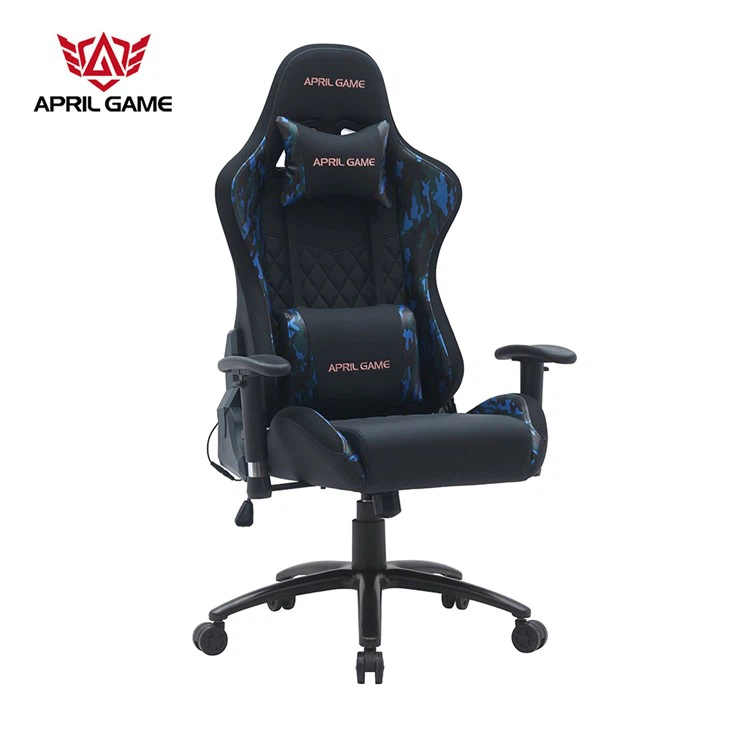
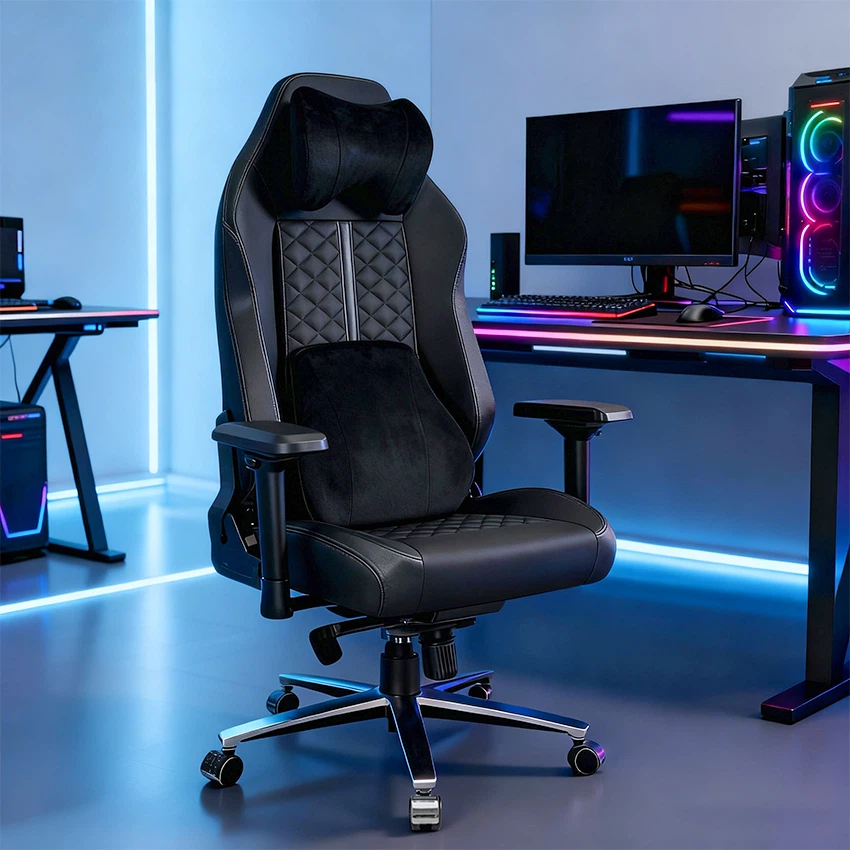
In addition to our high - quality PVC bar stools, we also offer a range of other seating options. For example, we have the Y - 2844 Black manba office chair black manba racer chair, which combines style and comfort. It is perfect for those who are looking for a unique and sporty office chair.
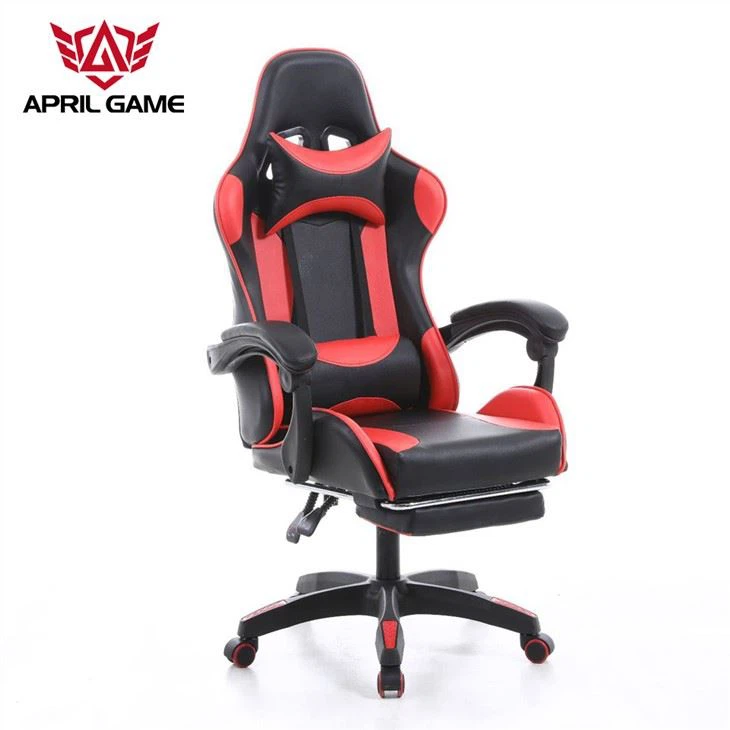
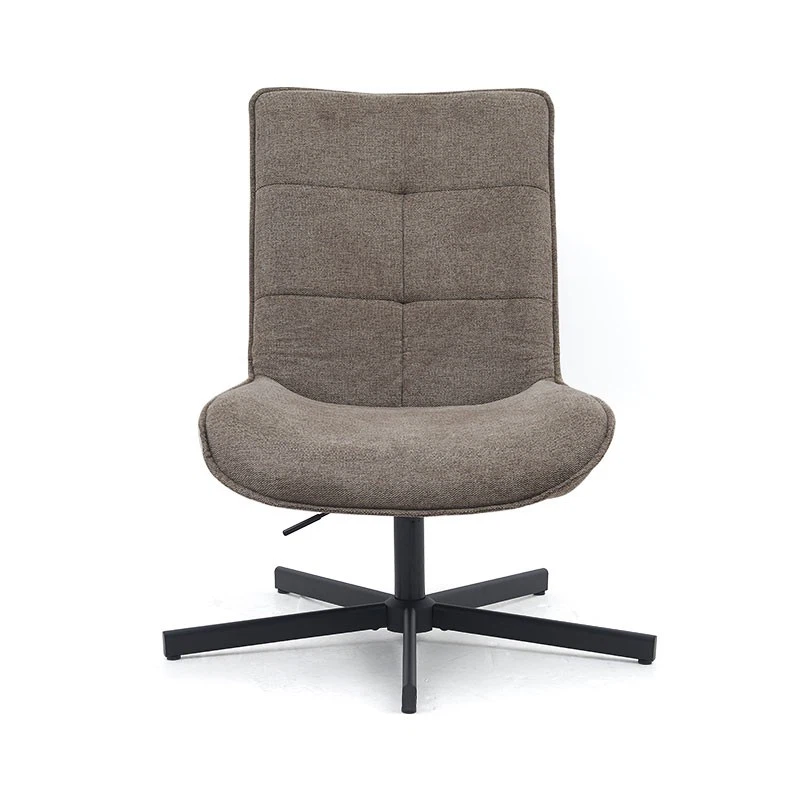
We also provide the Y - 2854 modern fashionable red swivel lift cheap office chair. This chair is not only affordable but also offers great functionality with its swivel and lift features.
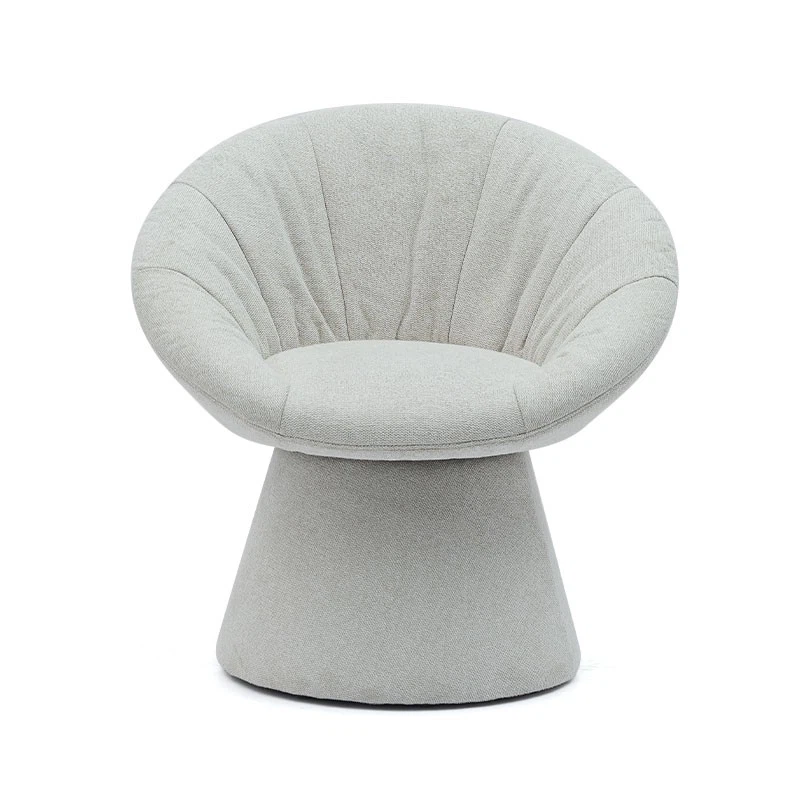
For those who prefer a more elegant and stylish option, our Pink Sillas De Comedor Designers Chairs Nordic Upholstered Dining Office Chair is a great choice. It adds a touch of sophistication to any dining or office space.
Conclusion
In conclusion, PVC bar stools are generally stain - resistant due to the non - porous nature of PVC. However, their stain - resistant capabilities can be influenced by factors such as the quality of PVC, surface finish, and exposure time. By following the tips for maintenance, you can ensure that your PVC bar stools remain in great condition and continue to resist stains effectively.
If you're interested in purchasing our PVC bar stools or any of our other seating products, we welcome you to contact us for a procurement discussion. We are committed to providing high - quality products and excellent customer service.
References
- "Plastics Technology Handbook" by James F. Carley
- "The Science of Polymers" by John E. McGrath