










As a seasoned supplier of ABS bar stools, I've encountered numerous inquiries regarding the heat resistance of these products. This blog aims to delve into the scientific aspects of ABS bar stools' heat resistance, providing you with a comprehensive understanding of their performance under different temperature conditions.
Understanding ABS Material
ABS, or Acrylonitrile Butadiene Styrene, is a widely used thermoplastic polymer known for its excellent mechanical properties, including high impact resistance, good stiffness, and ease of processing. It is a copolymer composed of three monomers: acrylonitrile, butadiene, and styrene. Each monomer contributes to the overall properties of ABS, with acrylonitrile providing chemical resistance, butadiene enhancing toughness, and styrene offering rigidity and processability.
Heat Resistance of ABS
The heat resistance of ABS is a crucial factor to consider, especially in environments where the bar stools may be exposed to high temperatures. ABS has a relatively low heat deflection temperature (HDT), which is the temperature at which a plastic material begins to deform under a specified load. The HDT of ABS typically ranges from 70°C to 100°C (158°F to 212°F), depending on the specific formulation and additives used.
When exposed to temperatures above its HDT, ABS can soften, deform, or even lose its structural integrity. This can lead to issues such as warping, cracking, or a reduction in the stool's load-bearing capacity. Therefore, it is important to avoid exposing ABS bar stools to excessive heat sources, such as direct sunlight, hot surfaces, or open flames.
Factors Affecting Heat Resistance
Several factors can influence the heat resistance of ABS bar stools, including:


- Additives: The addition of heat stabilizers, antioxidants, and other additives can improve the heat resistance of ABS. These additives help to prevent thermal degradation and maintain the material's properties at higher temperatures.
- Thickness: Thicker ABS components generally have better heat resistance than thinner ones. This is because the increased mass provides more insulation and reduces the rate of heat transfer.
- Design: The design of the bar stool can also affect its heat resistance. For example, stools with a larger surface area or a more open structure may dissipate heat more effectively, reducing the risk of overheating.
Practical Applications and Limitations
In most indoor settings, ABS bar stools are suitable for normal use without significant concerns about heat resistance. However, in certain environments where high temperatures are present, such as near a fireplace, a stove, or in a commercial kitchen, it is advisable to choose bar stools made from materials with higher heat resistance, such as metal or wood.
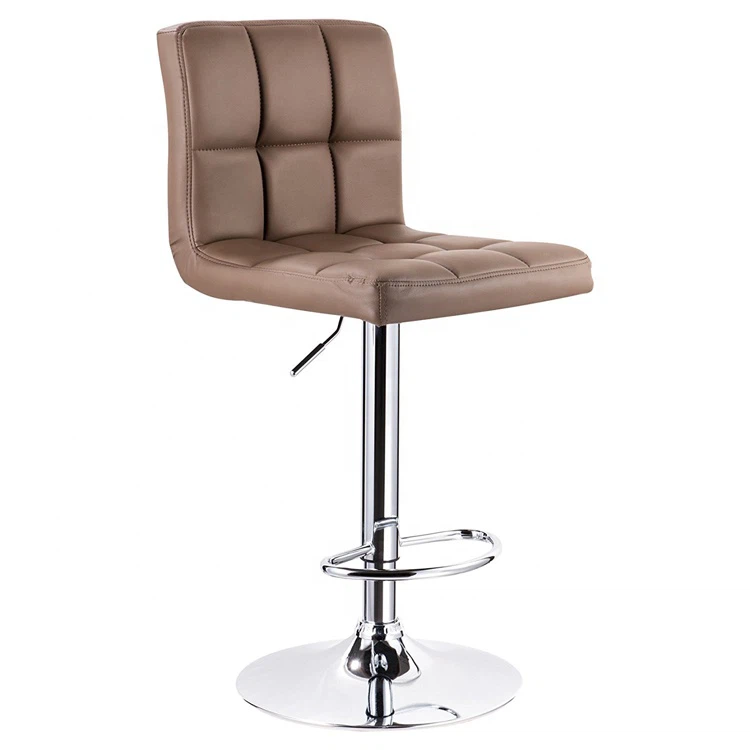
It's important to note that while ABS bar stools may not be suitable for extreme heat conditions, they offer many other advantages, including durability, affordability, and a wide range of design options. For example, our GY-901 bar stool - ABS low back seat,chromed gaslift and base, height adjustable is a popular choice for bars, restaurants, and home entertainment areas due to its comfortable seating and stylish appearance.
Maintenance and Care
To ensure the longevity and performance of ABS bar stools, it is essential to follow proper maintenance and care guidelines. Here are some tips to help you keep your bar stools in good condition:
- Avoid direct sunlight: Prolonged exposure to direct sunlight can cause the ABS material to fade and become brittle. Place your bar stools away from windows or use curtains to block the sun's rays.
- Clean regularly: Use a mild soap and water solution to clean the bar stools. Avoid using abrasive cleaners or solvents, as these can damage the ABS surface.
- Store properly: When not in use, store the bar stools in a cool, dry place. Avoid stacking them on top of each other, as this can cause deformation.
Conclusion
In conclusion, while ABS bar stools have a limited heat resistance compared to some other materials, they are still a practical and popular choice for many applications. By understanding the factors that affect their heat resistance and following proper maintenance and care guidelines, you can ensure that your ABS bar stools provide long-lasting comfort and style.
If you're interested in purchasing ABS bar stools or other furniture products, we offer a wide range of options to suit your needs. Our X-5108 Upholstered Luxury Velvet Leather Custom Color Ding Chair and Y-2631 High Back Luxry Pu Leather Boss Office Chair are just a few examples of our high-quality products. Contact us today to discuss your requirements and explore our product range. We look forward to working with you to find the perfect furniture solutions for your space.
References
- "Plastics: Materials and Processing" by Donald R. Paul and Christopher B. Bucknall
- "Engineering Plastics: Properties and Applications" by John A. Brydson


