

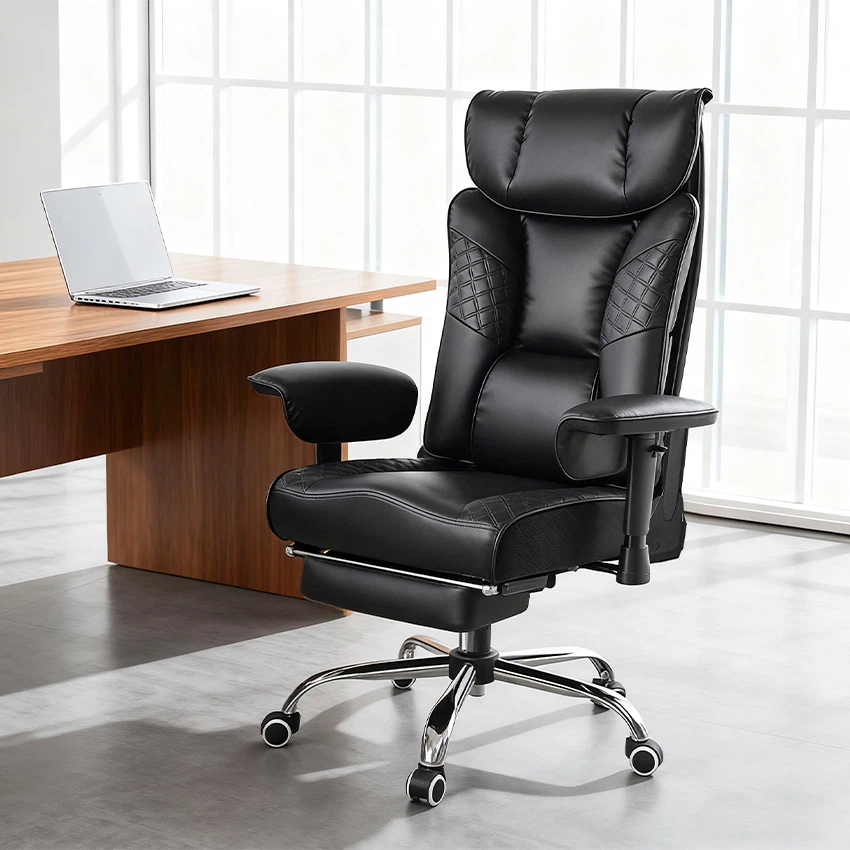

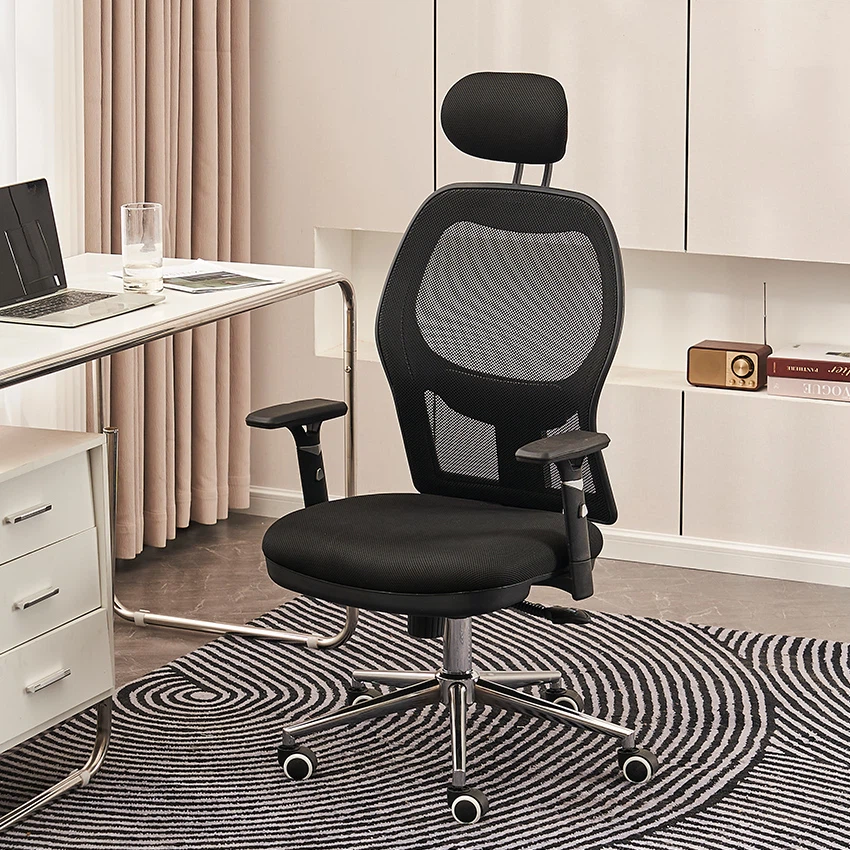
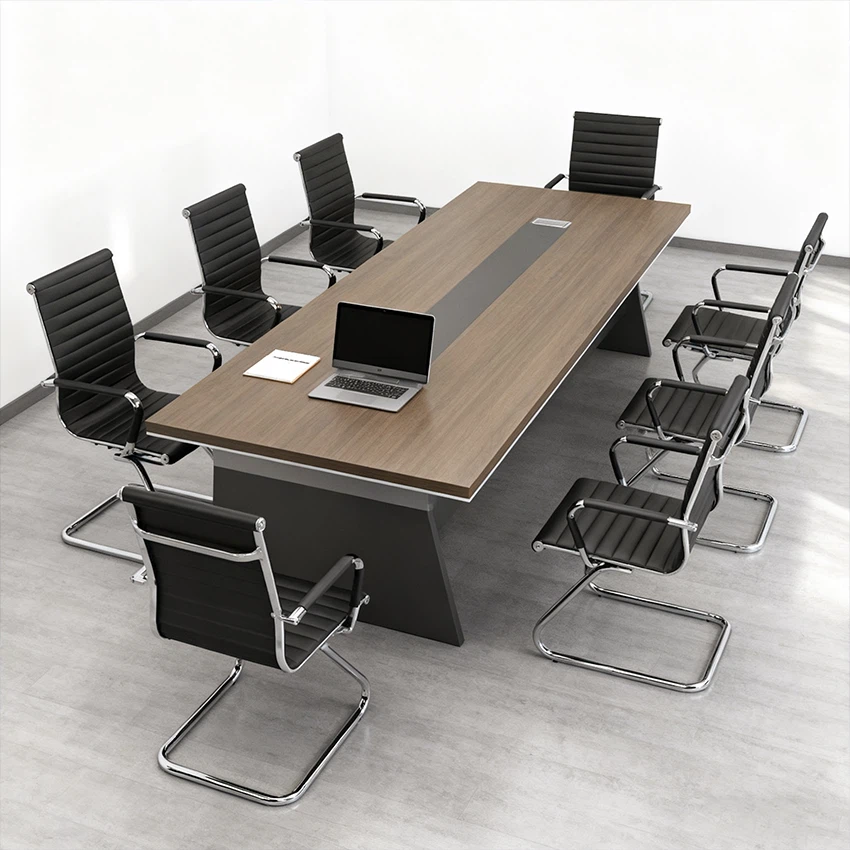
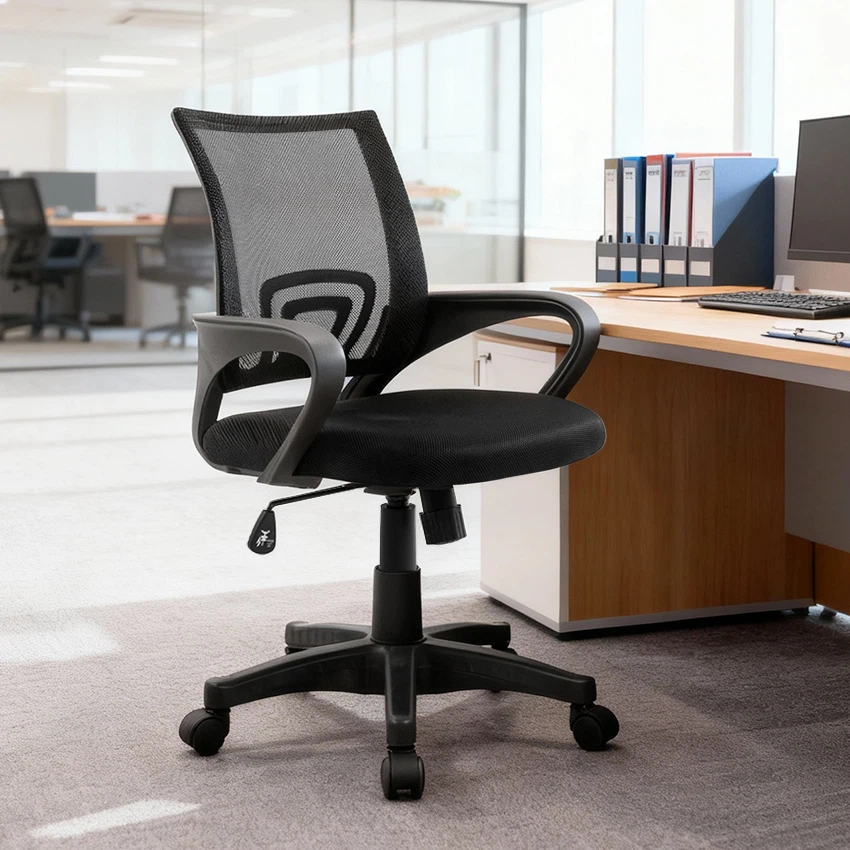


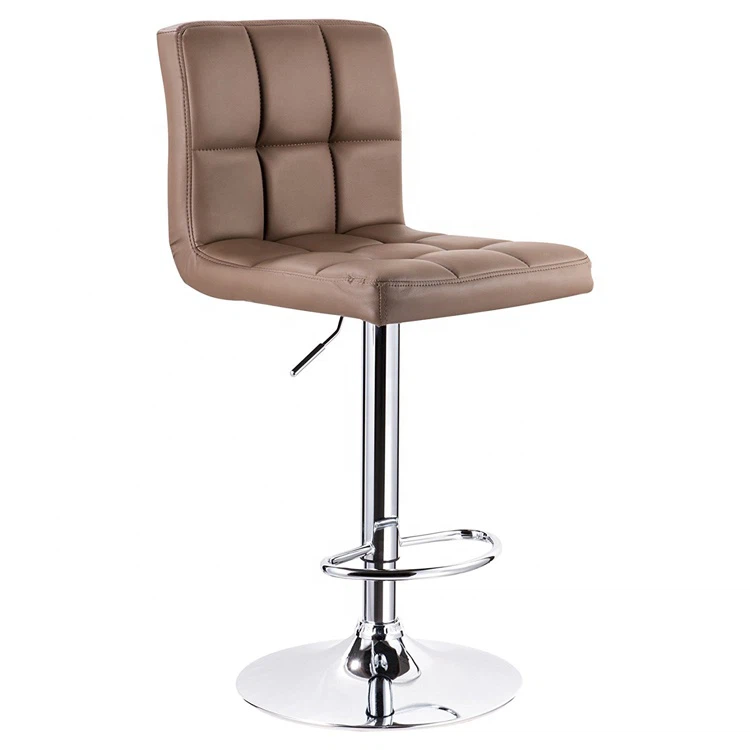


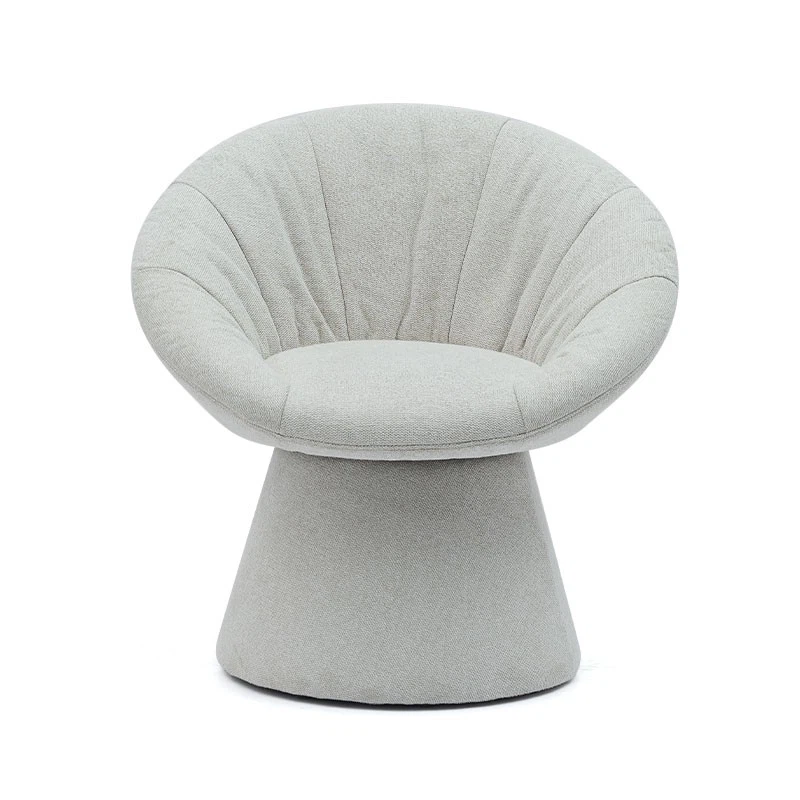
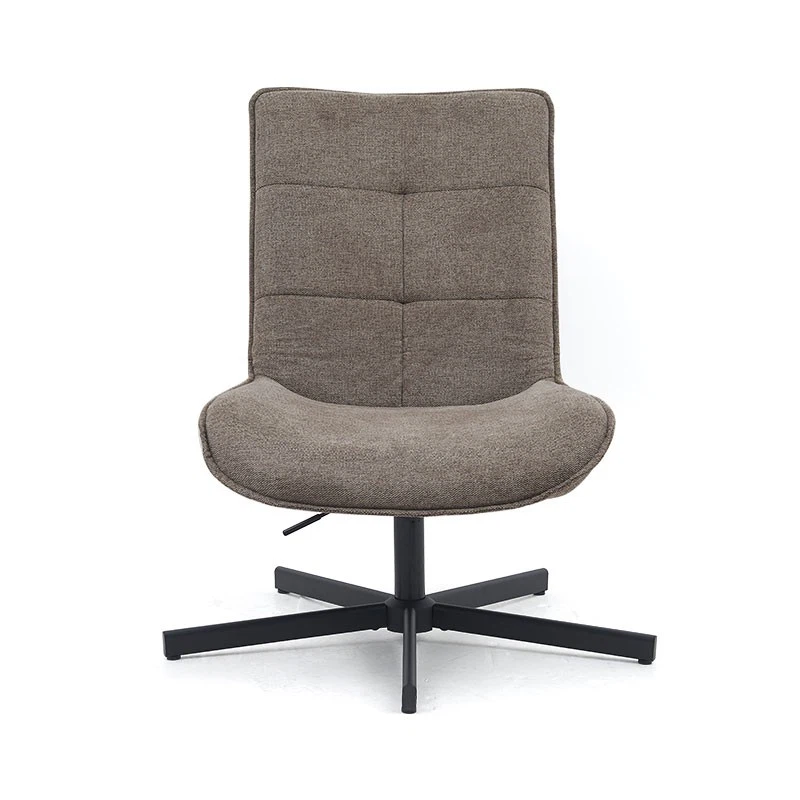
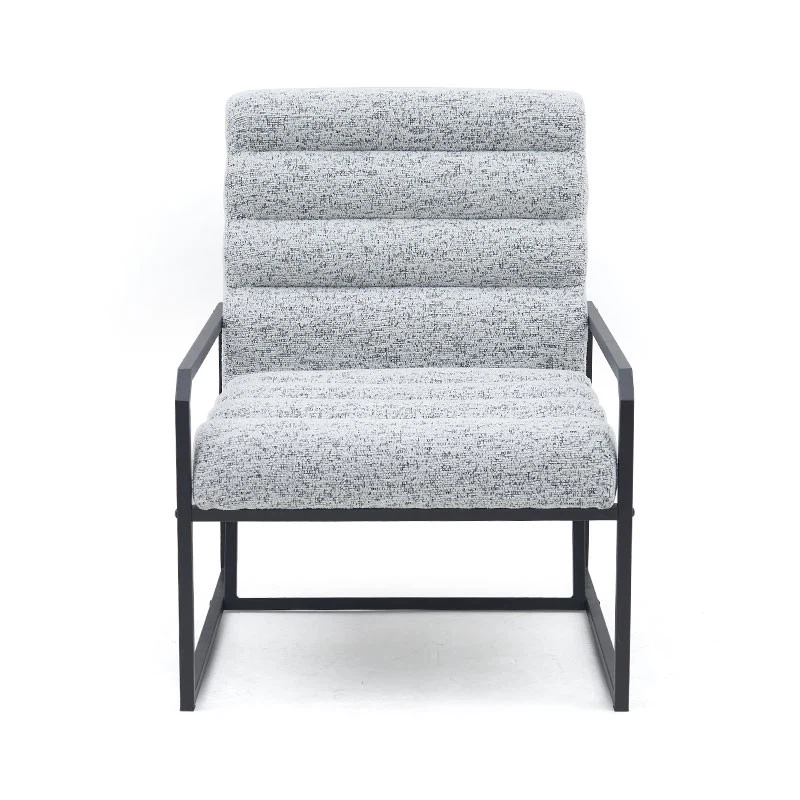





The optimal height for sitting in an office chair depends on various factors, including individual preferences and the type of work being done.
Ergonomics:
Sitting High: Adjusting your chair to a higher position can be beneficial for maintaining proper ergonomic alignment. This may help reduce strain on your lower back, neck, and shoulders.
Sitting Low: Some individuals find sitting lower more comfortable, and it may be suitable for tasks that don't require a lot of desk space or precise movements.
Task Type:
Sitting High: If your work involves a lot of typing, writing, or other tasks that require a higher desk or table, sitting in a higher position might be more practical.
Sitting Low: For tasks that involve more relaxed activities, such as reading or talking on the phone, a lower chair position might be comfortable.
Body Height:
Sitting High: Taller individuals may find it more comfortable to sit in a higher position to ensure their legs are adequately supported and their knees are at a comfortable angle.
Sitting Low: Shorter individuals might prefer a lower chair height to ensure their feet are flat on the floor and their knees are at a comfortable angle.
Comfort and Preference:
Sitting High: Some people simply feel more comfortable and focused when sitting in a higher position, as it can provide a sense of authority and better visibility.
Sitting Low: Others may prefer a more relaxed and casual feel, opting for a lower chair position for increased comfort during extended periods of sitting.
Health Considerations:
Sitting High: Proper ergonomics, including a higher chair position, can contribute to better posture and may help prevent discomfort or pain associated with prolonged sitting.
Sitting Low: For individuals with specific health conditions, such as back pain, sitting in a lower position may be more comfortable and alleviate pressure on certain areas.


