










As a bar stool supplier, I've witnessed the transformative power of a fresh coat of paint on plastic bar stools. Painting a plastic bar stool is not only a cost - effective way to refresh its appearance but also a creative endeavor that allows you to customize it to fit any decor. In this guide, I'll walk you through the step - by - step process of painting a plastic bar stool, sharing tips and tricks along the way.


Step 1: Gather Your Materials
Before you start painting, you'll need to gather the necessary materials. Here's a list of what you'll need:
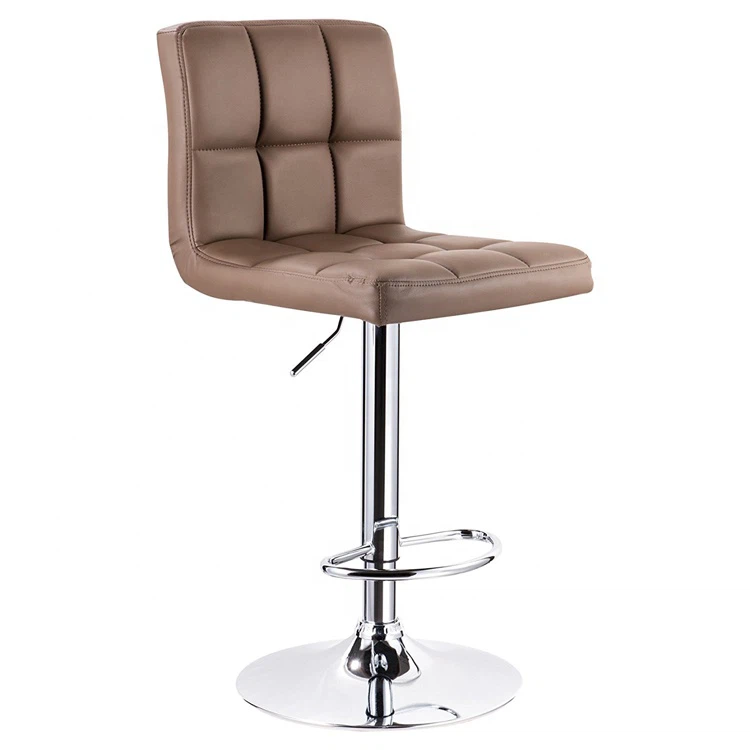
- Plastic Bar Stool: Of course, you need the stool itself. You can check out our selection of high - quality bar stools such as the GUYOU GY - 629 High Back Nail Beauty Salon Without Armrests Fabric Bar Stool, China Manufacturer Good Quality Modern Pu Leather Bar Stool, and GY - 801 PVC Bar Stool.
- Sandpaper: Medium - grit (around 120 - 150) and fine - grit (220 - 320) sandpaper. Sanding helps the paint adhere better to the plastic surface.
- Cleaning Supplies: Mild dish soap, water, and a clean cloth or sponge. You'll use these to clean the stool before painting.
- Primer: A plastic - specific primer is essential. It creates a bonding layer between the plastic and the paint, ensuring better adhesion and durability.
- Paint: Choose a high - quality acrylic paint suitable for plastic. Acrylic paints are durable, dry quickly, and come in a wide range of colors.
- Paintbrushes or Spray Gun: Depending on your preference and the size of the stool, you can use either paintbrushes or a spray gun. Paintbrushes are great for detailed work, while a spray gun can provide a more even finish.
- Drop Cloth or Newspaper: To protect your work area from paint splatters.
- Gloves and Mask: To protect your hands and lungs from paint fumes and chemicals.
Step 2: Prepare the Work Area
Find a well - ventilated area to paint your bar stool. You can work outdoors on a sunny day or in a garage with the doors open. Lay down the drop cloth or newspaper to cover the floor and any nearby surfaces. This will prevent paint from getting on things you don't want to paint.
Step 3: Clean the Stool
Start by cleaning the plastic bar stool thoroughly. Mix a small amount of mild dish soap with water in a bucket. Dip the cloth or sponge into the soapy water and wipe down the entire stool, including the legs, seat, and backrest. Pay special attention to any dirt, grease, or fingerprints. Rinse the stool with clean water and let it dry completely. This step is crucial because any dirt or grime on the surface can prevent the paint from adhering properly.
Step 4: Sand the Stool
Once the stool is dry, it's time to sand it. Use the medium - grit sandpaper to gently sand the entire surface of the stool. Sanding creates a rough texture on the plastic, which helps the primer and paint stick better. Make sure to sand evenly, paying attention to all the curves and edges. After sanding with the medium - grit sandpaper, switch to the fine - grit sandpaper to smooth out the surface and remove any scratches left by the medium - grit sandpaper. Wipe the stool with a clean cloth to remove any dust created by sanding.
Step 5: Apply the Primer
Shake the plastic - specific primer well according to the manufacturer's instructions. If you're using a paintbrush, dip it into the primer and apply a thin, even coat to the stool. Start from the top and work your way down, following the natural contours of the stool. If you're using a spray gun, hold it about 8 - 10 inches away from the stool and spray in a smooth, sweeping motion. Apply the primer in light, even coats, allowing each coat to dry completely before applying the next one. Usually, 2 - 3 coats of primer are sufficient. The drying time can vary depending on the primer and the environmental conditions, so refer to the product label for specific drying times.
Step 6: Choose Your Paint Color
Now comes the fun part - choosing the paint color! Consider the decor of the space where the bar stool will be placed. If it's for a modern, minimalist kitchen, you might opt for a neutral color like white, black, or gray. For a more vibrant and playful look, choose bright colors like red, yellow, or blue. You can also create a custom look by using multiple colors or adding patterns.
Step 7: Apply the Paint
Once the primer is completely dry, it's time to apply the paint. Just like with the primer, shake the paint well before use. If using a paintbrush, start applying the paint in thin, even strokes. Work in small sections at a time, making sure to cover the entire surface of the stool. If using a spray gun, hold it at a consistent distance from the stool and spray in smooth, overlapping passes. Apply 2 - 3 coats of paint, allowing each coat to dry completely between applications. This will ensure a rich, even color and good durability.
Step 8: Add Finishing Touches
After the final coat of paint has dried, you can add some finishing touches to your bar stool. You can use a clear topcoat to protect the paint and give it a glossy or matte finish, depending on your preference. Apply the topcoat in the same way as the paint, using a paintbrush or spray gun. Let the topcoat dry completely before using the stool.
Step 9: Let the Stool Cure
It's important to let the painted bar stool cure for a few days before using it. Curing allows the paint and primer to fully harden and bond, ensuring maximum durability. During this time, keep the stool in a dry, well - ventilated area and avoid touching or moving it as much as possible.
Tips and Tricks
- Test the Paint: Before painting the entire stool, test the primer and paint on a small, inconspicuous area of the stool. This will help you ensure that the colors and finishes are what you want and that the paint adheres properly.
- Work Slowly: Take your time when painting. Applying thin, even coats and allowing sufficient drying time between coats will result in a better - looking and more durable finish.
- Use a Steady Hand: Whether using a paintbrush or a spray gun, try to keep a steady hand to avoid drips and uneven coverage.
- Clean Your Tools: After you're done painting, clean your paintbrushes or spray gun immediately according to the manufacturer's instructions. This will help keep your tools in good condition for future use.
Conclusion
Painting a plastic bar stool is a rewarding project that can transform the look of your furniture. By following these steps and using the right materials, you can achieve a professional - looking finish that will last for years. If you're interested in purchasing high - quality bar stools for your painting projects or for direct use, we're here to assist you. We offer a wide range of bar stools in different styles, materials, and colors to meet your needs. If you have any questions or would like to discuss your purchasing options, please feel free to reach out to us. We look forward to helping you find the perfect bar stools for your space.
References
- "Painting Plastic Furniture: A Step - by - Step Guide" by DIY Home Decor Magazine
- "The Complete Guide to Painting Plastic" from Home Improvement Today
- Product manuals of the primer, paint, and other materials used in the process.