








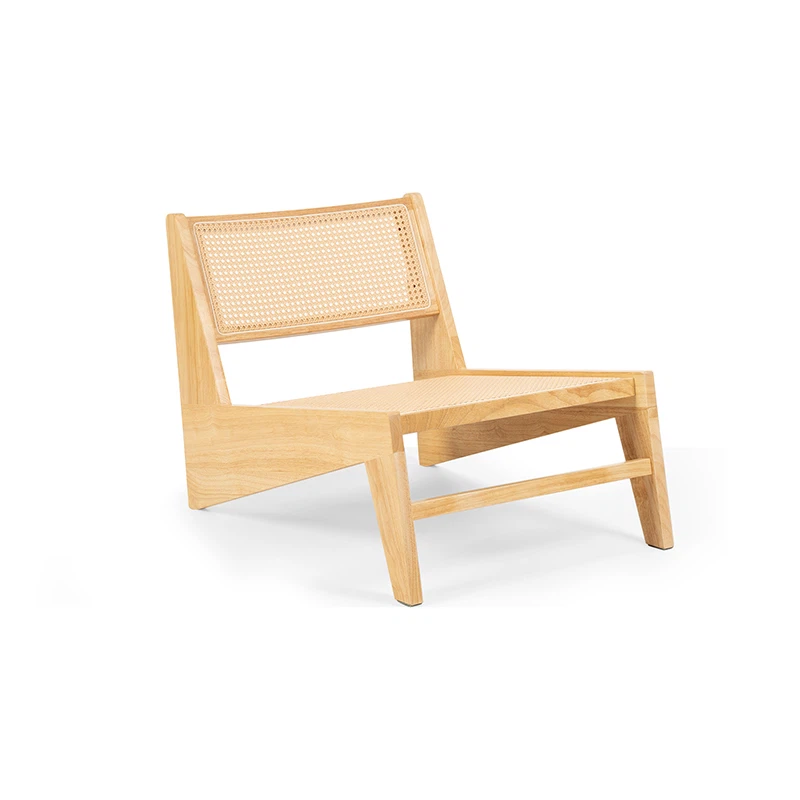
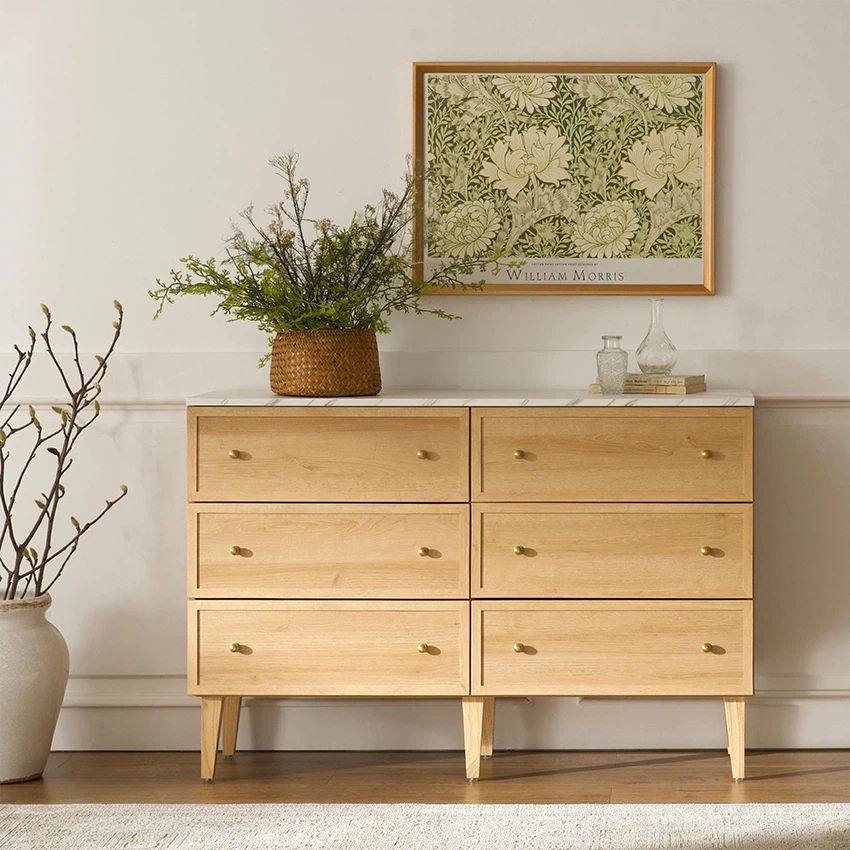

Proper ventilation in the office is crucial for the health and well - being of employees, as well as for maintaining a comfortable and productive work environment. As an office furniture supplier, I understand that the arrangement of office furniture can significantly impact ventilation. In this blog post, I will share some scientific and practical tips on how to arrange office furniture to improve ventilation.
Understand the Principles of Ventilation
Before discussing furniture arrangement, it is important to understand the basic principles of ventilation. Ventilation is the process of replacing stale air with fresh air. Natural ventilation occurs when air moves in and out of a space through openings such as windows and doors, driven by differences in pressure and temperature. Mechanical ventilation uses fans and ducts to circulate air.
In an office setting, proper ventilation helps to remove pollutants, reduce humidity, and regulate temperature. It can prevent the buildup of carbon dioxide, which can cause drowsiness and reduced cognitive function. Good ventilation also helps to prevent the growth of mold and mildew, which can lead to health problems.
Analyze the Office Space
The first step in arranging office furniture for better ventilation is to analyze the office space. Consider the following factors:
- Location of windows and doors: Identify the sources of natural ventilation. Windows and doors are the primary openings through which fresh air can enter and stale air can exit.
- Airflow patterns: Observe the natural airflow patterns in the office. For example, air may flow from a window towards a door or vice versa. Try to align the furniture arrangement with these existing airflow patterns.
- Obstructions: Look for any large obstructions that may block the airflow, such as tall cabinets or partitions. These obstructions can disrupt the natural flow of air and reduce ventilation efficiency.
Arrange Desks and Workstations
Desks and workstations are the central elements of an office. Proper arrangement of these furniture items can enhance ventilation.
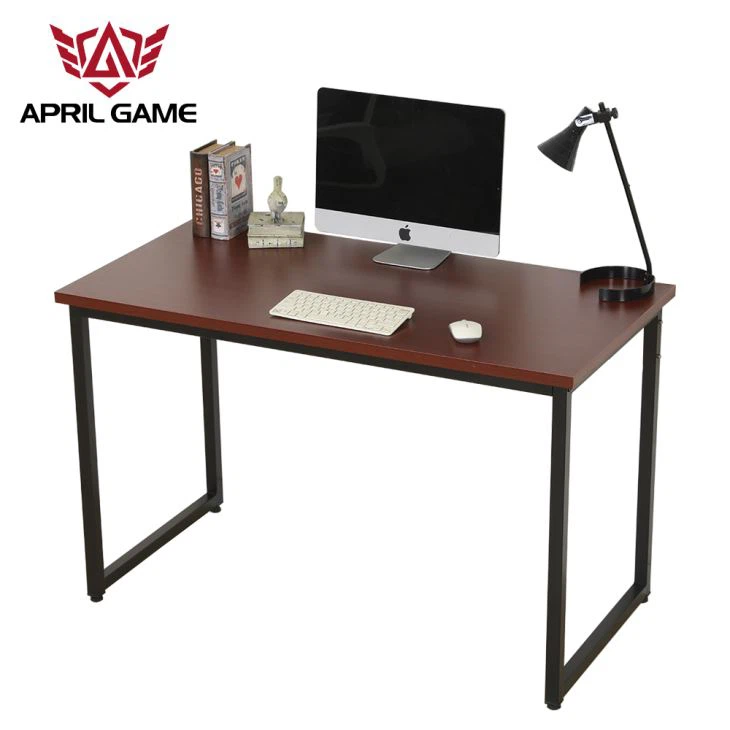
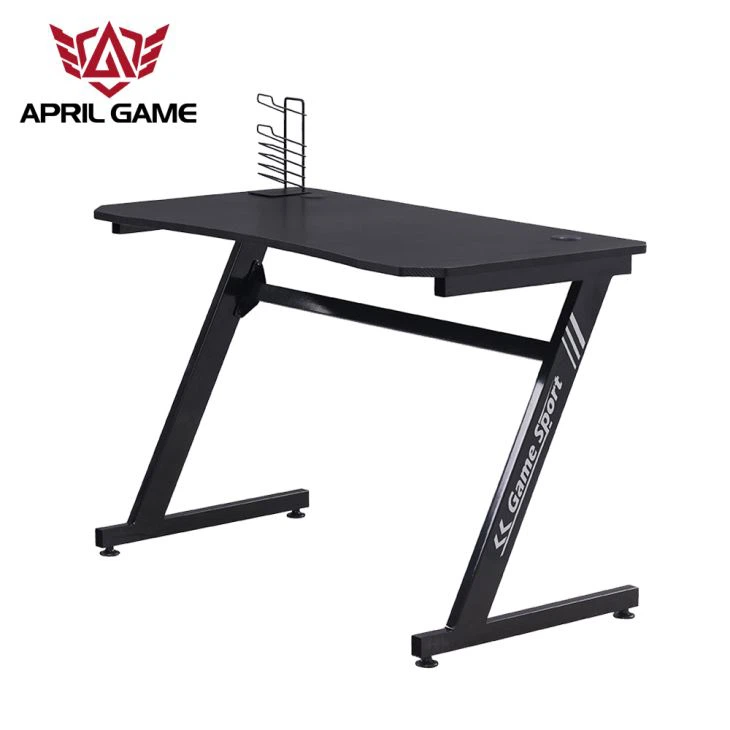
- Keep desks away from corners: Corners tend to trap air and create stagnant areas. Place desks in the middle of the room or along the walls, but avoid positioning them in the corners. This allows air to circulate freely around the desks.
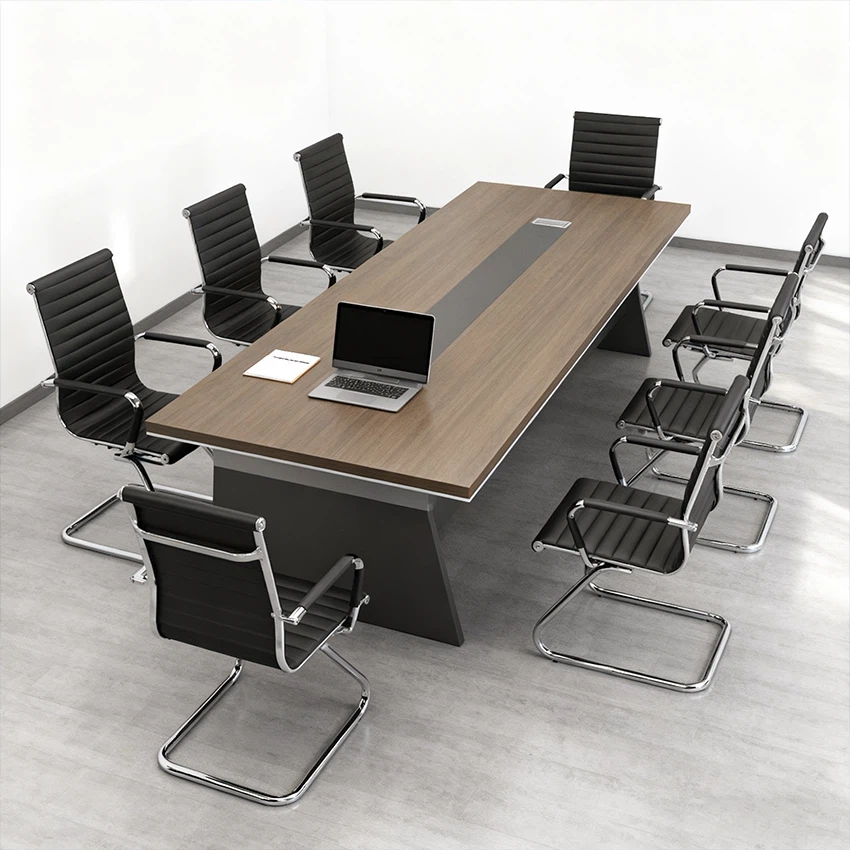
- Create aisles: Ensure that there are clear aisles between desks and workstations. Aisles act as channels for air to flow through the office. A minimum aisle width of 3 feet is recommended to allow for proper air circulation.
- Use adjustable desks: Consider providing adjustable desks that can be raised or lowered. This allows employees to adjust their working height, which can also affect their comfort and the airflow around their work area. For example, raising the desk can create more space under it for air to pass through.
Select the Right Chairs
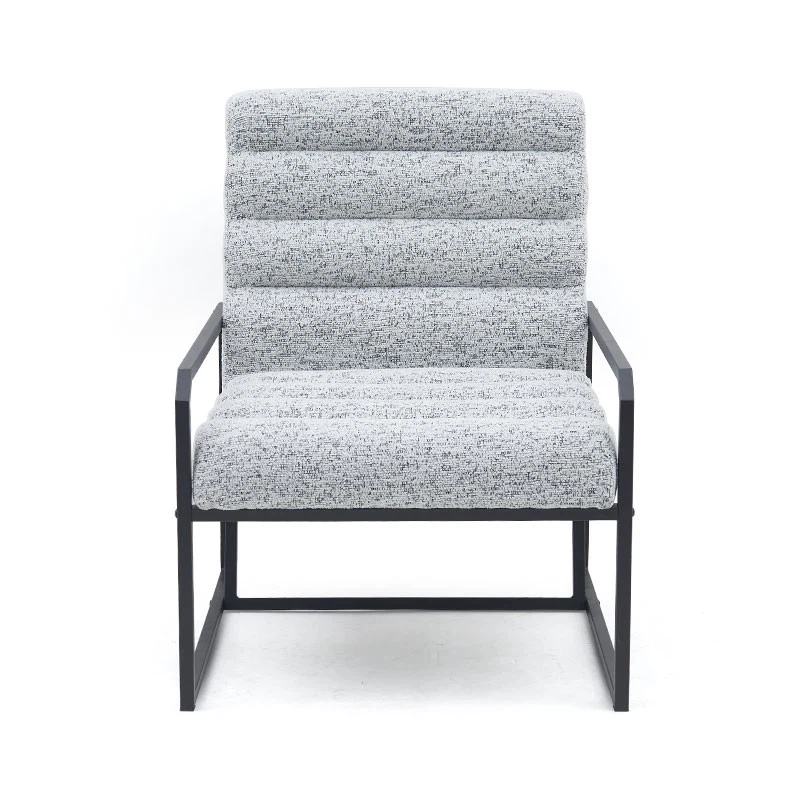
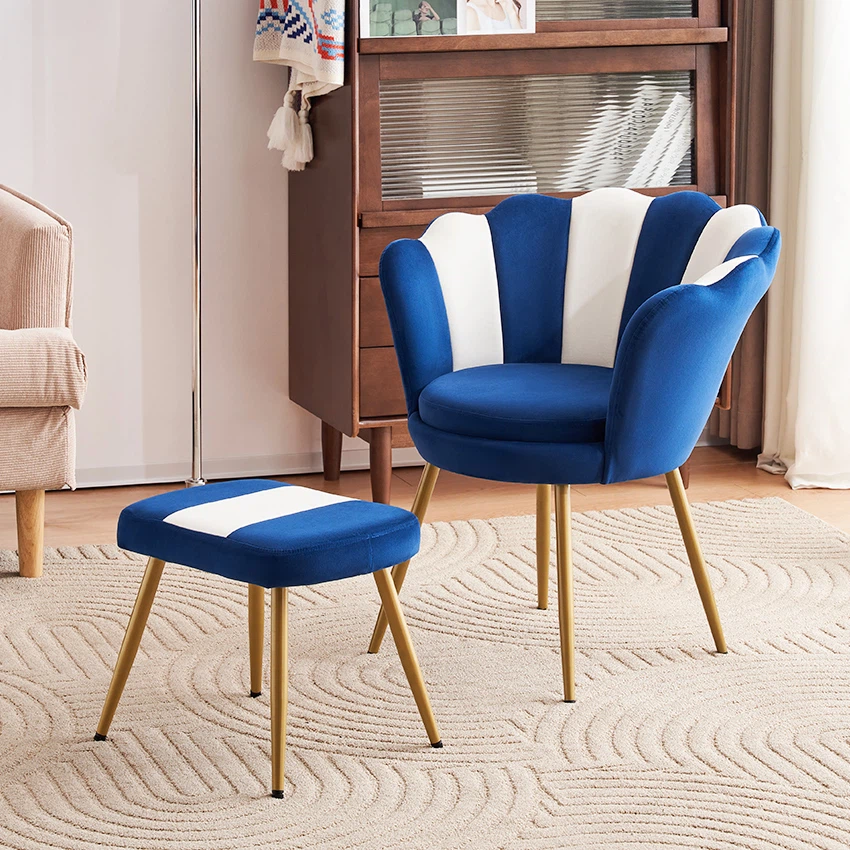
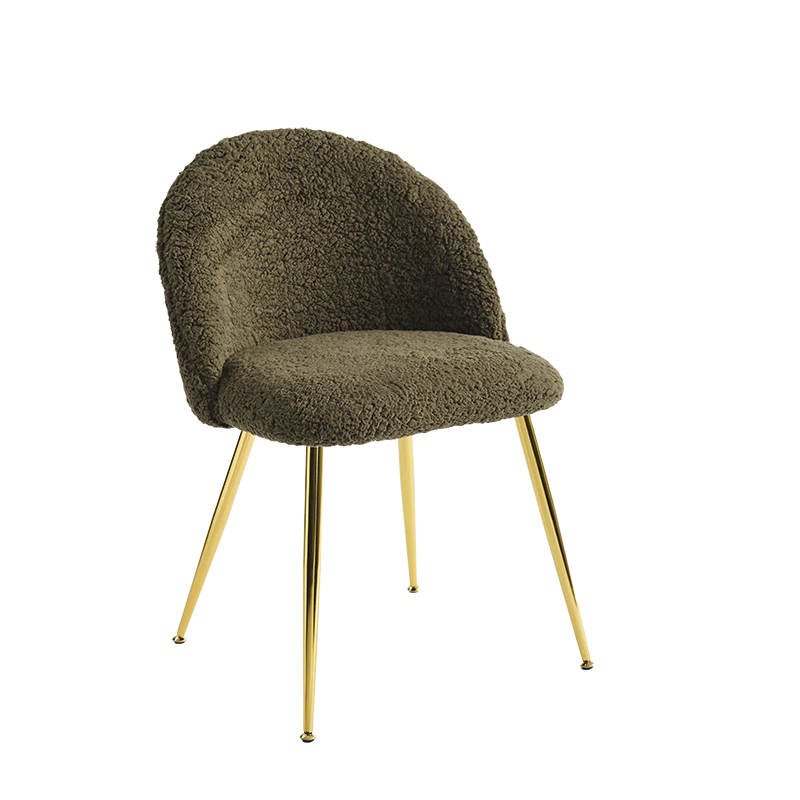
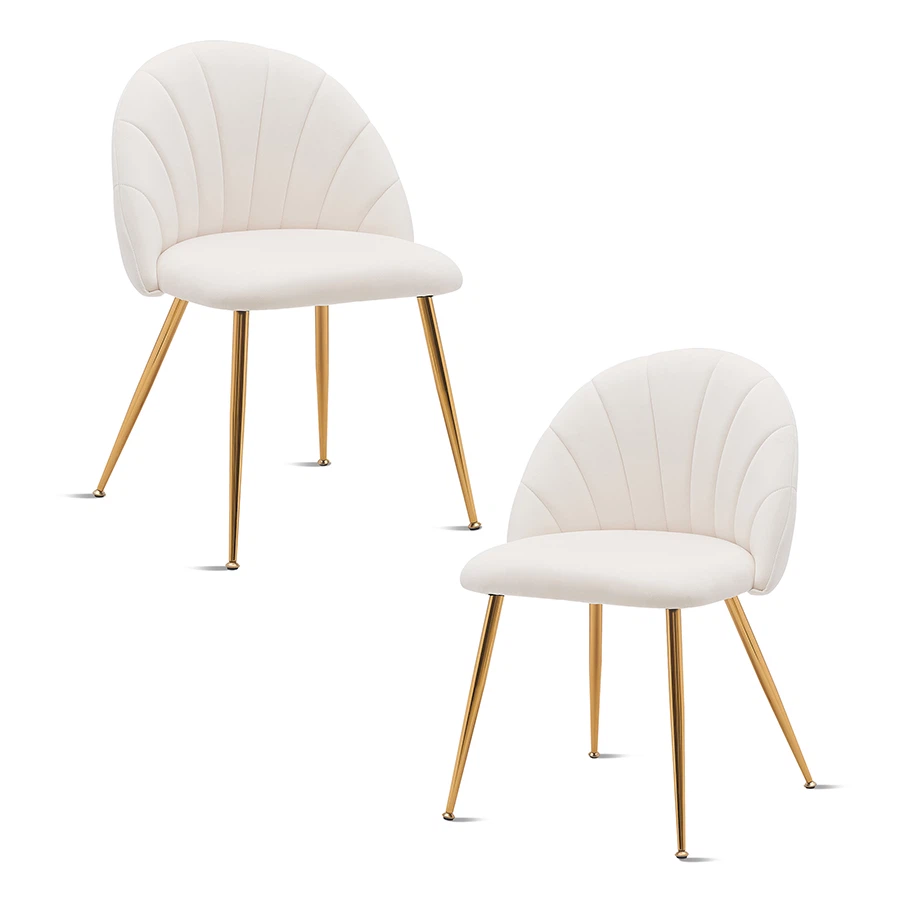
Chairs are another important part of the office furniture. The right type of chair can contribute to better ventilation.
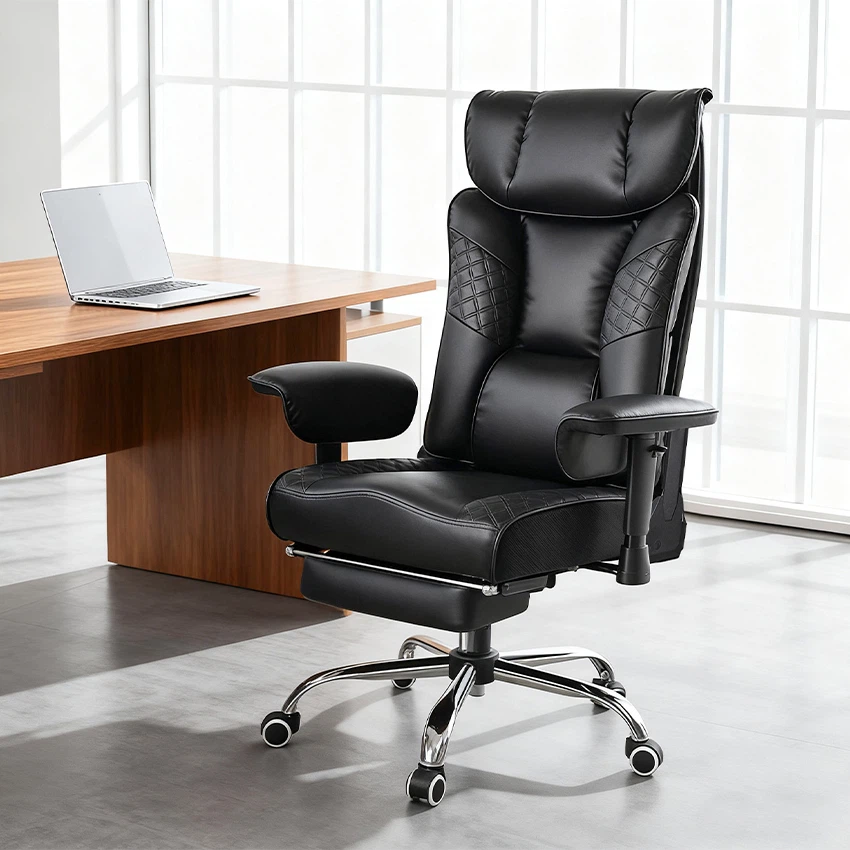
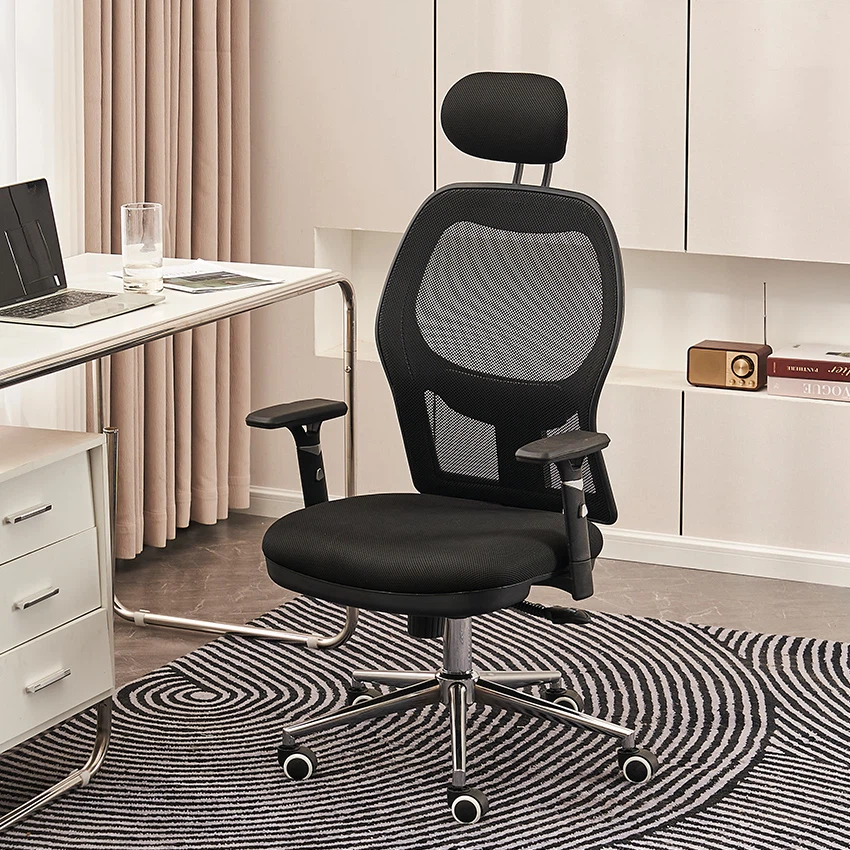
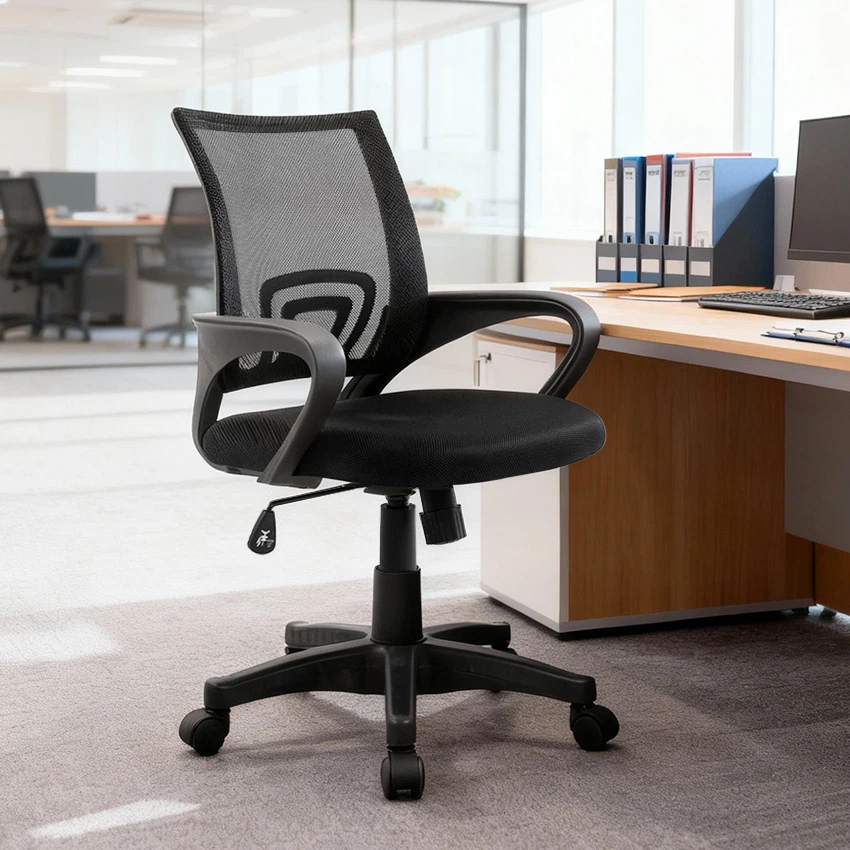
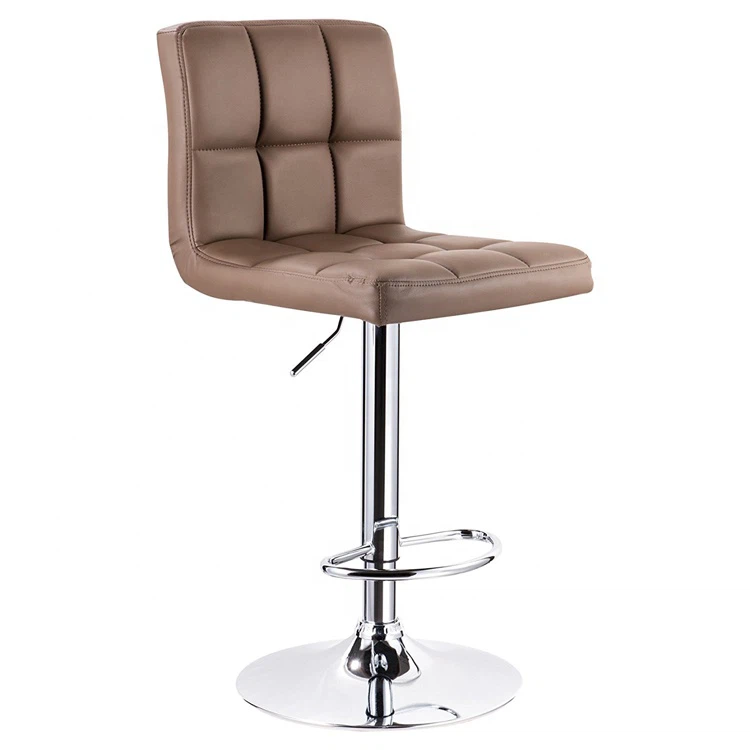
- Open - design chairs: Choose chairs with an open design that allows air to flow through. For example, mesh chairs are a great option as they provide good breathability. The Y - 2891 modern leather lifting swivel executive chair/ commercial chair features a unique design that not only offers comfort but also allows for some air circulation around the body.
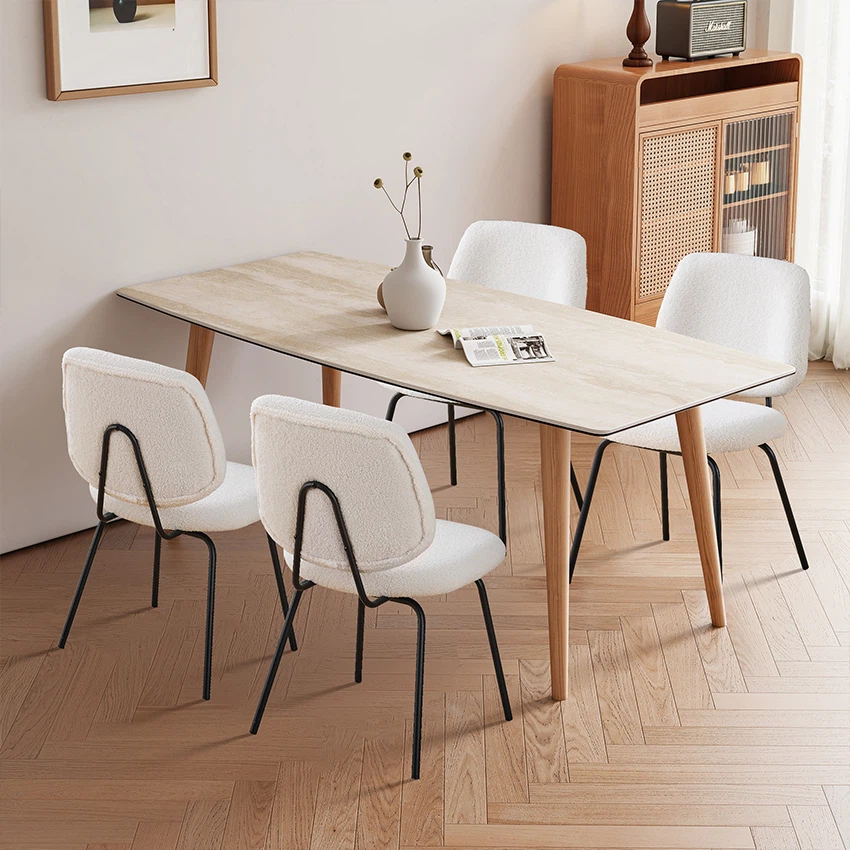
- Proper chair spacing: Ensure that there is enough space between chairs. Overcrowding chairs can restrict air movement. Each chair should have at least 2 - 3 feet of space around it to allow for proper ventilation.
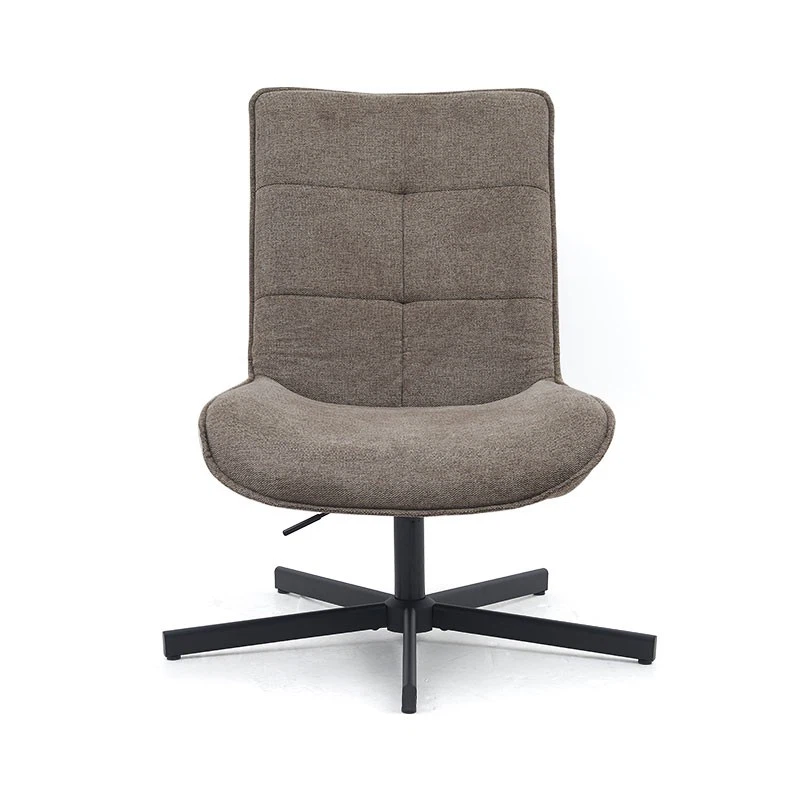
- Avoid bulky chairs: Bulky chairs with a lot of padding and solid frames can block the airflow. Opt for chairs with a more streamlined design. The Y - 2863 high quality PU computer office chair/anji chair is a lightweight and well - designed chair that can help maintain good airflow in the office.
Manage Storage Furniture
Storage furniture such as cabinets and shelves can have a significant impact on ventilation.
- Keep cabinets away from air intakes: Air intakes are the points where fresh air enters the office. Avoid placing large cabinets or shelves in front of air intakes, as this can block the airflow.
- Use open - shelving: Open - shelving allows air to move more freely compared to closed - cabinet storage. If possible, use a combination of open - shelving and cabinets to store office supplies. This helps to maintain good ventilation while still providing sufficient storage space.
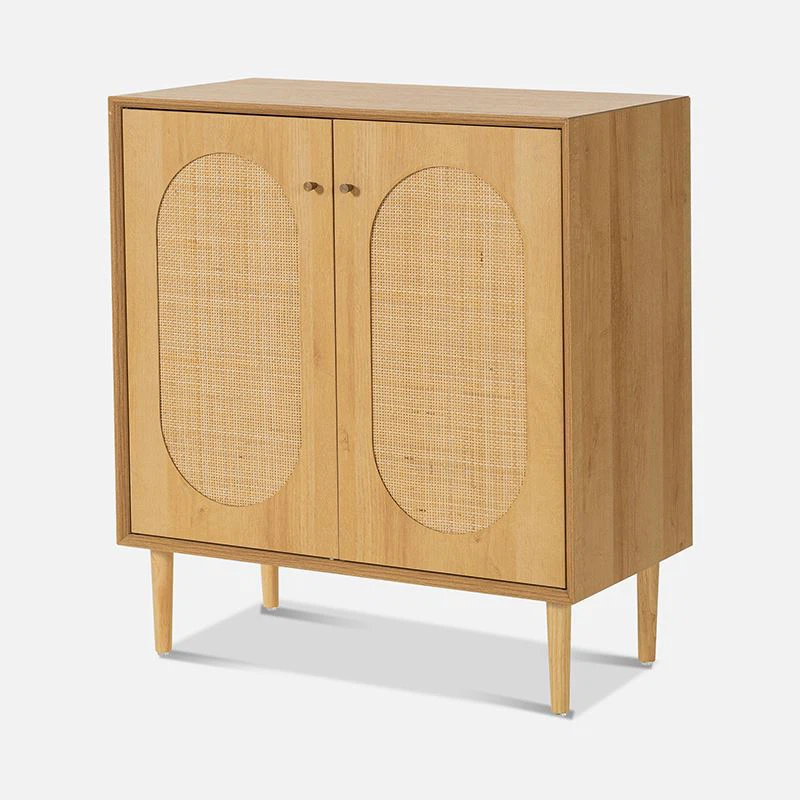
- Optimize cabinet placement: Place cabinets along the walls rather than in the middle of the room. This allows air to circulate around the cabinets more easily.
Consider Partitions and Dividers
Partitions and dividers are often used to create private work areas in an open - plan office. However, they can also affect ventilation.
- Choose breathable partitions: Select partitions made of breathable materials such as mesh or perforated panels. These materials allow air to pass through while still providing some privacy.
- Leave gaps at the top and bottom: When installing partitions, leave a small gap at the top and bottom. This allows air to flow over and under the partitions, preventing the formation of stagnant air pockets.
- Limit the use of full - height partitions: Full - height partitions can block the airflow and create separate zones with poor ventilation. Use partial partitions or low - height dividers whenever possible.
Incorporate Greenery
Plants are not only aesthetically pleasing but also beneficial for ventilation.
- Air - purifying plants: Certain plants, such as peace lilies, spider plants, and aloe vera, are known for their air - purifying properties. They can help to remove pollutants from the air and improve the overall air quality in the office.
- Placement of plants: Place plants strategically around the office to enhance ventilation. For example, place them near windows or in areas where air circulation is poor. The presence of plants can also help to create a more pleasant and comfortable work environment.
Regular Maintenance and Monitoring
Once you have arranged the office furniture for better ventilation, it is important to maintain and monitor the ventilation system.
- Clean air filters: If your office has a mechanical ventilation system, regularly clean or replace the air filters. Dirty filters can reduce the efficiency of the ventilation system and affect the air quality.
- Inspect windows and doors: Check the windows and doors regularly to ensure that they are functioning properly. Leaky windows and doors can lead to air leakage and reduce the effectiveness of ventilation.
- Monitor air quality: Use air quality monitors to measure the levels of pollutants, carbon dioxide, and humidity in the office. This can help you identify any ventilation problems and take appropriate measures to address them.
Conclusion
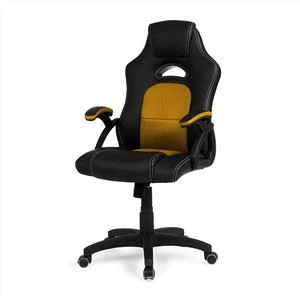
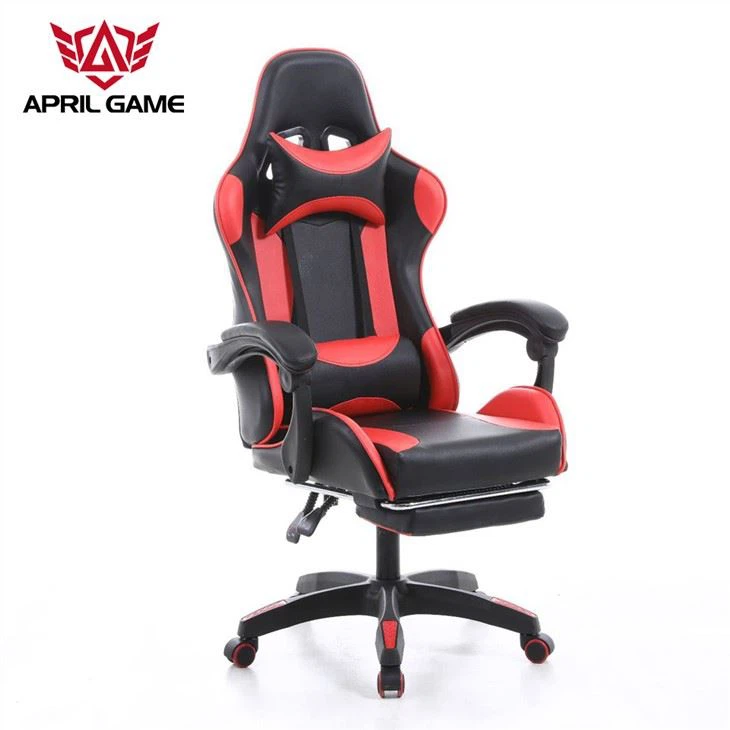
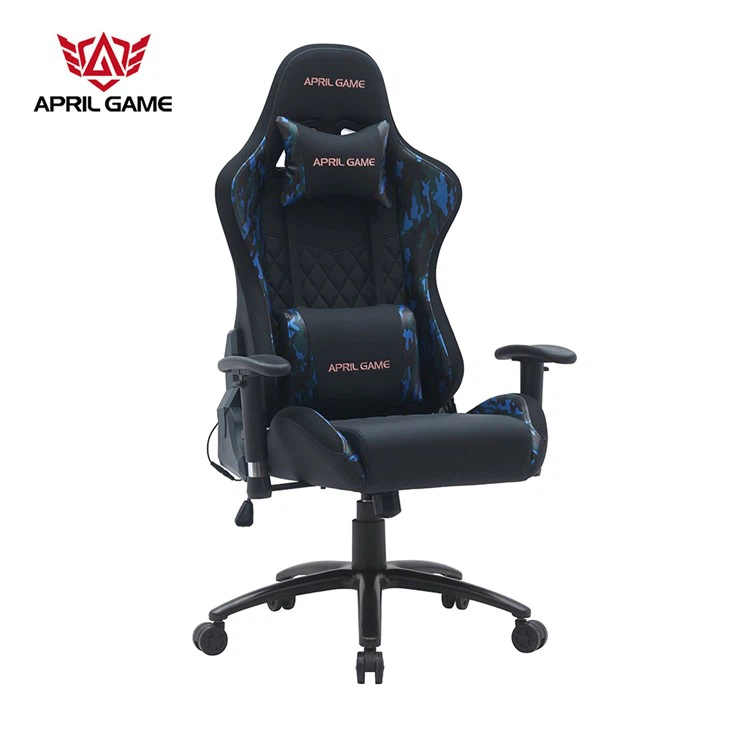
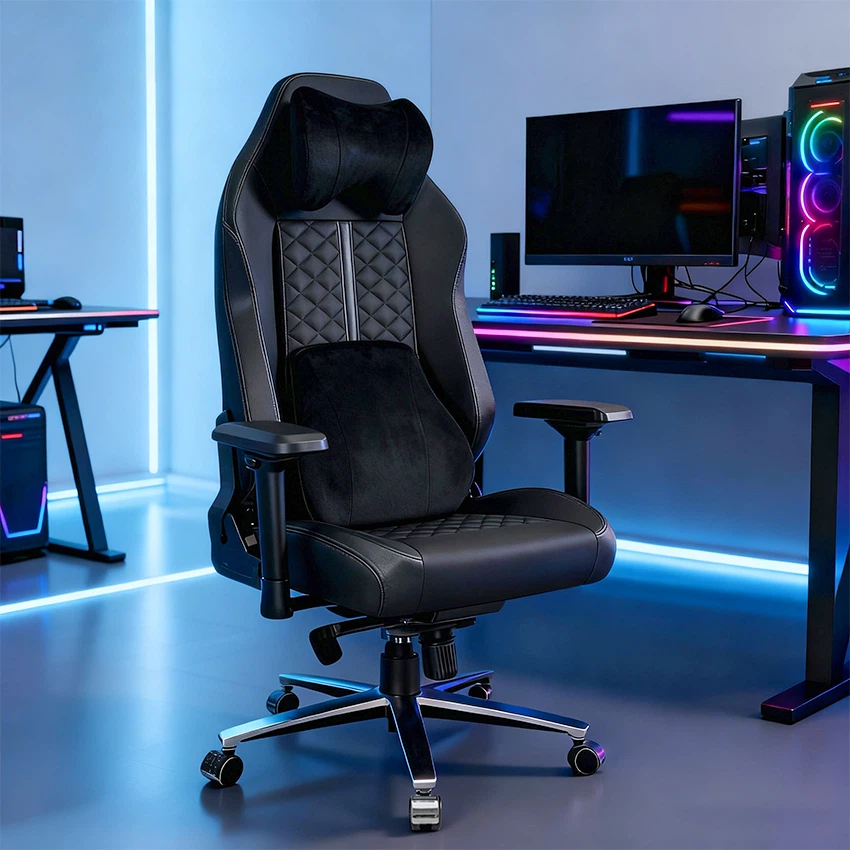
Arranging office furniture to improve ventilation is a science that requires careful consideration of the office space, furniture types, and airflow patterns. As an office furniture supplier, I can provide you with the right furniture solutions that are not only functional and comfortable but also contribute to better ventilation. Whether you need desks, chairs, storage furniture, or partitions, I have a wide range of products to meet your needs. The Gaming Chair Racing Silla E - sport PC Game Custom Gamer Wheel Seat Y - 2665 is also a great option for those seeking a comfortable and well - ventilated seating solution.
If you are interested in upgrading your office furniture to improve ventilation, please feel free to contact me for a consultation. I look forward to working with you to create a healthier and more productive office environment.


References
- Coday, B., & Brager, G. S. (2003). Occupant - controlled natural ventilation: A review of research and an agenda for future study. Energy and Buildings, 35(3), 231 - 239.
- Fisk, W. J., & Rosenfeld, A. H. (1997). Estimated benefits of improved ventilation. Indoor Air, 7(3), 199 - 209.
- Seppänen, O., Fisk, W. J., & Lei, Q. (2004). Association of ventilation rate and CO2 concentration with health and other effects in commercial and institutional buildings: A critical review. Indoor Air, 14(Suppl. 7), 111 - 122.