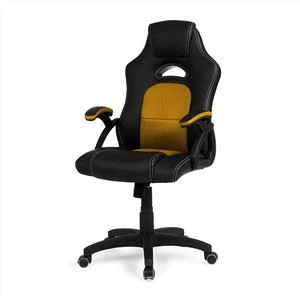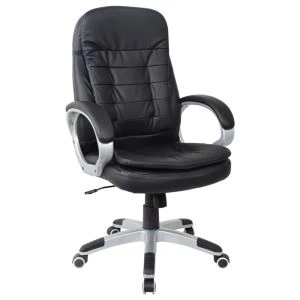
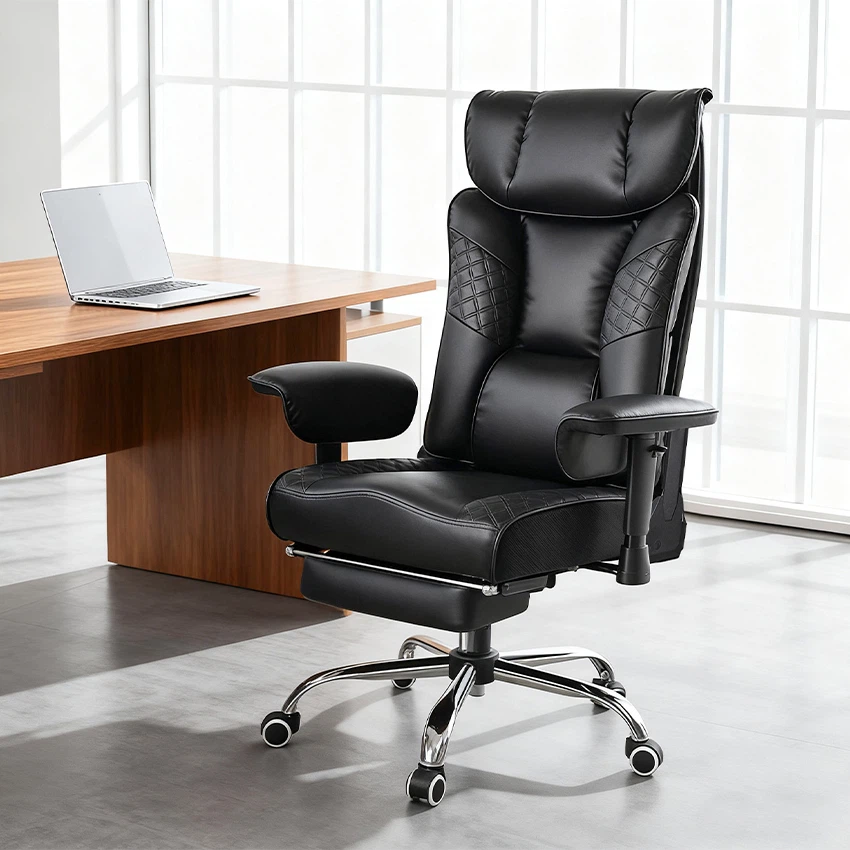



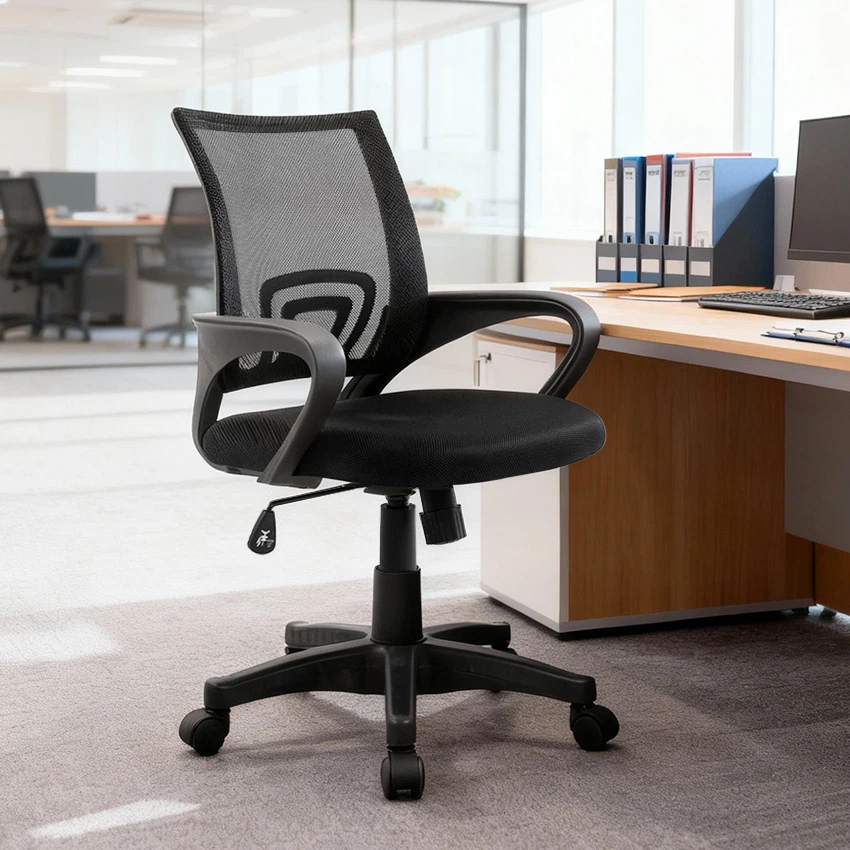

























Conferences are complex events that require meticulous planning and seamless execution. As a Conference Chair supplier, I've witnessed firsthand the importance of being prepared for unexpected emergencies. In this blog post, I'll share insights on how a Conference Chair can handle emergency situations during a conference, drawing on my experience in providing high - quality chairs such as the Y-2778 High-end middle back swivel leather executive chair, Y-2777C High-end brown middle back meeting chairs with armrests, and Y-2736 Popular Comfortable China Durable Office Chair With Reasonable Price.
Pre - Conference Preparedness
The foundation of dealing with emergencies at a conference lies in pre - conference preparedness. A Conference Chair should start by conducting a comprehensive risk assessment of the venue. This includes identifying potential hazards such as fire exits, the location of first - aid kits, and any structural weaknesses in the building. The Chair should also collaborate closely with the venue management to understand their emergency response plans and ensure that they are up - to - date.
In addition to venue assessment, the Conference Chair should assemble an emergency response team. This team should consist of trained individuals who can assist in various emergency scenarios. For example, medical professionals can provide first aid, security personnel can manage crowd control, and technical experts can handle equipment failures. All members of the team should be aware of their roles and responsibilities and have a clear communication plan in place.
Another crucial aspect of pre - conference preparation is communication. The Conference Chair should inform all participants, including speakers, attendees, and exhibitors, about the emergency procedures. This can be done through pre - conference emails, on - site signage, and announcements at the beginning of the conference. By ensuring that everyone is aware of what to do in case of an emergency, the Chair can minimize panic and confusion.
Handling Medical Emergencies
Medical emergencies are one of the most common types of emergencies that can occur during a conference. A Conference Chair should be prepared to handle situations such as heart attacks, fainting spells, or allergic reactions. The first step is to have a well - stocked first - aid kit readily available at the venue. The kit should include basic medical supplies such as bandages, antiseptics, and medications for common ailments.
In case of a serious medical emergency, the Conference Chair should immediately call for professional medical assistance. While waiting for the medical team to arrive, the Chair or a trained member of the emergency response team should provide basic first aid. This may involve performing CPR, applying pressure to a wound, or helping the patient to a comfortable position.
It's also important to keep the other conference participants informed about the situation. The Chair can make an announcement asking for calm and directing people away from the affected area to avoid congestion and ensure the safety of everyone. After the medical emergency is resolved, the Chair should follow up with the patient and their family to offer support and assistance.
Dealing with Technical Failures
Technical failures can disrupt the flow of a conference and cause frustration among participants. As a Conference Chair, it's essential to have contingency plans in place for common technical issues such as audio - visual problems, internet outages, or equipment malfunctions.
For audio - visual problems, the Chair should have a backup system available. This could include spare projectors, microphones, and speakers. Before the conference starts, the technical team should conduct thorough tests to ensure that all equipment is in working order. In case of a failure during a presentation, the Chair should quickly switch to the backup system to minimize downtime.
Internet outages can be particularly challenging, especially in today's digital age where many conferences rely on online platforms for presentations and communication. The Chair should work with the venue to have a redundant internet connection, such as a backup Wi - Fi network or a cellular data connection. If an outage occurs, the Chair can inform the participants and suggest alternative ways to continue the conference, such as using offline materials or rescheduling online sessions.
When dealing with equipment malfunctions, the Chair should have a team of technicians on standby. They can quickly diagnose and repair the problem or provide replacement equipment. The Chair should also communicate with the affected speakers or exhibitors to apologize for the inconvenience and ensure that they can continue with their activities as soon as possible.
Managing Fire and Safety Emergencies
Fire and safety emergencies are among the most serious situations that can occur during a conference. The Conference Chair should be familiar with the venue's fire safety procedures, including the location of fire exits, fire alarms, and fire extinguishers.
In case of a fire alarm, the Chair should immediately stop the conference proceedings and direct all participants to evacuate the building in an orderly manner. The Chair should use the pre - established evacuation routes and ensure that everyone is aware of them. The emergency response team should assist in guiding the participants to safety, especially those with disabilities or special needs.
Once outside the building, the Chair should conduct a headcount to ensure that all participants are accounted for. The Chair should also work with the fire department and other emergency responders to provide them with any necessary information about the venue and the conference. After the fire safety situation is resolved, the Chair should assess the damage and determine whether the conference can resume at the same venue or if it needs to be relocated.
Handling Security Emergencies
Security emergencies, such as theft, physical altercations, or terrorist threats, can pose a significant risk to the safety and well - being of conference participants. The Conference Chair should work closely with the venue's security team to implement appropriate security measures.
Before the conference, the security team should conduct screening procedures at the entrances, such as checking bags and IDs. During the conference, security personnel should be present throughout the venue to monitor the situation and respond to any security incidents. The Chair should also have a communication system in place to quickly alert the security team in case of an emergency.
In case of a security incident, the Chair should prioritize the safety of the participants. The Chair can make an announcement asking everyone to remain calm and follow the instructions of the security team. The Chair should also cooperate with the security team and law enforcement agencies to provide them with any relevant information and assistance.
Post - Emergency Actions
After an emergency situation is resolved, the Conference Chair should take several post - emergency actions. First, the Chair should conduct a debriefing session with the emergency response team. This session should review what went well during the emergency response and identify areas for improvement. The Chair can use this feedback to update the emergency response plan for future conferences.
The Chair should also communicate with all conference participants to provide them with information about what happened and the steps that have been taken to ensure their safety. This communication can be done through emails, on - site announcements, or social media.
Finally, the Chair should assess the impact of the emergency on the conference. If necessary, the Chair can make adjustments to the conference schedule or program to ensure that the remaining sessions can be conducted smoothly.


Conclusion
Handling emergency situations during a conference is a challenging but essential task for a Conference Chair. By being well - prepared, having contingency plans in place, and reacting quickly and effectively, a Chair can minimize the impact of emergencies on the conference and ensure the safety and well - being of all participants.
As a Conference Chair supplier, I understand the importance of providing high - quality chairs that can contribute to a comfortable and safe conference environment. Our Y-2778 High-end middle back swivel leather executive chair, Y-2777C High-end brown middle back meeting chairs with armrests, and Y-2736 Popular Comfortable China Durable Office Chair With Reasonable Price are designed to meet the needs of conferences, ensuring that participants can focus on the event without distractions.
If you're planning a conference and are interested in our high - quality chairs, we invite you to contact us for a detailed discussion about your requirements. We look forward to helping you create a successful and safe conference experience.
References
- Emergency Planning for Conferences. Event Safety Institute.
- Best Practices for Conference Management. International Association of Conference Organizers.